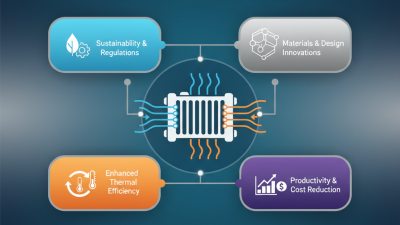
2026 Best Industrial Radiators for Global Buyers Insights?
The "Industrial Radiators" market is evolving rapidly, driven by demands for efficiency and sustainability. A recent market analysis from ResearchAndMarkets predicts that the global industrial radiator market will surpass $2 billion by 2026. This growth highlights a vital shift in industries aiming for lower energy consumption and enhanced cooling solutions.
According to Thomas L. Wright, an industry expert at Thermal Solutions Inc., "The efficiency of industrial radiators directly impacts operational costs." His insights reflect a growing recognition of the role industrial radiators play in modern manufacturing, construction, and various applications. Engineers are continuously challenged to develop products that not only meet cooling requirements but also comply with environmental standards.
As buyers seek reliable products, the need for comprehensive insights becomes crucial. Understanding the latest technologies, materials, and trends in "Industrial Radiators" will empower global buyers to make informed decisions. However, with many options available, market selection can feel overwhelming. Attention to detail and acknowledgment of evolving needs can transform these challenges into opportunities for growth and efficiency.
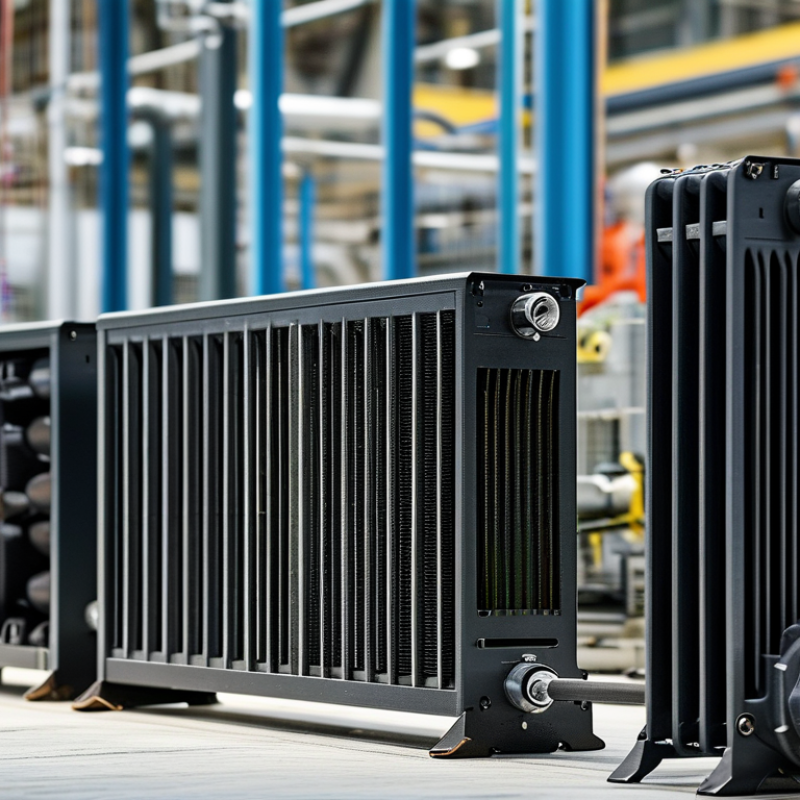
2026 Trends in Industrial Radiators: What Global Buyers Need to Know
In 2026, global buyers of industrial radiators need to understand key trends. The demand for energy-efficient and sustainable solutions is rising. Reports from industry analysts reveal that the market for industrial radiators is projected to grow at a CAGR of 4.8% over the next five years. This growth is attributed to increased industrial production and stricter regulations on energy consumption.
Another important trend is the shift towards advanced materials. Radiators made from lightweight composites are gaining traction due to their durability and thermal efficiency. Data indicates that these materials can improve heat transfer by up to 30%, making them preferable for modern applications. However, the transition to these technologies poses challenges; companies must ensure compatibility with current systems.
**Tip:** When selecting radiators, assess the total cost of ownership rather than just the initial price.
Additionally, automation technology is influencing the radiator sector. Smart sensors and monitoring systems can optimize performance and reduce maintenance costs. Yet, the integration of such technology requires trained personnel and can lead to initial disruption.
**Tip:** Regular training for staff on new technologies can mitigate implementation setbacks.
2026 Trends in Industrial Radiators: Performance Comparison
Key Features to Consider When Selecting Industrial Radiators
When selecting industrial radiators, several key features should be considered. First, the material plays a pivotal role in performance and longevity. Materials like aluminum and copper offer excellent thermal conductivity, while steel is renowned for its durability. According to a recent industry report, units made of copper can enhance efficiency by up to 20% compared to those made of steel.
Size is another critical factor. A radiator needs to be appropriately sized for the intended application. Oversized units can lead to inefficient energy use, while undersized models may not provide adequate heating or cooling. The difference in energy consumption can be significant. An improperly sized radiator can increase operational costs by more than 15%, based on industry analysis.
Additionally, consider the design of the radiator. Features such as fin shapes and spacing can influence heat transfer capabilities. Innovative designs often yield better heat distribution across larger areas. While modern radiators showcase advanced designs, it’s essential to evaluate how these adapt to specific industrial environments. Not every design suits every application, prompting critical assessments from engineers.
Top Manufacturers of Industrial Radiators in 2026
In 2026, the industrial radiator market is evolving rapidly. Key manufacturers are rising to meet diverse needs across industries. These manufacturers focus on innovation and efficiency. They understand the importance of heat management in processes. Companies require reliable solutions to maintain optimal temperatures.
A deep dive into market trends reveals that many top players emphasize sustainability. They invest in eco-friendly materials and optimized designs. This not only reduces environmental impact but also enhances performance. Reliability in harsh conditions remains a critical focus. It's essential for manufacturers to adapt to varying technological demands.
Yet, challenges persist. Some manufacturers struggle with supply chain issues. This can lead to delays in production and increased costs. Another concern is the rapidly changing regulatory landscape. Companies must stay compliant while pushing for innovation. Overall, the landscape is dynamic, and adaptability is key.
Comparative Analysis of Different Types of Industrial Radiators
When considering industrial radiators, various types serve distinct functions. Water-cooled radiators are common. They efficiently dissipate heat and maintain optimal temperatures. Their design typically includes multiple tubes for maximizing heat exchange. However, they can require a significant amount of water and maintenance. Regular inspections are vital to ensure performance and prevent leaks.
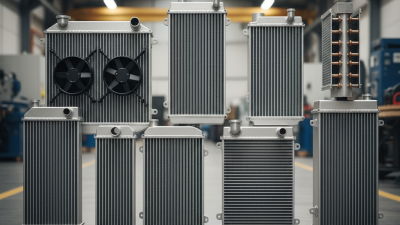
In contrast, air-cooled radiators operate without water. They are more straightforward to maintain, and installation is often simpler. These radiators use fans to circulate air and dissipate heat. However, they may become less effective in high-temperature environments. This limitation can impact their reliability during peak operational periods.
Electric radiators are also prevalent in industrial settings. They provide precise temperature control and can be installed where traditional methods are impractical. Yet, they may lead to higher energy costs over time. While the initial investment can be lower, ongoing expenses require consideration. Each radiator type has advantages and drawbacks, reinforcing the need for careful evaluation based on specific industrial requirements.
Future Innovations in Industrial Radiator Technology for Buyers
The industrial radiator sector is facing rapid advancements. As sustainability becomes a priority, innovations like eco-friendly materials are gaining traction. Research from industry reports indicates that the global market for environmentally-friendly radiators is expected to reach $5 billion by 2026. This shift reflects growing consumer demand for better energy efficiency.
Thermal conductivity is another area seeing breakthroughs. The latest designs incorporate high-performing alloys and improved heat transfer fluids. Studies show that these materials can enhance performance by up to 30%. Moreover, manufacturers are investing in simulation technologies. This allows for more efficient designs tailored to specific applications.
However, challenges exist. The integration of new materials can lead to higher production costs. Some companies may struggle to balance cost and innovation. Additionally, there is a lack of standardization across different regions. Buyers need to be aware of compatibility issues and regulatory requirements. Understanding these factors is crucial for making informed purchasing decisions.