2026 Top Trends in Microchannel Heat Exchanger Technology Explained?
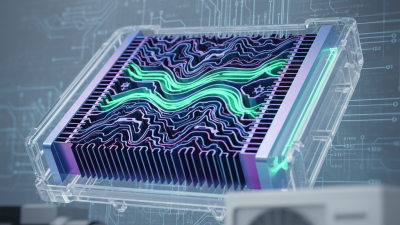
In the realm of thermal management, Microchannel Heat Exchanger technology is making waves. This innovation offers improved energy efficiency for various applications. As industries pursue sustainability, Microchannel Heat Exchangers present a viable option. They are compact, lightweight, and deliver impressive performance.
The trends for 2026 indicate a shift towards higher efficiency and lower costs. Manufacturers are focusing on enhancing the design of Microchannel Heat Exchangers. This leads to greater heat transfer capabilities. However, challenges in scaling production remain. Companies need to address these issues to fully harness the potential.
Understanding the advancements in Microchannel Heat Exchanger technology is crucial. The landscape is evolving rapidly, with new materials and designs emerging. Yet, there are still gaps in widespread adoption. Stakeholders must evaluate the benefits versus investment costs carefully. As we look to the future, these trends will shape the industry’s response to thermal management needs.

2026 Microchannel Heat Exchanger: Key Innovations and Trends
Microchannel heat exchangers are gaining attention in 2026. They offer efficient thermal management solutions. Recent innovations focus on enhancing performance and reducing size. Manufacturers are exploring advanced materials to improve heat transfer rates. Thin-walled structures are being developed. These designs aim to boost overall efficiency in compact spaces.
Another emerging trend is the integration of smart technologies. Sensors and control systems are becoming common in these exchangers. Real-time monitoring allows for optimized performance. This includes adjustments based on thermal loads. However, this integration presents challenges. Ensuring compatibility between traditional designs and new technologies may require additional investments.
Sustainable practices are also on the rise. Focus is shifting toward recycling and reusing materials. The industry is taking steps to minimize waste. Yet, adoption remains uneven across sectors. Some manufacturers still resist change, sticking to older methods. This hesitation can lead to missed opportunities in innovation. Balancing traditional approaches with new technologies is a critical concern for the future of microchannel heat exchangers.
Impact of Energy Efficiency Regulations on Microchannel Designs in 2026
Microchannel heat exchangers (MHEs) are set to transform the HVAC and automotive industries in 2026. Energy efficiency regulations are becoming stricter globally. A report from the International Energy Agency (IEA) indicates that efficient heat exchangers could reduce energy consumption by up to 30% in specific applications. This creates a significant market demand for MHEs.
Microchannel designs allow for increased heat transfer with less refrigerant. They occupy less space, but this is not always a perfect solution. Some manufacturers struggle with complex designs that may affect reliability. According to a study by ASHRAE, optimizing MHEs to meet new regulations can lead to improved energy efficiencies. However, balancing performance and cost is challenging.
The transition to these more efficient systems demands innovation. Engineering teams face the risk of overspecializing designs that might not adapt well to changing regulations. Data shows that energy efficiency improvements could be hindered due to high manufacturing costs. As companies embrace these advances, they must remain vigilant about the practical implications. The path forward lies in understanding that not every design will succeed under new regulations, leading to the need for constant reevaluation.
Emerging Materials in Microchannel Heat Exchanger Technology
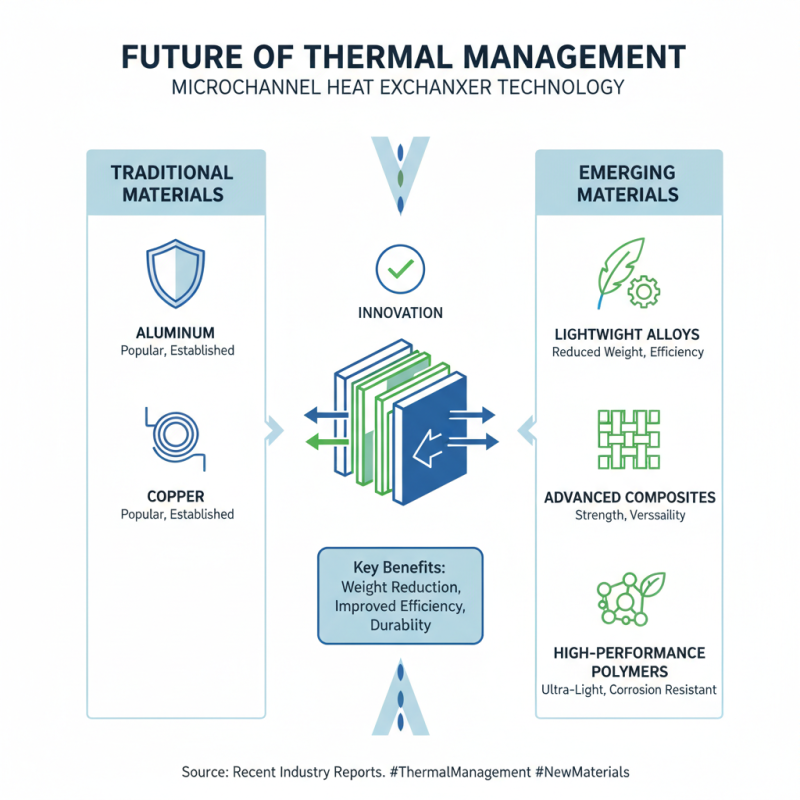
Emerging materials in microchannel heat exchanger technology are shaping the future of thermal management. Recent reports indicate that lightweight alloys and advanced composites are gaining traction. For instance, aluminum and copper remain popular, but new materials are being explored. High-performance polymers are showing promise, offering reduced weight while maintaining efficiency.
Researchers highlight that these new materials can withstand high temperatures and corrosion, critical for various applications. This shift might lead to better heat transfer efficiency and longer service life. In a report from the International Heat Transfer Association, data shows that microchannel designs can improve heat transfer rates by up to 40% compared to traditional methods.
Tips: Consider the benefits of transitioning to advanced materials. They may offer unique advantages in specific environments. However, the costs associated with these materials can be higher. Analyzing the lifecycle cost-effectiveness is essential when making decisions.
While innovations are exciting, challenges remain. Not all emerging materials have been fully tested in real-world scenarios. There’s a learning curve as industries adopt these changes. Moreover, the environmental impact of sourcing and processing new materials must be critically assessed. As the technology evolves, it is crucial to balance innovation with sustainability.
Market Analysis: Growth Projections for Microchannel Heat Exchangers by 2026
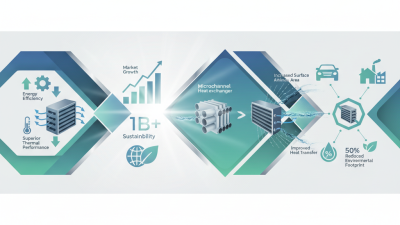
The microchannel heat exchanger market has seen significant growth in recent years, with projections indicating a surge by 2026. Analysts expect a compound annual growth rate (CAGR) of over 10% during this period. This trend results from the rising demand for energy-efficient cooling solutions across various industries. Their compact design allows for higher heat transfer rates while consuming less energy. This is a game-changer.
The automotive and HVAC sectors are leading this growth. Microchannel heat exchangers offer better thermal performance and reduced weight. According to industry reports, the automotive sector alone is expected to hold a substantial share of the market. As electric vehicles become more popular, the need for efficient thermal management systems will increase.
Tip: When considering microchannel heat exchangers, assess your specific heat transfer needs. Understanding your requirements can save costs and improve efficiency. Not every application needs the highest-performing model; sometimes, a simpler design could suffice.
Despite these advantages, some challenges exist. Manufacturing complexities and initial costs can deter potential adopters. It's crucial to weigh these factors against the long-term benefits of energy savings. Many are realizing that the initial investment may lead to lower operational costs and better system performance over time.
2026 Top Trends in Microchannel Heat Exchanger Technology
| Trend |
Description |
Growth Rate (2021-2026) |
Market Size (2026) |
| Increased Efficiency |
Advancements in design and materials are leading to higher operational efficiency in microchannel heat exchangers. |
8.5% |
$4.5 Billion |
| Comprehensive Integration |
Integration with digital technologies like IoT for real-time monitoring and optimization. |
7.8% |
$3.8 Billion |
| Sustainability Initiatives |
Growing focus on environmentally friendly materials and processes in manufacturing. |
9.2% |
$5.1 Billion |
| Application Expansion |
Wider adoption in sectors such as automotive, HVAC, and electronics cooling. |
8.0% |
$4.0 Billion |
| Modular Designs |
Increasing use of modular designs to enhance flexibility and scalability. |
7.5% |
$2.9 Billion |
Applications of Microchannel Heat Exchangers in Automotive and HVAC Industries
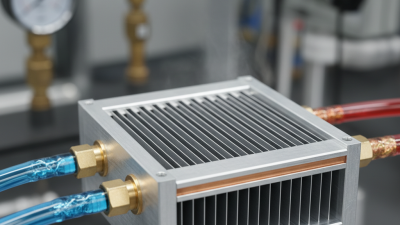
Microchannel heat exchangers are transforming the automotive and HVAC industries. These compact devices feature narrow channels that promote efficient heat transfer, making them ideal for various applications. In automotive systems, they enhance engine cooling and efficiency. Their small size allows for lightweight designs, contributing to improved fuel economy.
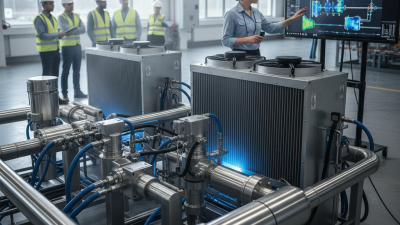
In HVAC applications, microchannel heat exchangers improve cooling performance in air conditioning systems. They occupy less space while delivering effective thermal management. However, their manufacturing can be challenging. Ensuring consistent channel sizes is crucial for optimal performance, yet this can be difficult to achieve. This raises questions about reliability and long-term durability.
While these exchangers offer many benefits, they are not without drawbacks. The complexity of their design may lead to higher production costs. Maintenance can also be tricky, particularly in tight spaces. Exploring these factors is essential as industries adopt microchannel technology more broadly. Understanding both the potential and limitations is key to utilizing these advanced systems effectively.