7 Tips to Calculate Heat Exchanger Cost
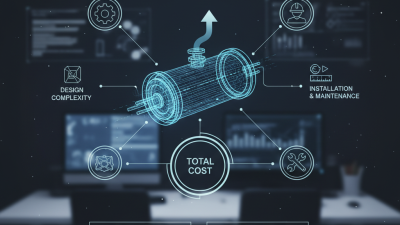
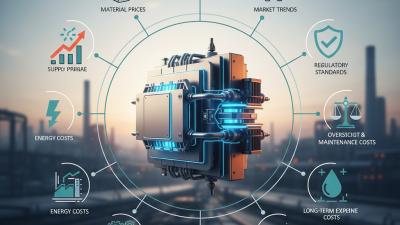
Estimating Heat Exchanger Cost is rarely a simple multiplication of size and material price. A practical estimate must connect thermal duty, operating pressure, metallurgy, fabrication, inspection, transport, installation, and future maintenance. Even a small change in flow rate can alter surface area, nozzle size, pump demand, and the final quotation.
Sadik Kakaç, a respected heat-transfer authority, stated, “The design of heat exchangers is a compromise between heat transfer and pressure drop.” That compromise also shapes cost. A compact exchanger may reduce steel usage, yet its tighter passages can increase fouling risk or cleaning difficulty. A cheaper carbon-steel shell may fail quickly in a corrosive service. Numbers alone do not reveal that risk.
This guide presents seven practical tips for calculating Heat Exchanger Cost with greater confidence. It examines process requirements, material selection, exchanger configuration, pressure ratings, fabrication complexity, installation expenses, and lifecycle value. Vendor quotations should be compared carefully. Check what each price includes.
Be specific.
A reliable estimate records assumptions such as inlet temperatures, allowable pressure drop, design codes, tube material, and contingency percentage. It also separates equipment cost from engineering, commissioning, insulation, taxes, and spare parts. Early estimates will never be perfect. Site conditions, delivery schedules, and inflation can still disturb the budget. That weakness deserves attention, not concealment. By testing several scenarios and reviewing the estimate with experienced thermal and mechanical engineers, project teams can create a more defensible budget and avoid costly surprises after purchase.
Define the Project Scope and Heat Exchanger Requirements
7 Tips to Calculate Heat Exchanger Cost
Define the Project Scope and Heat Exchanger Requirements
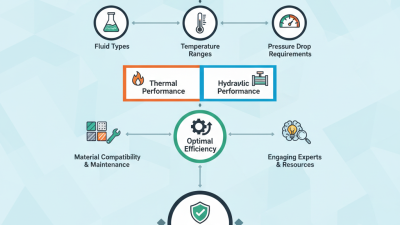
A credible heat exchanger estimate starts with defined process conditions. Record fluid names, flow rates, inlet and outlet temperatures, operating pressure, design pressure, and allowable pressure drop. Include startup, shutdown, and upset cases. One overlooked cleaning cycle can distort the estimate.
Industry energy demand makes this discipline important. The International Energy Agency’s Energy Efficiency 2023 report states that industry consumes about 37% of global final energy. The U.S. Department of Energy’s Industrial Decarbonization Roadmap reports that industry produces 24% of direct U.S. greenhouse gas emissions. Efficient thermal design affects both capital cost and long-term operating expense.
Specify the exchanger duty, heat-transfer coefficient assumptions, fouling resistance, materials, corrosion allowance, and inspection requirements. State whether the unit needs removable bundles, spare capacity, special welding, or hazardous-area compliance. These details change fabrication hours and testing costs. A 10% design margin may protect production, but it also increases surface area and weight. That trade-off needs evidence.
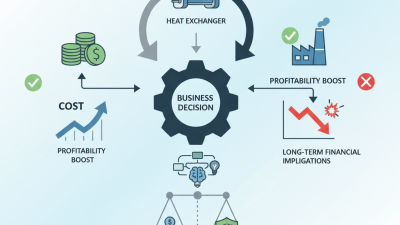
Ask suppliers to price the same boundary. Include insulation, supports, valves, instruments, freight, installation, commissioning, and recommended spares. Separate equipment cost from total installed cost. Otherwise, the estimate looks precise but remains incomplete. I have seen projects miss platform steel and lifting access. That is not a minor error. Review every assumption with process, mechanical, maintenance, and procurement engineers before freezing the budget.
Calculate Thermal Duty and Required Heat Transfer Area
To estimate heat exchanger cost, calculate thermal duty before reviewing equipment prices. Thermal duty is the heat the exchanger must remove or add. Use Q = m × Cp × ΔT for single-phase fluids. Here, Q represents heat duty, m is mass flow, Cp is specific heat, and ΔT is the temperature change. Keep units consistent. A small unit error can distort the estimate badly.
Phase change requires latent heat, not only sensible heat. Add both values when condensation or evaporation occurs. I usually check the calculation against process measurements, flow meters, and realistic outlet temperatures. Do not trust one spreadsheet result blindly. Process data can be incomplete. That matters.
Estimate heat transfer area with A = Q ÷ (U × LMTD × F). The overall heat transfer coefficient, U, depends on fluids, materials, flow pattern, and fouling. LMTD means logarithmic mean temperature difference. Use a correction factor when the exchanger arrangement is not true countercurrent flow. A larger area may reduce operating risk, but it also increases purchase, installation, and maintenance costs. Consider pressure drop as well. An exchanger that meets duty but restricts flow may create a hidden pump cost.
For a more reliable budget, state the design temperatures, flow rates, fouling allowance, materials, and allowable pressure drop. Include cleaning access and future capacity needs. A 10% design margin may be reasonable, but it should reflect measured uncertainty, not habit. Verify the final area with a thermal engineer before requesting quotations.
7 Tips to Calculate Heat Exchanger Cost - Calculate Thermal Duty and Required Heat Transfer Area
Illustrative preliminary sizing comparison using counter-current flow, clean surfaces, metric units, and indicative 2026 budgetary costs in USD.
| Tip |
Process Service |
Key Design Data |
Thermal Duty
(kW) |
Approx. LMTD
(°C) |
Design U-Value
(W/m²·K) |
Required Area
(m²) |
Indicative Equipment Cost
(USD) |
Installation Factor |
Indicative Installed Cost
(USD) |
| 1 |
Water-to-water heating |
Hot: 12 kg/s, 20→35°C
Cold: 15 kg/s, 15→27°C |
754 |
6.45 |
800 |
146 |
$80,300 |
1.70 |
$136,510 |
| 2 |
Thermal oil cooling |
Oil: 5 kg/s, 140→90°C
Water: 15.7 kg/s, 20→28°C |
525 |
91.90 |
150 |
38.1 |
$34,290 |
1.80 |
$61,722 |
| 3 |
Condensing steam heating |
Steam: 0.30 kg/s at 120°C
Water: 16.2 kg/s, 20→30°C |
677 |
94.90 |
1,200 |
5.9 |
$7,080 |
1.90 |
$13,452 |
| 4 |
Air-to-water cooling |
Air: 8 kg/s, 60→25°C
Water: 6.7 kg/s, 20→30°C |
281 |
13.99 |
55 |
365 |
$91,250 |
1.60 |
$146,000 |
| 5 |
Glycol solution cooling |
Glycol: 8 kg/s, 80→50°C
Water: 25.8 kg/s, 20→28°C |
864 |
40.30 |
350 |
61.2 |
$42,840 |
1.75 |
$74,970 |
| 6 |
Process water-to-chilled water |
Process water: 10 kg/s, 40→25°C
Chilled water: 15 kg/s, 7→17°C |
627 |
20.40 |
500 |
61.5 |
$30,750 |
1.65 |
$50,738 |
| 7 |
Exhaust gas heat recovery |
Gas: 10 kg/s, 300→180°C
Water: 31.6 kg/s, 25→35°C |
1,320 |
205.40 |
45 |
143 |
$64,350 |
1.80 |
$115,830 |
|
Calculation basis:
Q = m × Cp × ΔT; A = Q ÷ (U × LMTD). Equipment cost is a screening estimate based on calculated heat-transfer area, typical material and configuration allowances, and does not represent a supplier quotation.
|
Important cost factors to verify:
fluid properties, fouling resistance, allowable pressure drop, operating pressure and temperature, materials of construction, number of passes, mechanical design code, corrosion allowance, access requirements, insulation, controls, freight, commissioning, and local installation conditions.
Choose Materials, Design Standards, and Construction Features
7 Tips to Calculate Heat Exchanger Cost
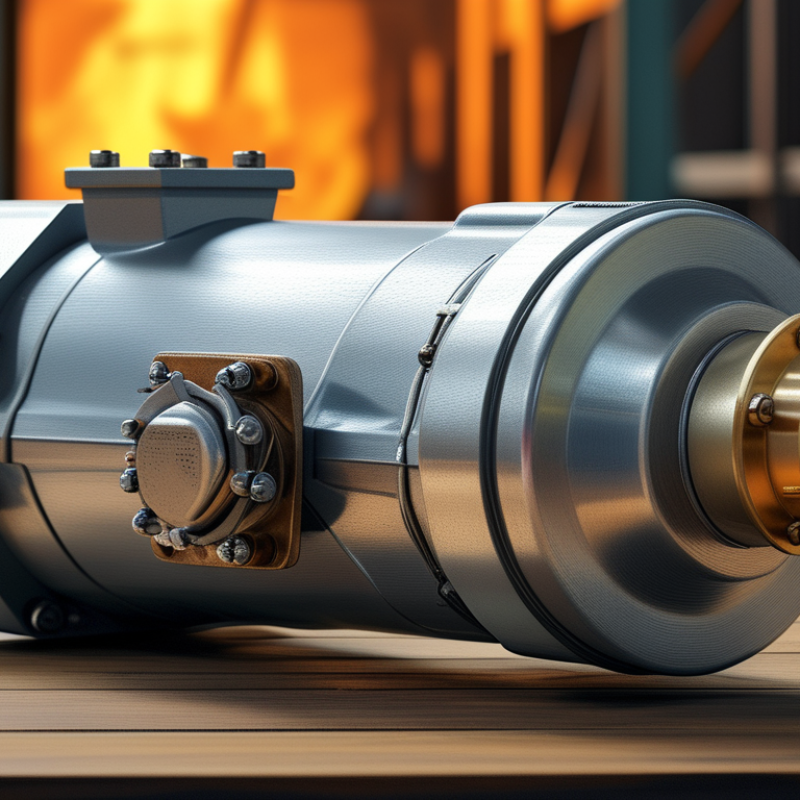
Choose materials according to fluid chemistry, temperature, pressure, and maintenance conditions. Stainless steel may resist corrosion, while titanium can suit aggressive seawater service. Material prices change quickly. Use current supplier quotations, not old spreadsheets. Include tube sheets, gaskets, nozzles, supports, and welding consumables in the material estimate. Small parts can distort the final cost.
Set the design standard before requesting quotations. Pressure vessel rules, thermal design codes, and local inspection requirements affect thickness, testing, documentation, and fabrication time. A unit designed for high cyclic pressure needs stronger joints and stricter examination. Specify fouling resistance and allowable pressure drop clearly. Otherwise, suppliers may price different performance assumptions. That comparison becomes unreliable. It happens often.
Review construction features that affect labor. Removable bundles, divided shells, lifting lugs, and access covers improve serviceability but increase fabrication costs. A welded construction may reduce leakage points, yet it can require more inspection and skilled labor. Ask for hydrostatic testing, radiography, surface treatment, and factory performance checks as separate cost lines. Field assembly, insulation, transport, and future tube replacement also deserve attention. I have seen estimates miss access space, then pay more during installation. Leave room for revision.
7 Tips to Calculate Heat Exchanger Cost
Indicative contribution of major material, design-standard, and construction factors to the total purchase budget
Materials usually represent the largest cost driver, followed by heat-transfer area, fabrication complexity, and pressure requirements. Design codes, inspection, testing, supports, and insulation can also affect the final quotation. The percentages shown are an indicative budgeting model for industrial shell-and-tube heat exchangers; actual costs vary with capacity, operating conditions, materials, labor rates, and project requirements.