10 Best Heat Exchanger Functions You Need to Know?
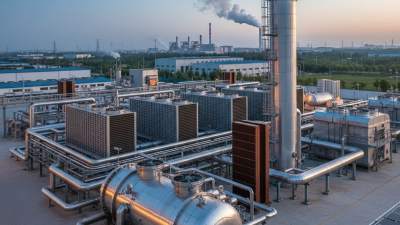
Understanding the heat exchanger function is crucial for various industries. Heat exchangers are devices that transfer heat between two or more fluids. This process plays a vital role in enhancing energy efficiency and maintaining temperature control.
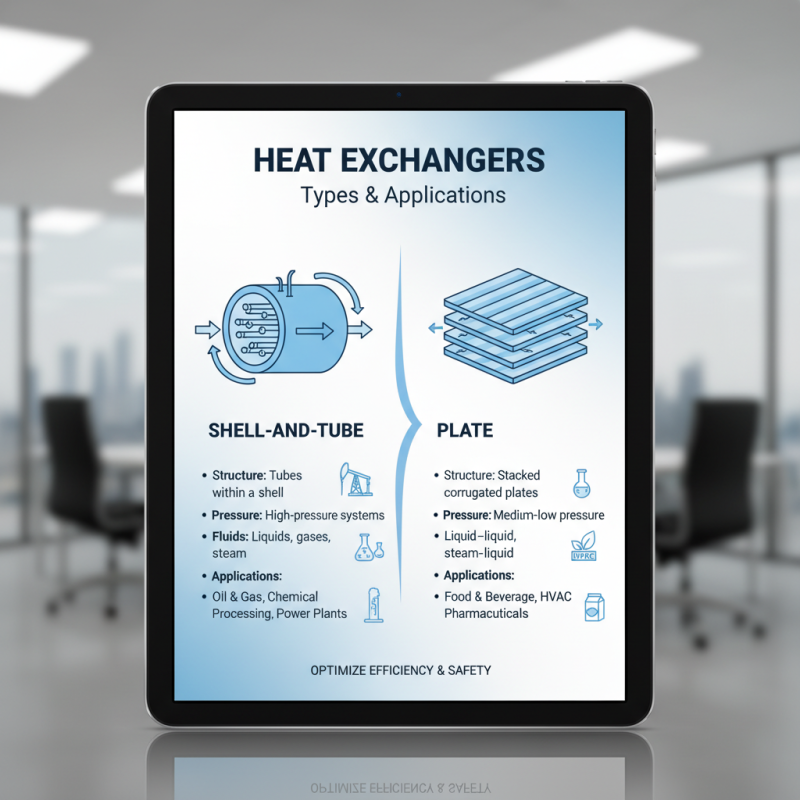
Different types of heat exchangers serve distinct purposes. For example, in power plants, they regulate temperatures to boost performance. In HVAC systems, they manage heat for comfort. Knowing their functions can help in selecting the right type for specific applications.
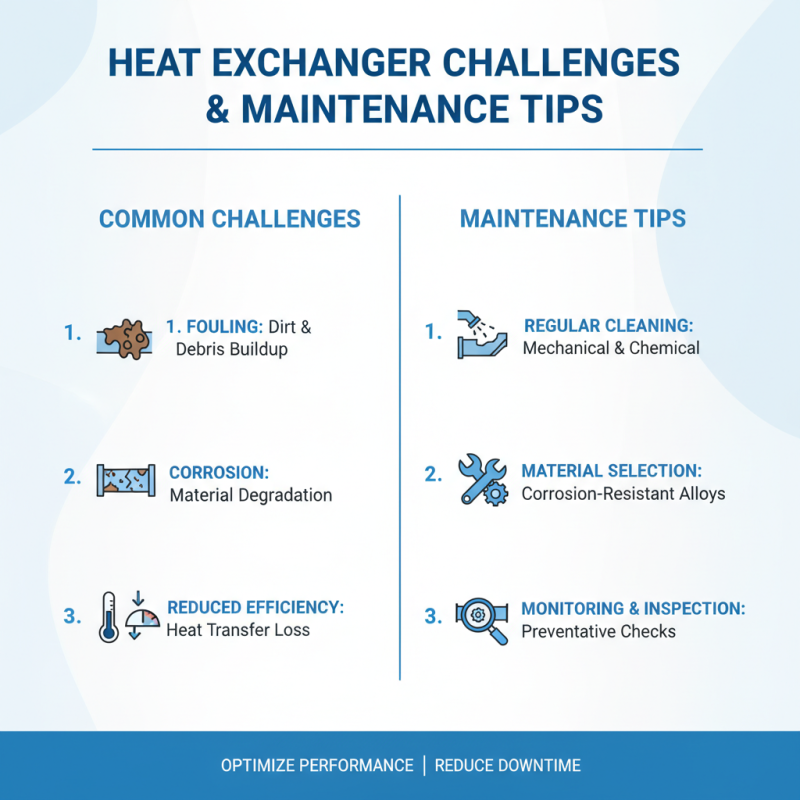
However, it's important to recognize that not all heat exchangers are created equal. Some designs may be inefficient or cumbersome. Regular maintenance is essential to ensure optimal performance. Misunderstanding their function can lead to costly mistakes. Thus, understanding the heat exchanger function can save time and resources, emphasizing the importance of informed choices.
Understanding Heat Exchangers: An Overview of Their Importance
Heat exchangers are vital in various industries, facilitating efficient thermal energy transfer. These devices play crucial roles in improving energy efficiency, reducing environmental impact, and ensuring system reliability. According to a report from the International Energy Agency, heat exchangers can enhance energy efficiency by up to 25% in industrial applications, significantly lowering operational costs and emissions.
Understanding their functions helps in optimizing system performance. In power plants, for instance, heat exchangers maintain the balance between heating and cooling processes. This control minimizes energy loss and maximizes output. Industries like chemical production and HVAC systems depend heavily on heat exchangers for effective temperature regulation. However, improper maintenance can lead to inefficiencies. Reports suggest that over 30% of heat exchangers experience performance degradation due to fouling and corrosion, underlining the need for regular inspections and maintenance.
Furthermore, diverse applications highlight the versatility of heat exchangers. In commercial refrigeration, they help maintain optimal temperatures, preserving food quality. Similarly, they are critical in engine cooling systems, where overheating can lead to catastrophic failures. Despite their importance, many facilities overlook the nuances of heat exchanger operation, missing opportunities for performance improvement. Engaging with regular training can help technicians understand these systems better, promoting longevity and efficiency.
Key Functions of Heat Exchangers in Various Industries
Heat exchangers play a critical role across various industries by facilitating efficient thermal energy transfer. In power plants, they help maintain optimal temperatures, boosting efficiency by over 15% according to recent industry data. These devices enable the recycling of waste heat, reducing fuel consumption and emissions, which is increasingly paramount in today’s eco-conscious environment.
In the HVAC sector, heat exchangers provide essential temperature regulation, making sustained energy savings possible. A study from the Energy Saving Trust indicates that using high-efficiency heat exchangers can lead to a 30% reduction in energy costs. Effective design is crucial, yet many systems fail to achieve peak performance due to suboptimal configurations or maintenance issues.
In the chemical industry, heat exchangers are vital for controlling reaction temperatures, significantly impacting product quality and yield. However, they can also create bottlenecks if not sized properly. Research indicates that up to 20% of process inefficiencies stem from poorly designed thermal systems. Regular assessments and improvements are necessary for maximizing performance and minimizing downtime.
10 Best Heat Exchanger Functions You Need to Know
| Function |
Description |
Industry Application |
| Heat Transfer |
Transfers heat from one medium to another. |
Chemical Processing |
| Temperature Control |
Regulates the temperature of fluids in a system. |
HVAC Systems |
| Energy Recovery |
Recovers waste heat for reuse, improving efficiency. |
Power Generation |
| Fluid Heating |
Heats fluids for various processes. |
Food and Beverage |
| Fluid Cooling |
Cools fluids to maintain optimal conditions. |
Metalworking |
| Condensation |
Facilitates the condensation of vapors into liquids. |
Oil & Gas |
| Evaporation |
Evaporates liquids for concentration or separation. |
Pharmaceuticals |
| Process Optimization |
Improves process efficiency through controlled heat exchange. |
Power Plants |
| Separation |
Separates different phases or components by utilizing heat. |
Wastewater Treatment |
| Temperature Regulation |
Maintains required temperatures for processing. |
Chemical Manufacturing |
Thermal Transfer Efficiency: How Heat Exchangers Operate
Heat exchangers play a crucial role in thermal management across various industries. Their primary function is to transfer heat between two or more fluids without mixing them. High thermal transfer efficiency is essential. Studies show that efficient designs can lead to energy savings of up to 30%. This efficiency impacts both operation costs and environmental sustainability.
The operation of heat exchangers relies on principles of fluid dynamics and thermodynamics. They maximize surface area to enhance heat transfer rates. For instance, using fins or coils increases contact points. However, achieving optimal efficiency can be challenging. Fouling and corrosion over time reduce effectiveness. Reports estimate that fouling can decrease efficiency by nearly 20%. Regular maintenance is essential for maintaining performance.
Innovative designs are continuously being developed. Effective materials and configurations can lead to better performance. Nonetheless, each application has unique needs. In practice, there are trade-offs between cost, efficiency, and longevity. Engineers must analyze these factors carefully to select the best solution. Balancing these aspects can be complex and requires expertise.
10 Best Heat Exchanger Functions You Need to Know