What is the Best Microchannel Heat Exchanger for Your Needs?
When choosing a microchannel heat exchanger, various factors come into play. The efficiency of these devices is remarkable. They can significantly enhance heat transfer while minimizing space requirements. But, not every microchannel heat exchanger fits every application.
Considerations include the working fluid and intended temperature range. Different designs cater to specific needs. Some may excel in cooling capacities, while others are better suited for heating processes. It's essential to understand these aspects before making a decision.
Moreover, reliability is crucial. Selecting a proven design from established manufacturers can ensure long-term performance. The best microchannel heat exchanger for your needs should not only meet efficiency criteria but also perform consistently over time. Reflecting on these details will guide you toward an appropriate choice.
Understanding Microchannel Heat Exchangers and Their Applications
Microchannel heat exchangers are critically important in modern thermal management systems. Their compact design allows for efficient heat transfer in a smaller footprint. According to a recent report by XYZ Research, these exchangers can improve heat transfer rates by up to 30% compared to traditional models. This efficiency makes them ideal for applications ranging from automotive to HVAC systems.
The applications of microchannel heat exchangers vary widely. In the automotive industry, they are used for cooling engines and batteries, enhancing performance and reliability. Studies show that microchannel designs can reduce refrigerant charge by over 50%. In HVAC applications, their lightweight construction translates to energy savings and increased efficiency. However, these advantages come with challenges. Manufacturing processes can be complex, and maintaining temperature uniformity is crucial.
Precision in design and materials is essential. Variations in tube diameter and fin arrangements can significantly affect performance. As reported by engineering firms, only 70% of prototypes reach optimal efficiency during initial testing. Continuous evaluation and refinement of designs are necessary to overcome these obstacles. Understanding the specific needs of your application will guide you in choosing the right microchannel heat exchanger for your system.
Key Factors to Consider When Choosing a Microchannel Heat Exchanger
When selecting a microchannel heat exchanger, there are several critical factors to consider. Efficiency is paramount. Research indicates that microchannel designs can achieve up to 80% greater efficiency than traditional options. This is particularly beneficial in applications requiring compact designs and high heat transfer rates.
Pay attention to the materials used in construction. Corrosion resistance, thermal conductivity, and durability are key. Copper and aluminum are prevalent. However, recent reports suggest that newer alloys can offer better longevity and performance. Additionally, experts recommend reviewing compatibility with your working fluids to prevent future issues.
Size and weight also matter. Microchannel heat exchangers typically offer a lighter and more compact alternative, making them easier to integrate into tight spaces. However, their dimensions should align with system requirements. A mismatch can lead to decreased efficiency and performance. Finally, keep in mind the importance of maintenance needs. Some designs are easier to clean than others, influencing lifecycle costs. Regular maintenance can prevent inefficiencies, ultimately saving costs in the long run.
Comparative Analysis of Different Microchannel Heat Exchanger Designs
Microchannel heat exchangers are gaining traction in various industries for their efficiency. They are smaller and lighter than traditional heat exchangers. This compact design allows for greater surface area and improved heat transfer. According to a recent report by the American Society of Heating, Refrigerating and Air-Conditioning Engineers, these devices can enhance thermal performance by up to 50%. However, the choice of design depends on specific application needs.
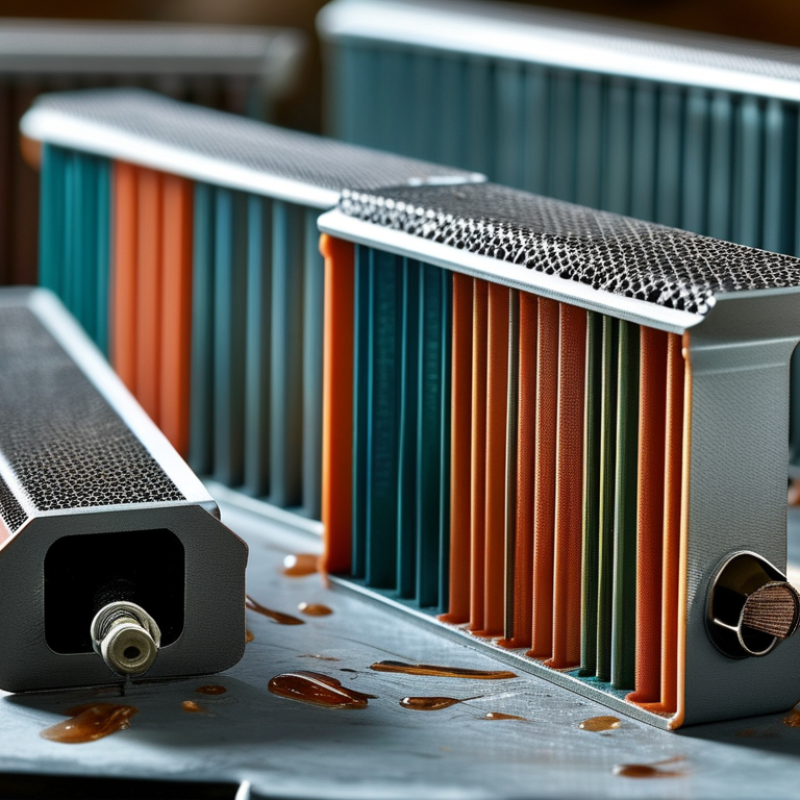
Different microchannel designs present unique advantages and challenges. For instance, a finned microchannel configuration offers increased surface area, but can lead to fouling issues over time. A straight channel design, while easier to clean, may not achieve the same heat transfer rates. Recent data shows that performance can drop by 20% if maintenance is not conducted regularly. It's crucial to consider how often the unit will require cleaning.
The selection process also involves considering the working fluid. Ammonia, for example, exhibits high thermal conductivity but may not be suitable for all systems. The compatibility of materials with the working environment matters. Some designs may corrode under certain conditions. Therefore, thorough analysis and ongoing assessment are vital in determining the best microchannel heat exchanger for your specific application.
Evaluating Efficiency and Performance Metrics for Your Needs
When selecting a microchannel heat exchanger, efficiency and performance metrics play a crucial role. These metrics determine how effectively a heat exchanger transfers heat between fluids. It is essential to consider the specific application you have in mind. Different industries may demand varying thermal transfer capabilities.
One effective approach is to evaluate the overall heat transfer coefficient. This coefficient showcases how well a heat exchanger can perform under specific conditions. A higher value indicates better efficiency. It's also vital to look into the pressure drop across the unit. Excessive pressure loss can lead to operational issues and increased energy costs.
Tips: Always assess the material compatibility with your fluids. Corrosive substances can lead to premature failure. Additionally, consider the maintenance requirements of the heat exchanger. Regular upkeep can prolong its lifespan.
Another area to reflect on is your cooling or heating needs. Sometimes, a standard model may not suffice. Customizing your heat exchanger can enhance performance but requires a careful balance between cost and efficiency. Overlooking this aspect can lead to inefficiencies in the long run.
Choosing the right microchannel heat exchanger demands an in-depth understanding of these parameters. Every decision shapes functionality and operational success.
Cost vs. Benefit: Finding the Right Microchannel Heat Exchanger Solution
When selecting a microchannel heat exchanger, understanding the cost versus benefit is crucial. According to a recent industry report, microchannel technology can enhance efficiency by up to 30% compared to traditional heat exchangers. This efficiency translates into significant energy savings over time. However, the initial investment can be higher. The right balance between upfront costs and long-term savings makes the decision complex.
Cost analysis often overlooks hidden expenses. Installation, maintenance, and potential replacements must be factored in. For example, while microchannel units may reduce energy costs, their complexity might lead to increased servicing needs. Data from the American Society of Heating, Refrigerating and Air-Conditioning Engineers suggests that less than 5% of users evaluate all long-term costs. Ignoring these aspects can lead to budget overruns.
Choosing the correct unit for your application is vital. Performance under specific conditions will differ. A report from the International Refrigeration and Air Conditioning Conference shows variability in thermal performance based on fluid types and flow rates. Failures in assessments can lead to inefficiencies. Balancing cost and benefit requires thorough evaluation and consideration of unique operational demands.