2026 Best Oil Cooler for Torque Converter Options Explained
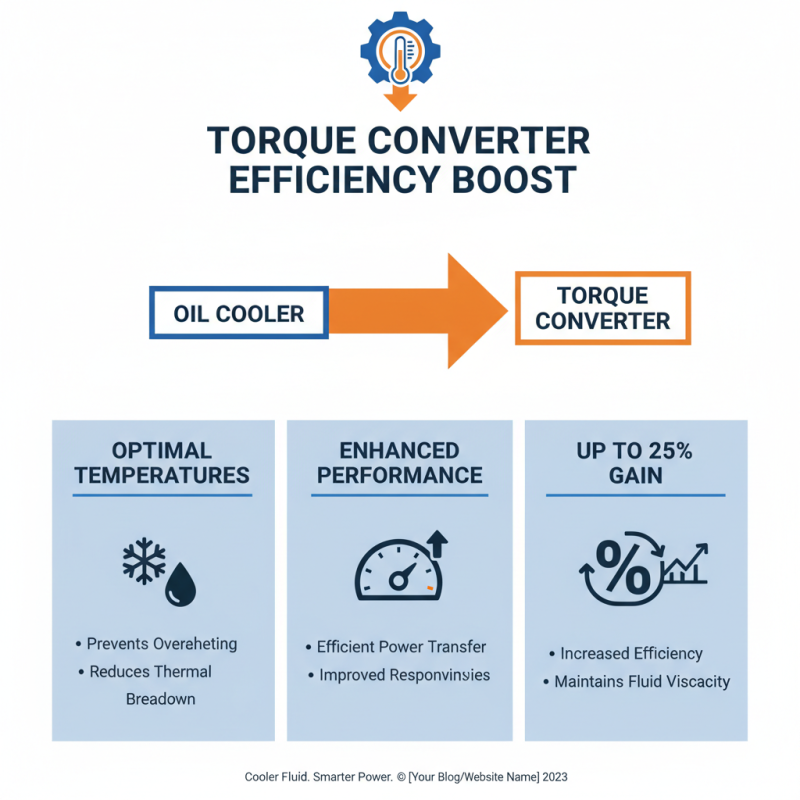
In the world of automotive performance, an efficient Oil Cooler for Torque Converter is essential. Engine temperatures can rise quickly during heavy use. This heat can degrade performance and increase wear on components. According to industry reports, a well-designed oil cooler can reduce transmission temperatures by up to 30%. This can lead to prolonged equipment life and better torque transfer during operation.
As vehicles become more powerful, the demand for effective cooling solutions has grown. The 2022 Automotive Engineering Society reported a 15% increase in torque converter upgrades among performance enthusiasts. However, not all oil coolers are created equal. Many products fall short of expectations, leading to failures and wasted investment. Choosing the right Oil Cooler for Torque Converter requires careful consideration of materials, design, and compatibility.
Performance isn't solely about power; it's also about control. An underperforming oil cooler can hinder your vehicle's potential. The complexity of today's systems means that even small adjustments can yield significant results. Reflecting on your choices may open avenues for optimization. Investing in quality cooling solutions is not just wise; it can be the difference between peak performance and costly repairs.
Overview of Torque Converters and Oil Coolers
Torque converters play a critical role in vehicle performance. They provide smooth power transfer between the engine and transmission. A well-functioning torque converter improves fuel efficiency and enhances driving experience. Studies indicate that vehicles with optimized torque converters can achieve up to 15% better fuel economy. However, overheating is a significant risk. Constant heat can lead to fluid breakdown and torque converter failure.
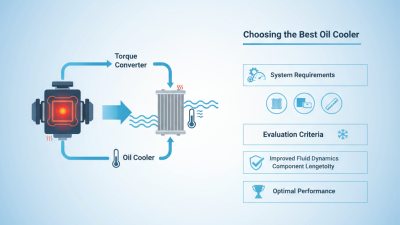
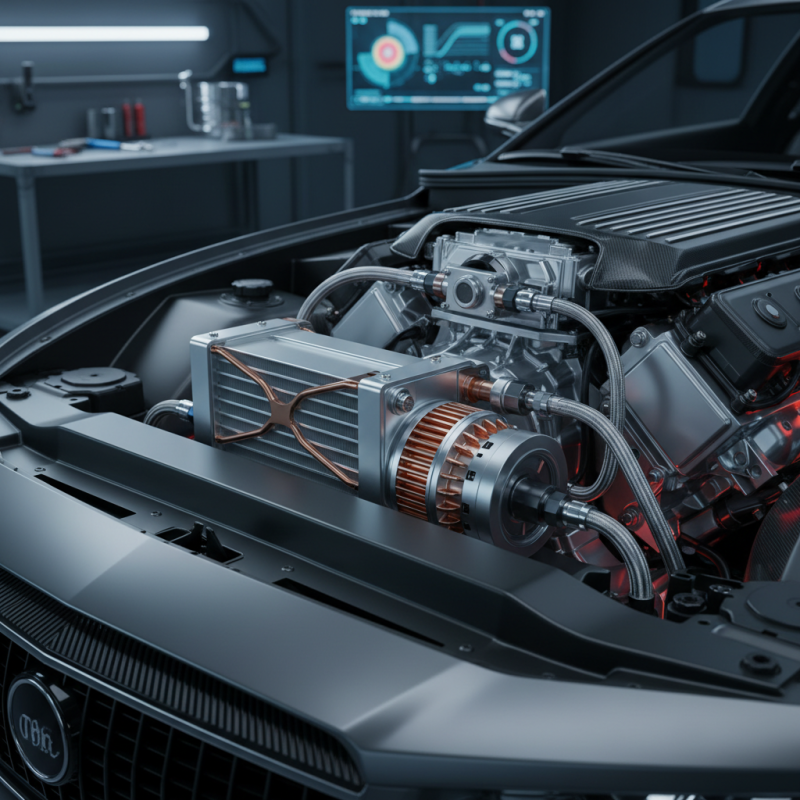
Oil coolers are essential to mitigate heat buildup in torque converters. They help maintain optimal operating temperatures. Proper cooling can extend the lifespan of the converter. Reports suggest that maintaining a temperature below 200 degrees Fahrenheit is ideal. Unfortunately, many drivers overlook the importance of oil coolers. A neglected cooler can lead to premature failures and costly repairs.
Not all vehicles come equipped with adequate cooling systems. Some models require aftermarket solutions for better performance. Installing a dedicated oil cooler can enhance efficiency. Engineers recommend conducting regular maintenance checks. These can prevent overheating issues before they arise. A proactive approach is vital for long-term performance. It’s about ensuring the right components work harmoniously together.
Factors to Consider When Choosing an Oil Cooler
When selecting an oil cooler for your torque converter, consider several key factors. One crucial aspect is the cooler’s size. A larger cooler often has better heat dissipation qualities. The heat transfer area is vital. According to industry data, a cooler with a larger surface area can reduce engine temperatures by up to 30%. This can potentially enhance your vehicle's performance significantly.
Another important factor is the material construction. Most oil coolers are made from aluminum or steel. Aluminum is lighter and has better thermal conductivity. However, steel is more durable. The choice depends on your specific driving conditions. If you frequently drive in extreme weather, durability might outweigh weight considerations.
Lastly, check the oil flow rate. It should match your engine's requirements. A high flow rate prevents overheating, which is critical for optimal performance. But if the flow rate is too high, it might lead to pressure drops. These nuances can impact the overall effectiveness of your oil cooler, highlighting the need for careful selection and testing.
2026 Best Oil Cooler for Torque Converter Options
This chart illustrates the different factors to consider when choosing the best oil cooler for a torque converter. The dimensions represent the performance characteristics and cost-effectiveness, aiding in making an informed decision.
Top Oil Cooler Options for Torque Converters in 2026
When considering oil coolers for torque converters in 2026, various options stand out. An effective oil cooler maintains optimal temperatures, ensuring your vehicle runs smoothly. The right cooler can enhance performance and longevity. High-quality materials help with heat dissipation. Look for products designed specifically for torque converters.
Tips: Always check compatibility. Some coolers may not fit every vehicle. Measure your space carefully before making a purchase. Installation can be tricky. Seek professional help if unsure.
Another option is a compact cooler. They save space and offer effective cooling. However, ensure it has enough capacity for your needs. Smaller units may struggle under high demand. Consider your driving habits. Regular use under heavy loads could require a more robust solution.
Tips: Maintenance is key. Clean the cooler regularly to prevent clogging. Additionally, monitor oil levels frequently. This helps prevent overheating and improves overall performance.
2026 Best Oil Cooler for Torque Converter Options Explained
| Model |
Cooling Capacity (BTU) |
Material |
Weight (lbs) |
Price ($) |
| Model A |
50,000 |
Aluminum |
6 |
150 |
| Model B |
45,000 |
Steel |
7 |
130 |
| Model C |
60,000 |
Aluminum |
5 |
160 |
| Model D |
55,000 |
Copper |
8 |
140 |
Installation and Maintenance Tips for Oil Coolers in Torque Converters
When installing oil coolers for torque converters, proper attention to detail is crucial. A 2022 industry report noted that improper installation can lead to a 30% increase in overheating risks. This can significantly affect performance and longevity. Ensure that all connections are secure and free from leaks. Using the correct type of oil is equally vital. The wrong oil can deteriorate seals and hoses, leading to failure.
Regular maintenance of your oil cooler is essential. Check the coolant levels frequently. Any drop can indicate a leak or a failing component. In fact, a well-maintained cooler can extend the lifespan of a torque converter by up to 50%. Clean the cooler regularly to prevent debris accumulation. This maintenance step is often overlooked but is vital.
Monitoring temperature is key. If you notice higher-than-normal readings, it’s time to investigate. Perhaps a blockage is present, or the cooler is not functioning efficiently. Keeping an eye on these indicators can prevent costly repairs down the line. Remember, small oversights now can lead to bigger issues later. Address them promptly to maintain optimal performance.