10 Best Plate-Fin Heat Exchangers for Efficient Thermal Management?
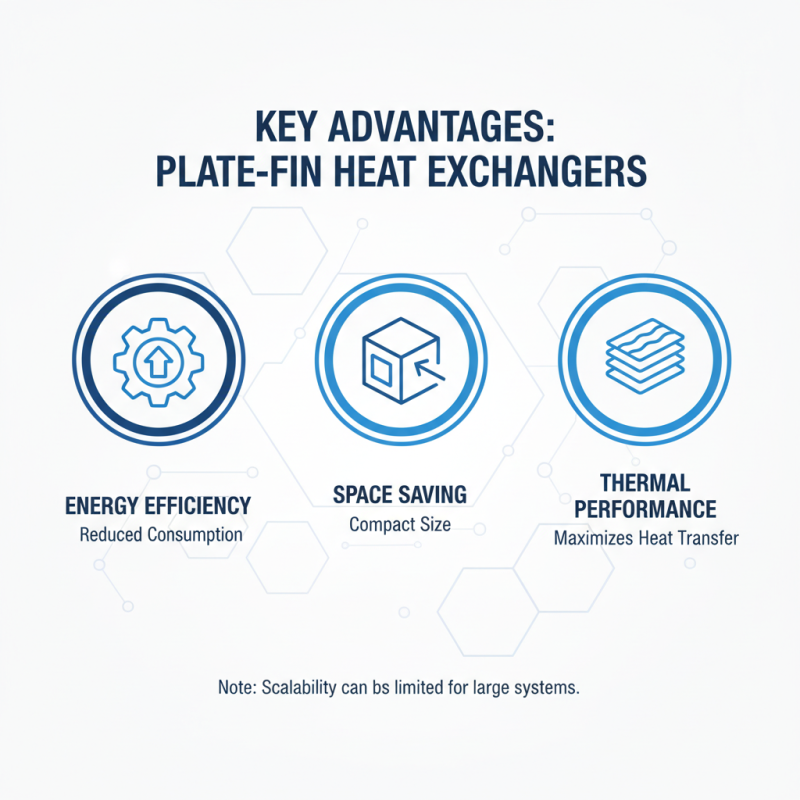
Efficient thermal management is crucial in many industrial applications. The Plate-Fin Heat Exchanger stands out as a key technology for this purpose. These devices are designed to optimize thermal transfer, making them essential in processes requiring precise temperature control.
Plate-Fin Heat Exchangers utilize a unique design that enhances heat transfer efficiency. Their compact structure allows for better space utilization. However, not all models perform equally well in every scenario. Some have limitations in high-pressure applications. Others might not be suitable for corrosive environments.
While these exchangers shine in many applications, it’s important to choose the right one. Carefully evaluate design, material, and operational parameters. Some users have reported challenges with maintenance and fouling. The best choice depends on specific needs and conditions. This guide explores the top 10 models available, highlighting their features and potential drawbacks. Understanding these factors is essential for effective thermal management.
Overview of Plate-Fin Heat Exchangers and Their Applications
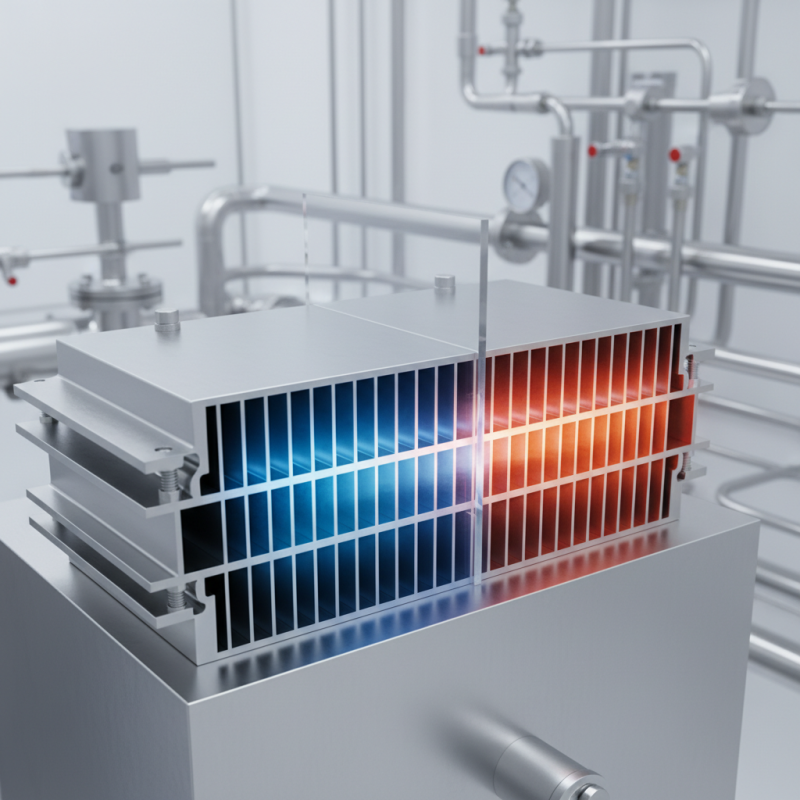
Plate-fin heat exchangers are crucial for efficient thermal management across various industries. These devices work by maximizing surface area for heat transfer. The unique plate design allows for compact and lightweight configurations. This adaptability makes them ideal for applications where space is limited. However, intricate designs can also complicate maintenance and repair.
Common applications include aerospace, HVAC, and automotive sectors. In aerospace, they enhance thermal control in engine systems. In HVAC, they improve energy efficiency in climate control systems. Yet, users must consider their specific heat transfer requirements and operating conditions. Missteps in selection can lead to suboptimal performance. Understanding flow arrangements and fluid properties is critical. This often requires careful evaluation and sometimes, expert input. The balance of efficiency, cost, and reliability is always a challenge.
10 Best Plate-Fin Heat Exchangers for Efficient Thermal Management
| Model |
Material |
Application |
Heat Transfer Area (m²) |
Max Operating Temperature (°C) |
Max Pressure (bar) |
| Model A |
Aluminum |
Aerospace |
30 |
150 |
25 |
| Model B |
Stainless Steel |
Oil & Gas |
45 |
180 |
30 |
| Model C |
Copper |
HVAC |
25 |
130 |
20 |
| Model D |
Titanium |
Marine |
40 |
220 |
40 |
| Model E |
Carbon Steel |
Industrial |
50 |
160 |
35 |
Top Features to Consider When Selecting a Plate-Fin Heat Exchanger
When choosing a plate-fin heat exchanger, several features demand careful consideration. Efficiency is key. Look for units designed to maximize surface area while minimizing pressure drop. This balance is vital for effective thermal management. Compact designs may save space but can sometimes lead to maintenance challenges. Evaluate the layout carefully before making a decision.
Material selection is also crucial. Corrosion resistance can make or break performance over time. Stainless steel and aluminum are common choices. Each has unique benefits and potential pitfalls. The choice often depends on the working environment. Pay attention to operating temperatures and fluid compatibility when selecting materials.
Customization might be necessary for specific applications. Standard designs may not meet all needs. Some industries require unique flow paths or specialized configurations. Regular assessments and adaptations can enhance performance. However, ensure that modifications don’t compromise efficiency. They could create unexpected issues down the line. Understanding these factors can lead to better decisions and prolonged equipment life.
Comparison of the 10 Best Plate-Fin Heat Exchangers on the Market
When selecting a plate-fin heat exchanger, efficiency is paramount. These devices can achieve effectiveness levels above 90%. According to industry data, they minimize thermal resistance and enhance heat transfer capabilities, making them ideal for various applications.
Key metrics often used are the overall heat transfer coefficient and pressure drop. A well-designed plate-fin unit can significantly reduce energy consumption, promoting sustainability in thermal management systems.
Heat exchangers vary widely in performance. A recent study indicates that some models may have an up to 15% discrepancy in efficiency ratings. Factors contributing to this include fin density, flow arrangement, and material quality. Choosing the right configuration can drastically impact temperature effectiveness. However, some products still struggle with pressure drop issues. These drawbacks remind us to scrutinize each option carefully.
In the current market, there is also a concern over the longevity of materials used in these systems. Reports show that corrosion and fouling can diminish efficiency over time, leading to costly maintenance. Current technology does allow for advanced coatings that combat these issues, yet adoption remains inconsistent. Users must weigh short-term gains against long-term reliability. Efficiency is crucial, but sustained performance can often be overlooked.