Why Choose Plate-Fin Heat Exchanger for Your Industry Needs?
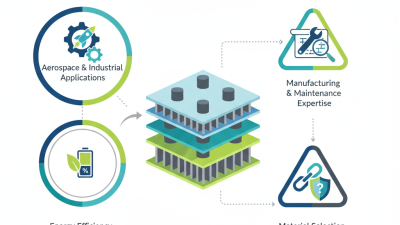
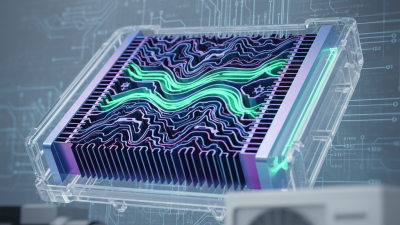
When considering efficient heat transfer solutions, the "Plate-Fin Heat Exchanger" stands out as an optimal choice. This technology is widely recognized in various industries for its ability to deliver high thermal performance in a compact design. With its unique structure of thin plates and fins, it optimizes heat transfer surface area and reduces energy consumption.
Many industries, including aerospace and refrigeration, benefit from this innovation. Its reliability and efficiency make it ideal for managing temperature-sensitive applications. However, it is crucial to assess the specific needs of your industry before making a selection. Not all applications suit a plate-fin design. An in-depth understanding of your operational requirements can lead to better performance and sustainability.
Evaluating the potential of a "Plate-Fin Heat Exchanger" means recognizing its strengths and limitations. It requires a careful balance between design, material choice, and application. Despite its advantages, engineers must also consider installation complexity and maintenance aspects. By thoroughly examining these factors, industries can harness the true capabilities of plate-fin technology to enhance productivity and efficiency.
Advantages of Plate-Fin Heat Exchangers in Industrial Applications
Plate-fin heat exchangers offer remarkable advantages for various industrial applications. Their compact design maximizes surface area while minimizing size. This feature is crucial in environments where space is at a premium. Efficiency in heat transfer is another key benefit. These exchangers facilitate rapid thermal exchange, improving overall system performance.
In addition to compactness and efficiency, plate-fin heat exchangers are highly adaptable. They can manage diverse fluids under varying pressures and temperatures. This versatility makes them suitable for sectors like aerospace, petrochemical, and HVAC. However, their complexity can pose challenges. Installation and maintenance require skilled professionals to avoid potential pitfalls.
Another consideration is the potential for fouling. Accumulated residues may diminish performance over time. Regular maintenance is essential to ensure optimal operation. This diligence reflects the importance of balancing efficiency with ongoing care. Investing in high-quality heat exchangers can yield significant long-term benefits. Ultimately, careful assessment of needs will lead to better choices.
Key Design Features of Plate-Fin Heat Exchangers for Efficiency
Plate-fin heat exchangers offer excellent performance for various industrial needs. Their design features enable high heat transfer efficiency while maintaining a compact footprint. This is crucial in industries where space is limited. According to a 2022 industry report, these exchangers can achieve thermal efficiency levels exceeding 90%, making them a preferred choice for many applications.
The intricate design of plate fins promotes turbulent flow, which enhances heat transfer rates. This is achieved through precise spacing and orientation of fins, allowing for optimized fluid dynamics. Studies indicate that industries using plate-fin heat exchangers report energy savings of up to 30%, which can significantly reduce operational costs. The pressure drop across these systems is also relatively low, which is an added advantage for long-term sustainability.
However, maintenance poses challenges. The compact design can make cleaning difficult, leading to potential efficiency losses over time. A thoughtful approach to maintenance is essential. Additionally, initial installation costs may be high. This requires careful ROI analysis to justify the investment. Overall, plate-fin heat exchangers represent a balance of efficiency and practicality, albeit not without their own sets of challenges.
Comparative Analysis: Plate-Fin vs. Traditional Heat Exchangers
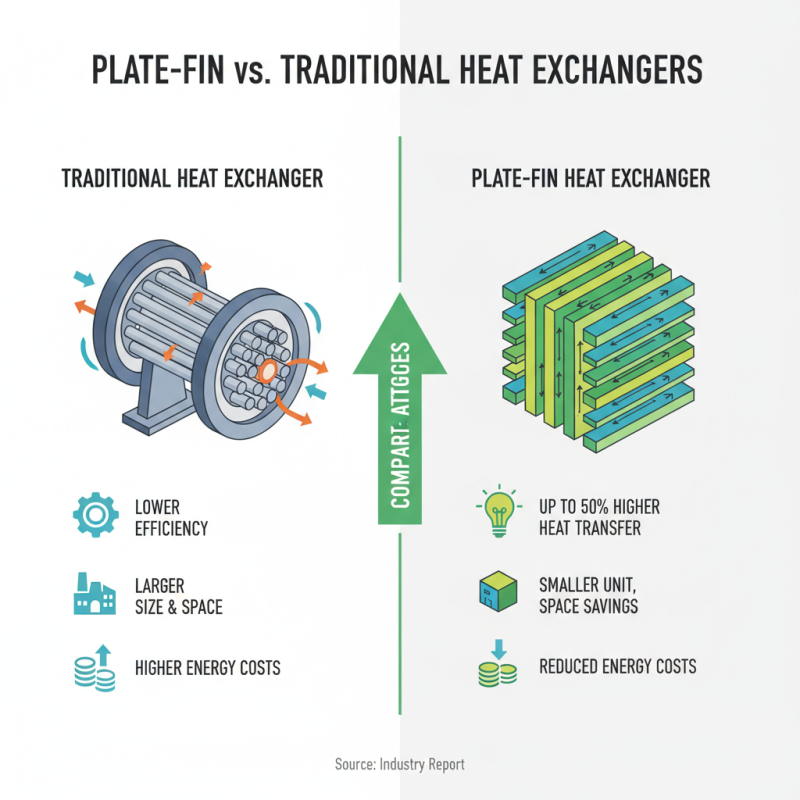
Plate-fin heat exchangers offer distinct advantages over traditional designs. They can achieve higher thermal efficiency due to their enhanced surface area and compact size. According to a recent industry report, plate-fin exchangers can improve heat transfer coefficients by up to 50% compared to conventional shell-and-tube systems. This means reduced energy costs and smaller unit sizes, leading to significant space savings in industrial settings.
However, the initial investment for plate-fin heat exchangers can be higher. Maintenance and repair might also require specialized knowledge. It's essential to consider the specific operational conditions of your industry. Factors like fluid properties and temperature ranges play a crucial role in determining the right choice. Engage with professionals who can guide you through this evaluation.
Tip: Regularly analyze your heat exchanger's performance data. This proactive approach can identify potential issues before they escalate, ensuring long-term efficiency and reliability. Also, keep in mind that while plate-fin exchangers excel in many applications, they may not be the best fit for every scenario. Reflect on your unique industry needs to make the right choice.
Common Industries Benefiting from Plate-Fin Heat Exchangers
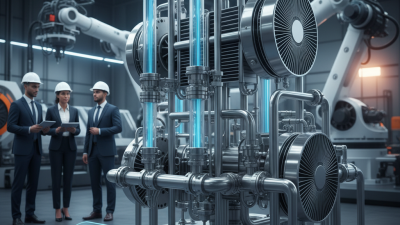
Plate-fin heat exchangers serve many industries effectively. One significant sector is aerospace, where efficiency and weight are crucial. These heat exchangers assist in managing thermal processes in aircraft engines. They maximize heat transfer while minimizing space, which is vital in this industry.
Another area benefiting from plate-fin technology is chemical processing. Here, they facilitate efficient heating and cooling of fluids. Their compact design enhances energy efficiency, leading to cost savings. Many facilities rely on them for reliable temperature control. They are essential in maintaining optimal reactions and production rates.
Tips: Always assess your specific needs when choosing a heat exchanger. Understand your operating conditions. Look for products that promise longevity but do not compromise on performance. Regular maintenance is key. Monitor for any performance drops, as these could signify underlying issues.
Why Choose Plate-Fin Heat Exchanger for Your Industry Needs? - Common Industries Benefiting from Plate-Fin Heat Exchangers
| Industry |
Application |
Benefits |
| Oil & Gas |
Heat recovery and cooling |
High thermal efficiency, reduced footprint |
| Chemical Processing |
Process heating and cooling |
Robust design, improved reliability |
| Aerospace |
Fuel cooling systems |
Space-efficient, lightweight construction |
| HVAC |
Air conditioning systems |
High performance under varying loads |
| Food Processing |
Heat recovery processes |
Hygienic design, energy savings |
| Pharmaceuticals |
Temperature control in reactions |
Precision temperature management |
Maintenance and Longevity of Plate-Fin Heat Exchangers in Operations
Plate-fin heat exchangers are known for their efficient thermal performance and compact design. When it comes to maintenance, these systems require regular checks to ensure optimal function. This is important to avoid potential operational failures. Filters should be inspected frequently, as well as gaskets and seals.
Longevity is a key factor in the cost-effectiveness of these exchangers. Proper maintenance can extend their lifespan significantly. However, neglecting maintenance can lead to decreased efficiency. Regular cleaning can prevent fouling, which affects heat transfer capabilities. It's not just about fixing problems; proactive measures are essential.
In operations, understanding the long-term implications of wear and tear is crucial. Operators may overlook signs of fatigue. This could result in sudden breakdowns, causing unexpected downtime. A systematic approach to maintenance is vital. It ensures that plate-fin heat exchangers remain reliable and efficient throughout their operational life.