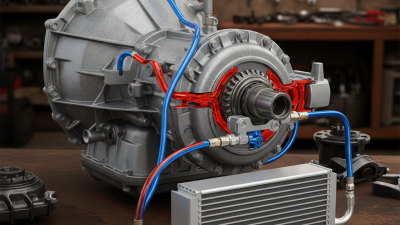
How to Choose the Right Oil Cooler for Torque Converter?
Choosing the right oil cooler for torque converters is crucial for optimal performance. An effective oil cooler enhances cooling efficiency, prolongs component life, and ensures smooth operation under various driving conditions. According to industry reports, nearly 30% of torque converter failures stem from inadequate cooling.
Expert John Anderson, a renowned automotive engineer, states, "Selecting the right oil cooler for torque converter systems significantly impacts reliability." His insight emphasizes the importance of understanding the specifications and requirements of your vehicle.
When considering an oil cooler for a torque converter, factors like size, flow rate, and thermal capacity matter. However, many users overlook these details. It’s essential to match the cooler's capability with the vehicle's demands. The wrong choice could lead to overheating or underperformance. Understanding these dynamics can make the difference in ensuring efficiency and durability in your drivetrain system.
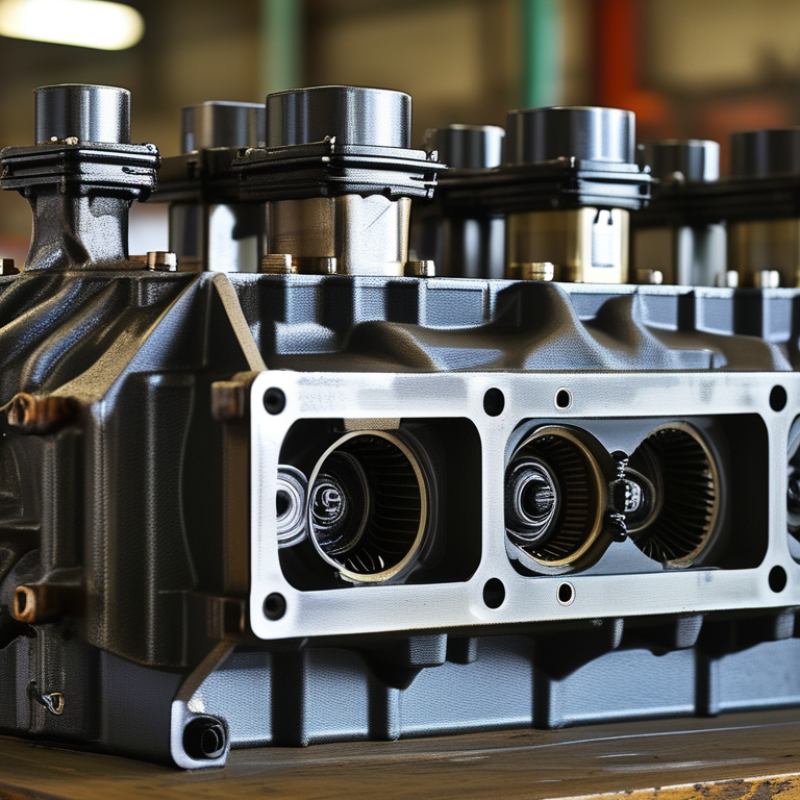
Choosing the Right Oil Cooler Based on Vehicle Specifications
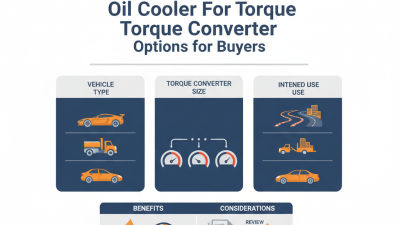
Selecting the right oil cooler for your torque converter is crucial. It impacts both performance and longevity. Vehicle specifications provide essential information for making this choice. Consider the engine size, transmission type, and operating conditions. For instance, heavier vehicles may generate more heat. A larger cooler could be necessary for their efficient functioning.
Moreover, assess the material and design of the cooler. Aluminum coolers are lighter but may require more maintenance. Steel coolers offer durability but add weight. Each option has its pros and cons. Analyze the installation space and ensure compatibility with existing components. Inadequate fitting can lead to leaks or overheating.
Consulting a professional can also be beneficial. They bring expertise to the table. However, reliance on general advice might not suit specific needs. Doing thorough research and understanding your requirements is essential. It helps you avoid common pitfalls in the selection process. Remember, the right cooler enhances performance, but size and fit matter significantly.
Understanding the Thermal Dynamics of Torque Converter Applications
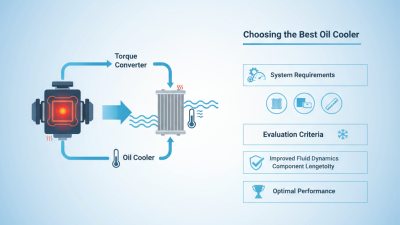
Understanding the thermal dynamics of torque converter applications is crucial when selecting an appropriate oil cooler. A torque converter generates significant heat during operation. This heat can adversely affect performance and longevity. Proper cooling prevents overheating and ensures optimal function.
When evaluating oil coolers, consider the specific conditions of your application. Factors such as vehicle type, engine power, and driving style play a vital role. A compact vehicle may require a different oil cooler compared to heavy-duty trucks. The cooler needs to effectively dissipate heat from the transmission fluid to maintain safe operating temperatures.
Thermal efficiency is not only about dissipating heat. It also involves fluid flow rates and routing. We must ensure that the oil flows smoothly through the cooler. Poor flow design may lead to hot spots. It is essential to balance cooling capacity with installation space. Always remember, integrating an oil cooler should enhance the overall thermal management system, not complicate it. In considering these aspects, you can make informed decisions on the right oil cooler for your torque converter application.
Evaluating Oil Cooler Designs: Plate vs. Tube-and-Fin Construction
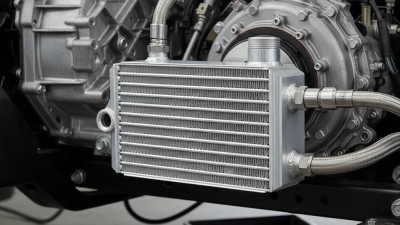
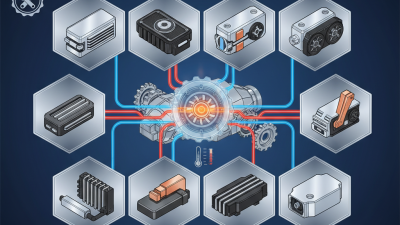
When selecting an oil cooler for a torque converter, understanding the design differences is crucial. Plate coolers are compact and offer excellent thermal efficiency. Their design allows for a greater surface area, promoting effective heat exchange. However, they can be more challenging to clean, leading to potential buildup over time. Regular maintenance is essential to ensure optimal performance.
On the other hand, tube-and-fin coolers are easier to maintain. They often have a more straightforward design, making them a popular choice. These coolers can be lightweight and can fit into tighter spaces. However, their larger footprint may not be ideal for every vehicle setup. While both designs have their merits, it’s vital to consider the specific needs of your system.
Choosing the right oil cooler involves weighing these factors carefully. Consider your vehicle's requirements, as well as how often you perform maintenance. The right choice can enhance performance, but neglecting to evaluate both designs may lead to inefficiencies. A thorough review can help ensure an appropriate selection for your torque converter's demands.
Assessing Flow Rate and Capacity for Optimal Cooling Efficiency
Choosing the right oil cooler for your torque converter requires careful assessment of the flow rate and cooling capacity. The flow rate determines how efficiently your oil can transfer heat away from the converter. A cooler with insufficient flow rate may not provide adequate cooling, leading to overheating and reduced performance. Researching the optimal flow specifications for your specific application is essential.
Capacity is another crucial factor. It reflects how much heat the cooler can dissipate over time. Selecting a cooler with too low a capacity might lead to a quick rise in oil temperatures, affecting reliability. Conversely, opting for an oversized cooler may disrupt your system's efficiency. It is vital to balance these aspects based on the demands of your vehicle and driving style.
Real-world experience highlights that proper sizing is often underrated. Many overlook the nuances of their cooling needs, causing inefficiencies. An improperly chosen cooler can introduce complications like reduced oil pressure or erratic temperature spikes. Taking the time to evaluate and compare options pays off in the long run.
How to Choose the Right Oil Cooler for Torque Converter?
| Model |
Flow Rate (GPM) |
Cooling Capacity (BTU/h) |
Dimensions (inches) |
Material |
| Oil Cooler A |
30 |
20,000 |
12 x 6 x 3 |
Aluminum |
| Oil Cooler B |
40 |
25,000 |
14 x 7 x 4 |
Copper |
| Oil Cooler C |
50 |
30,000 |
16 x 8 x 5 |
Steel |
| Oil Cooler D |
25 |
15,000 |
10 x 5 x 3 |
Aluminum |
| Oil Cooler E |
35 |
22,000 |
15 x 6 x 4 |
Composite |
Reviewing Installation Considerations and Maintenance Requirements
When selecting an oil cooler for a torque converter, installation considerations cannot be overlooked. An oil cooler needs to be compatible with the vehicle's specifications. Proper sizing is crucial; a cooler that is too small may not adequately lower temperatures, while one that is excessively large may disrupt fluid flow. According to a report by the Society of Automotive Engineers (SAE), optimal oil temperature should range between 175°F to 220°F. Deviating from this range can lead to reduced performance and potential damage.
Maintenance requirements for oil coolers also deserve attention. Regularly checking the fluid level and ensuring there are no leaks can prolong the cooler's lifespan. A study from the American Society of Mechanical Engineers (ASME) indicates that proper maintenance can improve efficiency by up to 30%. However, many vehicle owners neglect this aspect, which can lead to costly repairs. It's imperative to use high-quality oil that meets the industry's standards. This practice not only maintains performance but enhances reliability as well.
Choosing the right oil cooler is as much about installation and maintenance as it is about selection. Discussions among automotive experts often point to common oversights in both installation angles and blocked lines, which can hamper performance. Making informed choices backed by solid data can minimize such risks.