What is the Function of a Heat Exchanger in Industrial Applications?
In the world of industrial applications, the Heat Exchanger Function plays a critical role. Experts emphasize its importance. For instance, Dr. Emily Zhang, a renowned thermal systems engineer, once stated, "Heat exchangers are vital for energy efficiency in manufacturing." This quote reflects the centrality of heat exchangers in numerous processes.
Heat exchangers facilitate heat transfer between different mediums, such as liquids and gases. They reduce energy costs and improve operational efficiency. Companies rely on heat exchangers to maintain optimal temperatures in production settings. However, the effectiveness of these units often depends on their design and maintenance.
Many industries face challenges related to heat exchange efficiency. Ageing equipment can lead to increased energy consumption. Therefore, understanding the Heat Exchanger Function is essential for long-term sustainability. Regular monitoring and updates could mitigate these issues. The complexity of fluid dynamics within these systems warrants careful attention. Overlooking their maintenance can result in significant setbacks.
Definition and Basic Principles of Heat Exchangers in Industry
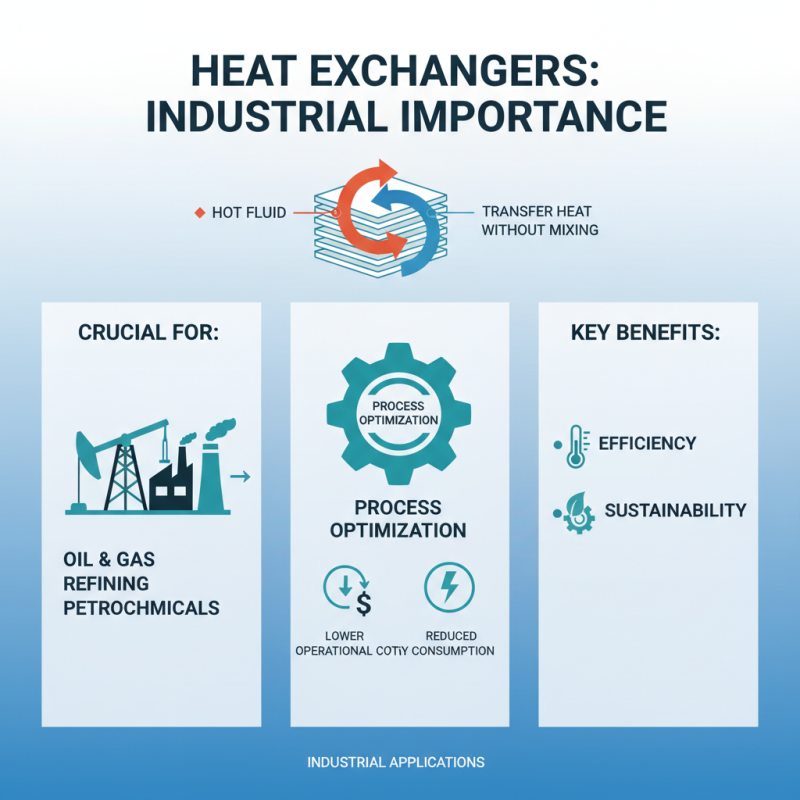
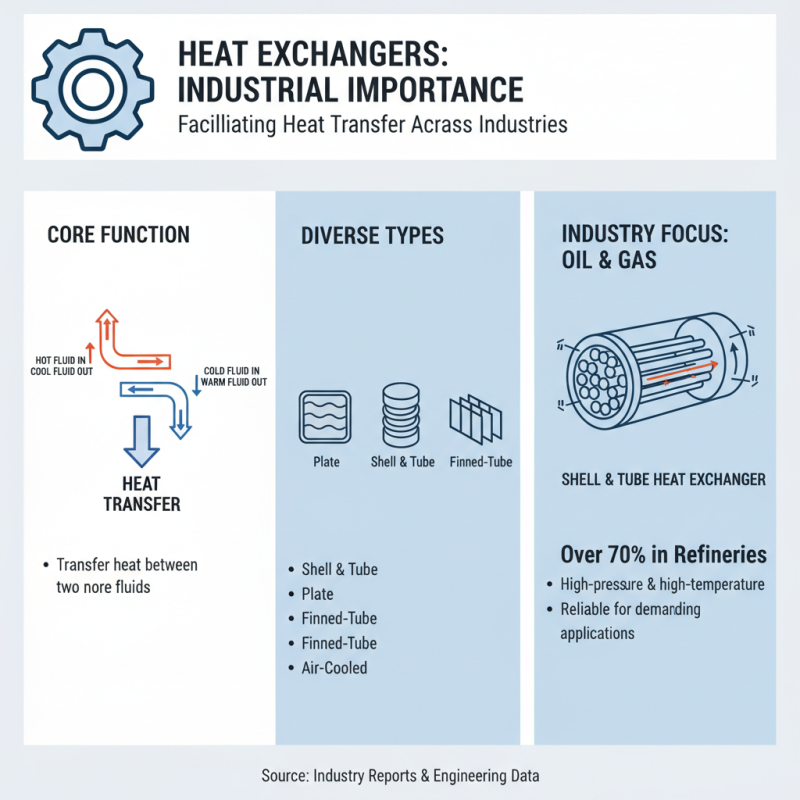
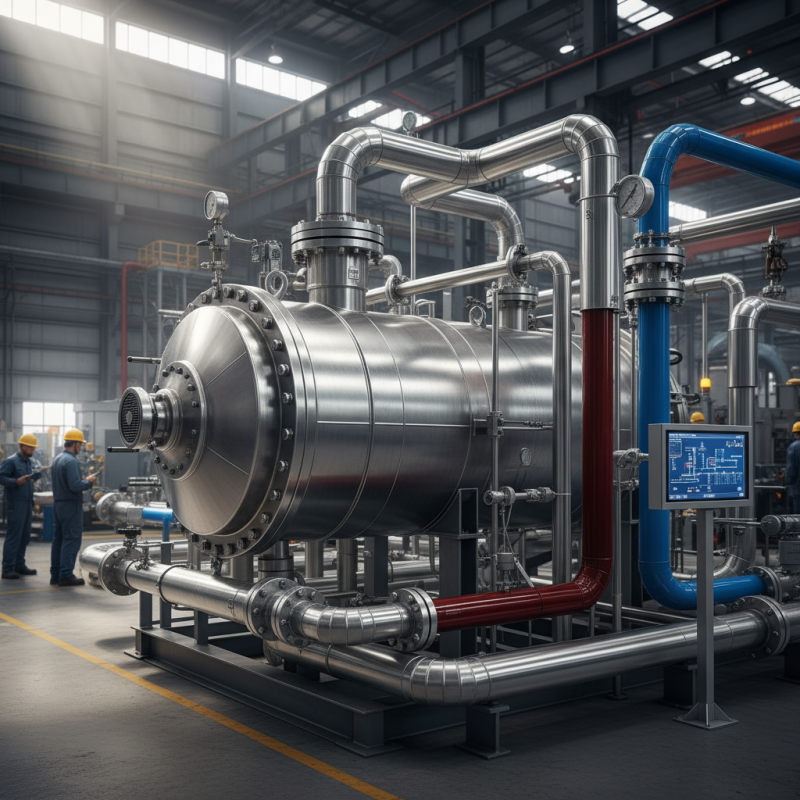
Heat exchangers play a vital role in various industrial applications. They transfer heat between two or more fluids without mixing them. In industries like oil and gas, this heat transfer is crucial for processes such as refining and petrochemical production. The design and efficiency of heat exchangers directly impact energy consumption and operational costs.
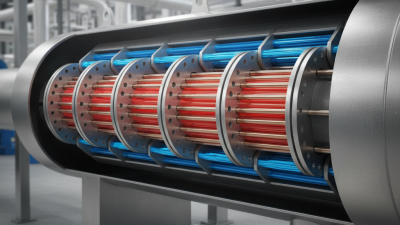
Understanding how heat exchangers function is essential. They typically consist of a series of tubes or plates where the hot and cold fluids flow. As they move through the system, one fluid absorbs heat while the other cools down. This process conserves energy and enhances system performance. However, issues like fouling and corrosion can reduce efficiency. Regular maintenance is critical, yet it is often overlooked.
In practice, choosing the right type of heat exchanger can be challenging. There are shell-and-tube, plate, and air-cooled varieties, each with pros and cons. Selecting an unsuitable design might lead to energy losses or increased downtime. Engineers must weigh factors like size, capacity, and environment to avoid these pitfalls and ensure effective heat transfer.
Key Applications of Heat Exchangers in Manufacturing and Processing
Heat exchangers play a critical role in various industrial applications. In manufacturing, they help in temperature regulation and energy recovery. According to recent industry reports, the global heat exchanger market is projected to reach $30 billion by 2025. This growth underscores the increasing reliance on efficient thermal management systems in industries.
In food processing, heat exchangers are essential for pasteurization. They ensure uniform heating and cooling, preserving product quality. A report indicates that improper temperature control can lead to a 20% reduction in product shelf life. In chemical manufacturing, these devices facilitate safe heat transfer between reactions. Yet, challenges remain. Many plants struggle with maintenance and leakage issues. These problems can hinder efficiency and safety, requiring further innovation in design and materials.
The energy sector heavily relies on heat exchangers as well. They improve the efficiency of power plants and reduce environmental impact. A study found that optimizing heat exchanger performance could yield energy savings of up to 25%. However, many facilities still face operational inefficiencies. Regular assessment and upgrades are necessary to maximize their potential and ensure sustainability.
Heat Exchanger Applications in Industry
Advantages of Utilizing Heat Exchangers in Industrial Processes
Heat exchangers play a crucial role in many industrial processes. They transfer heat between two or more fluids. The efficiency of this transfer can greatly affect overall energy consumption. According to industry reports, using heat exchangers can lead to a 20-30% reduction in energy usage in processes like chemical production and power generation. This can translate into significant cost savings.
The advantages of heat exchangers are clear. They promote energy recovery, improving sustainability. For example, in oil refineries, recovering waste heat can lower emissions. Reports indicate that effective heat recovery methods can use up to 90% of waste heat. Yet, not all systems achieve this efficiency. Some designs may require frequent maintenance. This can lead to unexpected downtime and increased operational costs.
While heat exchangers offer many benefits, companies must consider their specific needs. The initial investment can be substantial. Some may overlook the complexity of integrating new systems within existing processes. Ensuring proper sizing and material selection is vital for optimal function. A poorly chosen heat exchanger can lead to inefficiencies, prompting further examination of operational strategies.
Maintenance and Efficiency Considerations for Heat Exchanger Systems
Heat exchangers play a vital role in industrial processes. They transfer heat between two or more fluids efficiently, allowing for improved thermal management. However, maintenance and efficiency are crucial. According to a recent report by the Energy Efficiency Council, poorly maintained heat exchangers can lead to energy losses of up to 25%. This is a significant concern for industries focused on reducing operational costs.
Regular maintenance is essential for optimal performance. A study published in the Journal of Industrial Engineering found that 60% of industrial heat exchangers experience fouling, which impairs heat transfer efficiency. Fouling occurs when particles accumulate on heat transfer surfaces. Periodic cleaning can mitigate this issue. It may also enhance the lifespan of the equipment.
Efficiency assessment should not be overlooked. Monitoring temperature differentials can help identify potential problems. If there's a deviation, it may indicate operational issues. Implementing a robust maintenance schedule can mitigate such risks. Regular analysis, like infrared thermography, can identify hot spots within the exchangers, helping in preventive maintenance. This proactive approach can prevent costly shutdowns and enhance a plant's productivity.
What is the Function of a Heat Exchanger in Industrial Applications? - Maintenance and Efficiency Considerations for Heat Exchanger Systems
| Type of Heat Exchanger |
Application |
Heat Transfer Efficiency (%) |
Common Maintenance Issues |
Recommended Maintenance Frequency |
| Shell and Tube |
Oil Refining |
85 |
Corrosion, Fouling |
Every 6 Months |
| Plate |
Food Processing |
90 |
Scaling, Gasket Issues |
Annually |
| Air-Cooled |
Power Generation |
75 |
Dust Accumulation, Fan Failure |
Every 3 Months |
| Double-Pipe |
Chemical Manufacturing |
80 |
Blockages, Leaks |
Every 9 Months |