What is a Heat Exchanger and How Does it Work?
A heat exchanger is an essential device in many industries. It transfers heat between two or more fluids. These fluids can be gases or liquids. The design of a heat exchanger varies widely. Each design caters to specific applications and requirements.
Understanding how a heat exchanger works is vital. It plays a crucial role in systems like HVAC, power plants, and chemical processing. The efficiency of heat transfer impacts overall system performance. Careful consideration of materials and flow arrangements is needed. However, not all heat exchangers are created equal. Some designs may lead to inefficiencies and increased energy costs.
In real-world applications, engineers often face challenges. They must optimize heat exchangers for specific conditions. Over time, fouling can occur, reducing effectiveness. Regular maintenance is often overlooked. This can lead to costly repairs and downtime. Acknowledging these aspects is crucial in the field of thermal engineering.
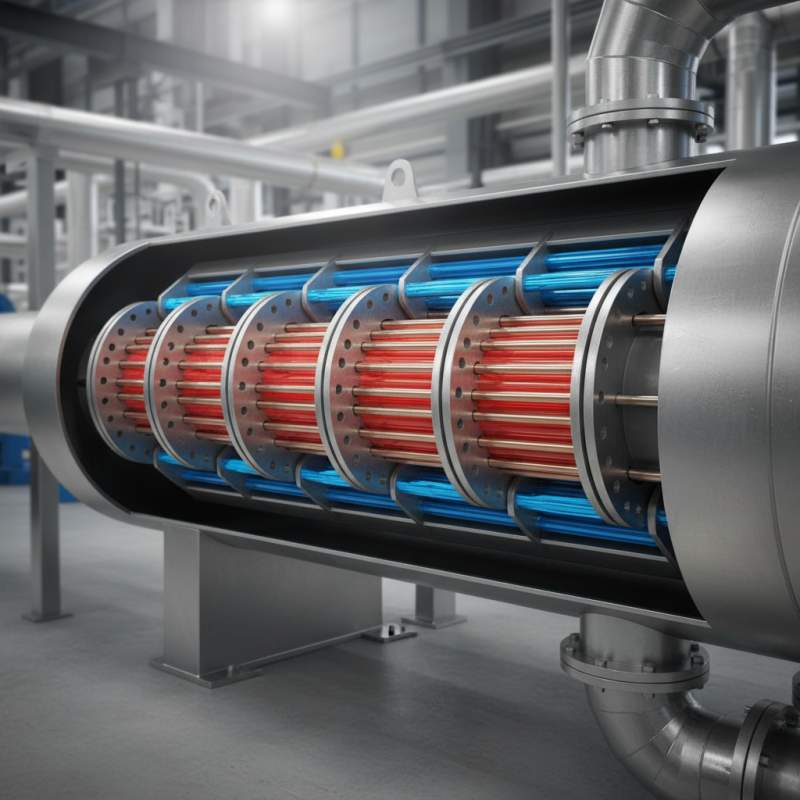
Definition and Purpose of Heat Exchangers
Heat exchangers play a vital role in countless industries. They facilitate the transfer of heat between two or more fluids without mixing them. Their primary purpose is to enhance energy efficiency in processes. According to industry reports, heat exchangers can improve energy recovery by up to 90%. This efficiency is crucial for minimizing operational costs and environmental impact.
These devices come in various types, including shell-and-tube and plate heat exchangers. Each type has unique features tailored to specific applications. For instance, shell-and-tube heat exchangers are common in oil refineries, while plate exchangers are often used in food processing. Their design influences performance and efficiency. Each type has benefits and drawbacks. Proper selection is essential for optimal performance.
However, challenges remain in heat exchanger technology. Fouling can significantly reduce efficiency and increase maintenance costs. A report highlighted that fouling issues might decrease heat transfer efficiency by 20% to 30%. Operators must regularly monitor and address these challenges. It’s a constant balancing act to maintain efficiency and performance in heat exchanger systems.
Types of Heat Exchangers and Their Applications
Heat exchangers are essential in various industries. They transfer heat between two or more fluids without mixing them. This process ensures efficiency and energy conservation.
There are several types of heat exchangers. Shell and tube exchangers are widely used in power plants. They consist of multiple tubes within a shell. Plate heat exchangers are compact and easy to clean. They are ideal for food processing. Air-cooled heat exchangers utilize air to cool fluids, saving water.
Tips: Regular maintenance is crucial. Check for leaks. This can improve efficiency. Monitor pressure drops. It can signal blockages.
Another type is the double-pipe heat exchanger. It's simple but effective. It consists of one pipe inside another. However, they might not be suitable for large-scale operations.
Tips: When selecting a heat exchanger, consider your application. Think about the size and performance needs. Proper sizing is vital for effectiveness.
Principle of Operation: How Heat Exchangers Transfer Energy
Heat exchangers are crucial in many industrial processes. They facilitate the transfer of thermal energy between two or more fluids. This mechanism is essential for heating or cooling applications. But how do they really work?
At the core of their operation is the principle of thermodynamics. When two fluids with different temperatures meet, energy naturally flows from the hotter to the cooler one. This transfer occurs through conductive surfaces in the heat exchanger. The design of the exchanger, such as plate or shell-and-tube configurations, affects the efficiency of energy transfer.
However, efficiency can be an issue. Sometimes, the fluids do not mix well. This can lead to inadequate heat transfer and wastage of energy. The materials used in construction play a role too. They can influence how well heat is exchanged. Regular maintenance is vital to ensure optimal performance. Neglect can result in fouling, which hinders energy transfer efficiency.
What is a Heat Exchanger and How Does it Work? - Principle of Operation: How Heat Exchangers Transfer Energy
| Type of Heat Exchanger |
Application |
Heat Transfer Method |
Typical Efficiency (%) |
Materials Used |
| Shell and Tube |
Oil Refineries |
Conduction and Convection |
85-95 |
Stainless Steel, Carbon Steel |
| Plate |
Chemical Processing |
Conduction |
90-95 |
Titanium, Nickel Alloys |
| Air Cooled |
Power Plants |
Convection |
75-90 |
Aluminum, Steel |
| Double Pipe |
HVAC Systems |
Conduction and Convection |
85-90 |
Copper, PVC |
| Finned Tube |
Refrigeration |
Conduction and Convection |
80-92 |
Aluminum, Copper |
Key Components of a Heat Exchanger System
A heat exchanger is essential for transferring heat between two fluids. Understanding its key components can help you appreciate how it operates. The primary elements include the heat transfer surfaces, flow paths, and the outer casing. The heat transfer surfaces are critical. These metal plates or tubes allow heat to pass while keeping the fluids separate.
Flow paths determine how the fluids circulate. They can be designed in various configurations, such as counterflow or crossflow. Different designs impact efficiency and effectiveness. The outer casing provides structural integrity. It prevents leaks and insulation losses, ensuring optimal performance. A poorly designed casing might lead to significant heat loss.
Maintenance of these components is crucial. A buildup of scale or corrosion can hinder performance. If ignored, it may cause system failures. Regular inspections and cleaning are necessary. Heat exchangers must be efficient to save energy and reduce costs. Understanding these components can lead to better design and usage, ultimately improving the overall system.
Thermal Conductivity of Different Heat Exchanger Materials
This bar chart illustrates the thermal conductivity values of various materials commonly used in heat exchanger systems. Copper has the highest thermal conductivity, making it ideal for heat transfer applications, while materials like stainless steel and carbon steel are typically used for structural integrity in less demanding thermal environments.
Maintenance and Efficiency Considerations for Heat Exchangers
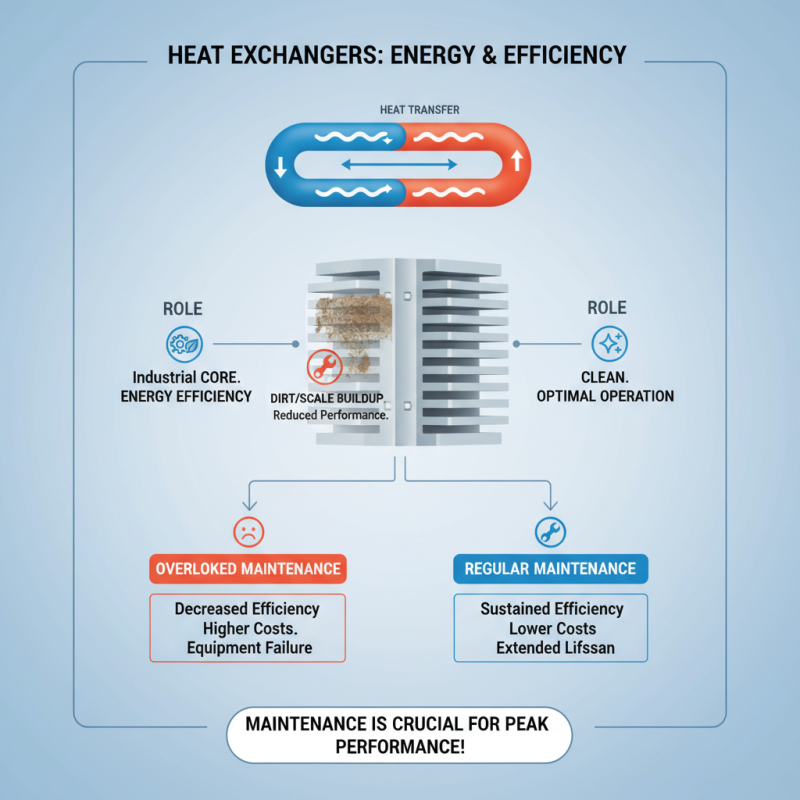
Heat exchangers are vital in many industrial applications. They transfer heat between two fluids, enhancing energy efficiency. Over time, these devices can accumulate dirt or scale. Regular maintenance is crucial to keep them operating optimally. However, some facilities may overlook this aspect.
Cleaning heat exchangers is essential but can be a challenge. Different types require various cleaning methods. For instance, chemical cleaning works well for specific deposits. Yet, some operators may underestimate the importance of routine checks. Failure to maintain equipment leads to reduced efficiency and higher energy costs.
Monitoring temperature and pressure drop across the heat exchanger is necessary. This helps identify potential issues early on. Ignoring these signs can result in costly downtime. It's pivotal to address even minor concerns promptly. A proactive maintenance approach improves lifespan and efficiency. In the end, solid maintenance practices ensure reliable operation in the long run.