Heat Exchanger Cost Guide for Global Buyers in 2026
In the rapidly evolving HVAC industry, understanding Heat Exchanger Cost is crucial for global buyers in 2026. As energy efficiency becomes a priority, the demand for advanced heat exchangers continues to rise. According to a recent report by Global Market Insights, the heat exchanger market is projected to exceed $23 billion by 2026. This growth is fueled by the rising need for sustainable technologies across various sectors.
Expert Paul R. Weisz, a renowned figure in thermal management solutions, emphasizes the importance of cost transparency. He stated, "Investing in quality heat exchangers now can save substantial costs in the long run." This insight underlines the reality that buyers must consider both upfront costs and potential savings from energy efficiency.
Navigating the complexities of heat exchanger pricing can be daunting. Factors such as materials, design, and application significantly influence costs. The challenge lies in finding a balance between performance and affordability. As the industry evolves, staying informed on Heat Exchanger Cost will be key for making strategic purchasing decisions.
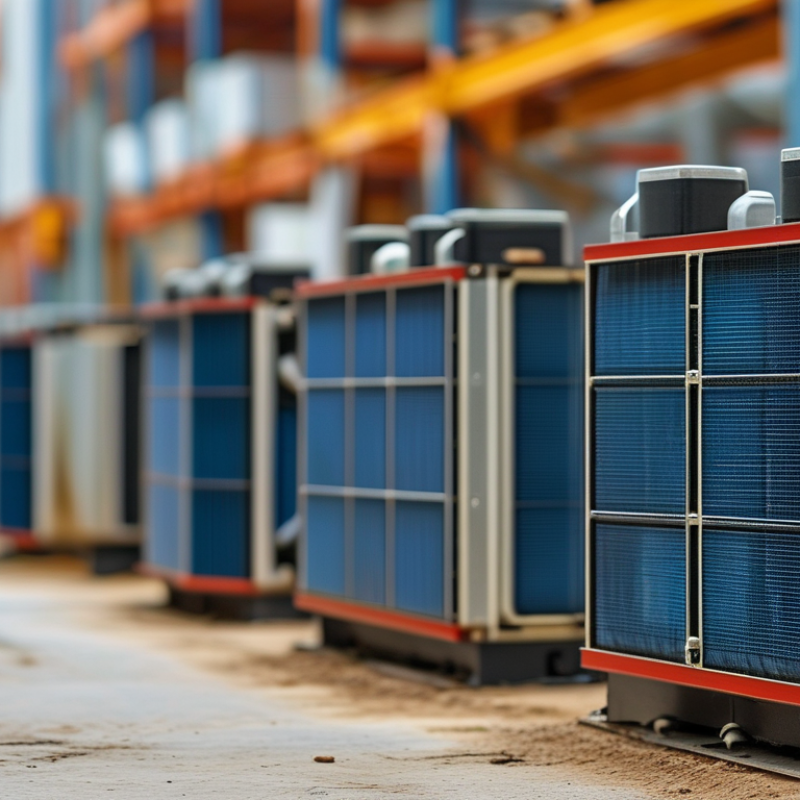
Overview of Heat Exchanger Types and Their Applications
Heat exchangers are crucial components in various industries. They facilitate the transfer of heat between two or more fluids. Understanding the different types can help users make informed decisions.
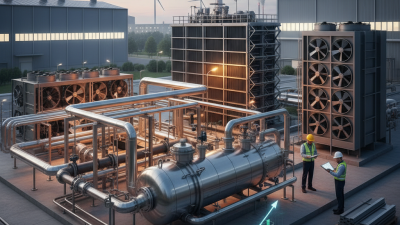
Shell and tube heat exchangers are widely used in petrochemical applications. They feature a series of tubes, one set carrying hot fluid and another for cold fluid. This design offers durability but can be challenging to maintain.
Air-cooled heat exchangers, on the other hand, utilize ambient air for cooling. They are ideal for places with limited water access but may have lower efficiency in high-temperature settings.
Plate heat exchangers are compact and efficient. They consist of multiple plates, creating narrow channels for fluid flow. However, they may require frequent cleaning due to fouling. Each type has unique benefits and drawbacks, depending on the application. It's essential to evaluate the specific needs of your project before deciding.
Factors Influencing Heat Exchanger Costs in 2026
In 2026, several critical factors will shape the costs of heat exchangers globally. Material prices are one of the most influential aspects. For example, copper and aluminum fluctuations can cause significant changes. When global demand spikes, costs will likely rise. Buyers must stay informed about market trends.
Labor costs also play a role. The availability of skilled workers affects production rates. Regions with labor shortages may see higher prices. Moreover, manufacturing techniques influence costs. Advanced processes, while efficient, can be more expensive.
Energy prices are another consideration. Rising energy costs directly impact manufacturing expenses. Companies might raise their prices to maintain margins. Lastly, regulatory changes can alter compliance costs. Frequent updates may lead to unforeseen expenses. Buyers should regularly reassess their suppliers to ensure they remain competitive.
Regional Price Variations for Heat Exchangers Worldwide
In 2026, the global market for heat exchangers will reflect diverse regional pricing variations. Reports indicate that manufacturing costs will surge in North America due to an increase in raw material prices. Analysts project a potential rise of 8-10% in the costs of heat exchangers there. This region relies heavily on imports, which may further inflate costs.
Meanwhile, the Asia-Pacific region shows a different trend. Competitive manufacturing practices in countries like China and India may keep prices more stable. A recent survey noted that average prices could increase by only 3-4% in this region. However, geopolitical tensions could disrupt supply chains, leading to unexpected fluctuations.
Europe remains in a middle ground. Emerging environmental regulations push prices up as manufacturers invest in eco-friendly technologies. Current estimates suggest a potential price hike of 5-7% across the continent. Yet, there remains uncertainty about how these regulations will evolve, which could lead to longer-term volatility. With all these regional differences, global buyers must take a nuanced approach. Decisions should be informed by local economic conditions, regulations, and industry reports.
Key Suppliers and Market Dynamics in the Heat Exchanger Industry
The heat exchanger market is evolving rapidly. According to a recent report by Market Research Future, the global heat exchanger market is expected to reach approximately $20 billion by 2026, driven by increasing demand across various sectors. Key factors include energy efficiency and technological advancements that enhance performance.
Major suppliers in the industry are adopting innovative strategies. They prioritize sustainability while improving product longevity. Many companies are focusing on carbon footprint reduction. However, a challenge remains: balancing cost management and quality assurance. As manufacturers innovate, some may struggle to meet stringent regulations worldwide.
The competitive landscape requires attention to market dynamics. Rising raw material costs could impact pricing strategies. Buyers must remain informed about supplier reliability. Continuous assessment is crucial to navigate potential regional supply chain disruptions. Understanding these dynamics will empower global buyers to make better procurement decisions in this complex environment.
Future Trends and Innovations Impacting Heat Exchanger Pricing
The heat exchanger market is evolving rapidly. Innovations such as advanced materials and digital monitoring are changing pricing dynamics. As buyers prepare for 2026, understanding these trends is essential.
New materials like graphene and lightweight alloys boost efficiency. However, this could lead to higher initial costs. The long-term benefits might justify these prices. It's crucial to analyze both immediate and future costs when making purchasing decisions.
Tips: Consider the lifecycle of the heat exchanger. Investigate how different designs affect energy consumption. Also, stay updated on technological advancements to ensure you choose the best option for your needs. Unforeseen maintenance issues can arise, so planning ahead is vital.
Digital monitoring solutions are becoming standard. They help optimize performance and reduce downtime. This greater efficiency might offset initial investments in technology. However, be cautious of relying solely on digital tools. A blend of human expertise and technology often yields the best results.
Heat Exchanger Cost Guide for Global Buyers in 2026
| Region |
Average Cost (USD) |
Material Type |
Expected Growth Rate (%) |
Key Innovations |
| North America |
$12,000 |
Stainless Steel |
5% |
Smart Sensors, Enhanced Efficiency |
| Europe |
$10,500 |
Copper |
4% |
Lightweight Designs, AI Optimization |
| Asia Pacific |
$9,000 |
Aluminum |
6% |
Modular Systems, Eco-friendly Materials |
| Latin America |
$8,000 |
Carbon Steel |
3% |
Heat Recovery Solutions, 3D Printing |
| Middle East & Africa |
$11,000 |
Nickel Alloy |
4.5% |
Corrosion Resistance, Digital Twin Technology |