What is Heat Exchanger Function and How Does It Work?
Heat exchangers play a crucial role in various industries, facilitating the transfer of heat between fluids. Their function is essential for energy efficiency and process optimization. According to a recent report by the International Energy Agency (IEA), heat exchangers can improve energy efficiency by up to 30% in industrial applications. This underscores their importance in tackling energy consumption and sustainability challenges.
Dr. Anne Mitchell, a leading expert in thermal systems, states, "Understanding the Heat Exchanger Function is key to enhancing operational efficiency." Her insights echo the necessity of mastering the principles of heat exchange to optimize systems. Although heat exchangers are widely used, misconceptions about their functionality persist. Many professionals grapple with selecting the right type for specific applications. This can lead to inefficiencies and increased operational costs.
As industries aim for greener practices, the relevance of the Heat Exchanger Function cannot be overstated. A strategic understanding of their design and integration can greatly impact overall performance. Nonetheless, ongoing reflection on current practices is required. There's always room for improvement and innovation in this field.
Heat Exchanger: Definition and Purpose in Thermal Systems
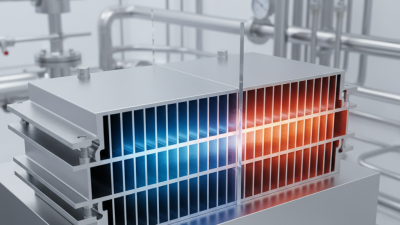
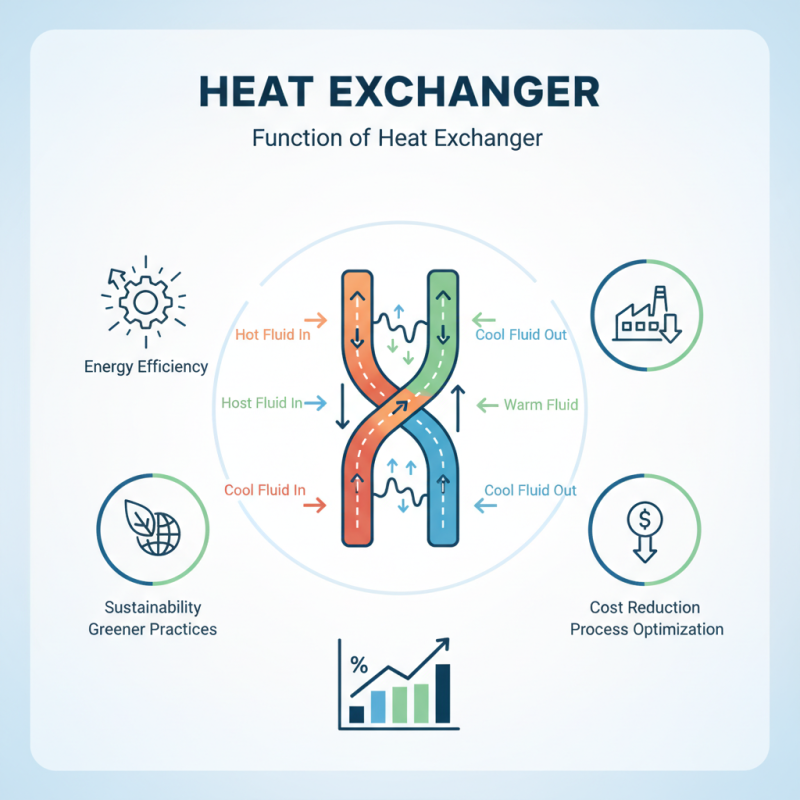
Heat exchangers play a crucial role in thermal systems. They are devices designed to transfer heat efficiently between two or more fluids without mixing them. This process allows for energy recovery and helps maintain optimal temperature conditions in various applications, such as heating, cooling, and power generation.
The purpose of a heat exchanger is to improve energy efficiency. For instance, in industrial processes, they can recover waste heat from exhaust gases and use it to preheat incoming fluids. This reduces energy consumption and lowers operational costs. However, improper design or maintenance can lead to inefficiencies. Issues such as fouling or corrosion may arise, affecting performance. Thus, regular inspection is necessary.
In residential systems, heat exchangers are found in furnaces and air conditioning units. They ensure that the indoor environment remains comfortable. However, homeowners may overlook their importance. Failing to maintain these systems can result in significant energy losses. Addressing potential problems early is vital for staying energy-efficient. Understanding how heat exchangers function helps consumers make informed decisions about their energy use and system maintenance.
Types of Heat Exchangers: A Comparative Overview
Heat exchangers play a crucial role in various industrial applications. Understanding their types can help improve energy efficiency and system performance. Common types include shell and tube, plate, and air-cooled heat exchangers. Each type has its advantages and limitations, impacting efficiency and maintenance.
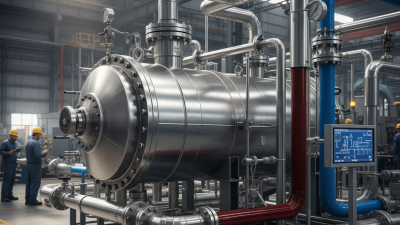
Shell and tube heat exchangers are popular in oil refineries, with a heat transfer area that can exceed 3,000 square feet. They handle high pressures well but can be challenging to clean. Plate heat exchangers are compact and efficient, suitable for food and beverage industries, allowing for easy cleaning. However, they may not handle high-pressure applications as effectively.
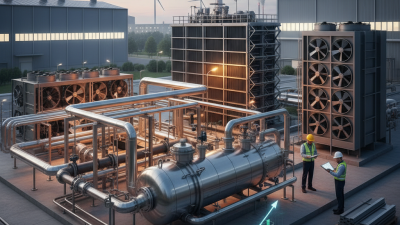
**Tip:** Consider the specific application needs when selecting a heat exchanger type. Air-cooled heat exchangers are perfect for locations with limited water supply, but their efficiency can drop in high ambient temperatures. Always weigh the pros and cons of each type to ensure optimal performance.
An industry report estimates that heat exchangers can improve energy efficiency by up to 30%. However, undersized units can lead to inefficiencies. Regular maintenance is key. Keep in mind that understanding each type’s functionality will lead to better decision-making in system design and operation.
What is Heat Exchanger Function and How Does It Work? - Types of Heat Exchangers: A Comparative Overview
| Type of Heat Exchanger |
Function |
Efficiency (%) |
Applications |
| Shell and Tube |
Transfers heat between two fluids in separate tubes |
85-90 |
Petrochemical plants, oil refining |
| Plate |
Utilizes plates to create a large surface area for heat transfer |
90-95 |
Food processing, HVAC |
| Air-Cooled |
Uses air to cool or heat a fluid |
70-80 |
Power plants, refrigeration systems |
| Double Pipe |
Simple design featuring two concentric pipes |
70-85 |
Heating and cooling processes in laboratories |
| Spiral |
Features spiral flow paths for enhanced mixing and heat transfer |
85-90 |
Chemical and pharmaceutical industries |
Principles of Heat Transfer: Conduction, Convection, and Radiation
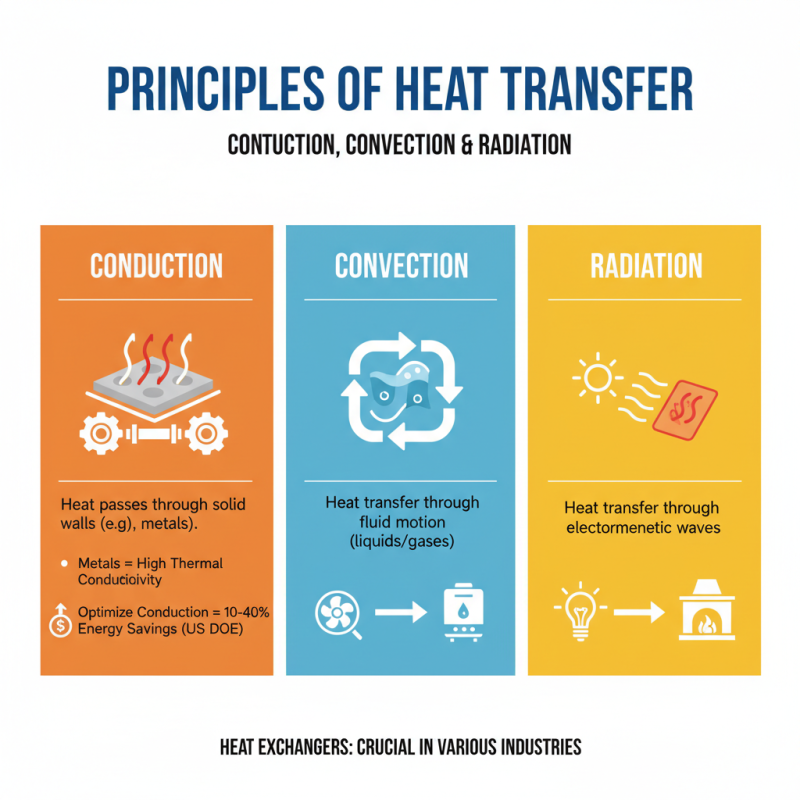
Heat exchangers play a crucial role in various industries, utilizing the principles of heat transfer: conduction, convection, and radiation. Conduction occurs when heat passes through solid walls of the exchanger. For example, metals, with their high thermal conductivity, facilitate efficient heat transfer. The U.S. Department of Energy reported that optimizing conduction in heat exchangers could yield energy savings of about 10-40%.
Convection takes place when heat is transferred through fluids. In heat exchangers, this process involves the movement of liquids or gases. Forced convection, often enhanced by fans or pumps, improves efficiency. Studies estimate that incorporating advanced convection strategies can increase the thermal performance by up to 25%. Radiative heat transfer, although less significant in many exchangers, still plays a role. It occurs via electromagnetic waves, particularly at high temperatures.
Despite the advancements in heat exchanger design, challenges persist. Surface fouling can impede efficiency, diminishing heat transfer rates. Also, improper sizing can lead to over-expenditure or underperformance. Continuous monitoring and improvements in design, based on real-time data, are essential to enhance reliability. Understanding these heat transfer principles is vital for optimizing energy usage.
Efficiency Metrics: Assessing Heat Exchanger Performance
Heat exchangers are critical components in many industrial processes. They enable the transfer of heat between two or more fluids. Efficiency is key in assessing their performance. Identifying how much heat energy is transferred can provide insights into operational effectiveness.
One primary metric for evaluation is the thermal effectiveness. This calculates the heat transfer between the fluids compared to the maximum possible heat transfer. Another important metric is the pressure drop. Excessive pressure drop can indicate inefficiencies, causing increased energy consumption. Regular maintenance can help reduce these losses.
Understanding fouling is essential. It can significantly impact performance over time. Accumulated deposits on heat transfer surfaces can lead to decreased efficiency. Analyzing these factors reveals areas for potential improvement. Addressing these issues can optimize the heat exchanger's function and longevity. These metrics are vital for making informed decisions in system design and operation.
Applications in Industries: From HVAC to Power Generation Systems
Heat exchangers are essential components in various industries. They transfer heat between two or more fluids without mixing them. This process is crucial in sectors like HVAC, power generation, and even chemical processing.
In HVAC systems, heat exchangers improve energy efficiency. They can be found in air conditioning units and heating systems. By transferring heat from one space to another, they enhance comfort while minimizing energy costs. For industrial applications, these systems manage heat in power plants. They assist in cooling down hot gases before releasing them into the atmosphere.
Tip: Regular maintenance of heat exchangers is vital. It prevents fouling and enhances efficiency. Clean heat exchanger surfaces ensure optimal performance in any application.
Power generation systems use heat exchangers to recover energy. They often utilize steam to drive turbines, making them efficient. However, improper design or malfunction can lead to reduced energy output. Engineers must carefully consider materials and flow rates. Efficiency can vary greatly based on design.
Tip: Always monitor performance data. Small changes can signal larger issues, enabling timely interventions. Keeping a close eye on these metrics helps maintain system reliability.