Why is Heat Exchanger Cost Important for Global Buyers?
Understanding Heat Exchanger Cost is crucial for global buyers in the competitive industrial landscape. Industry expert Dr. Jane Smith emphasizes, "Cost-efficiency can make or break a project." This statement resonates deeply as international clients navigate pricing complexities.
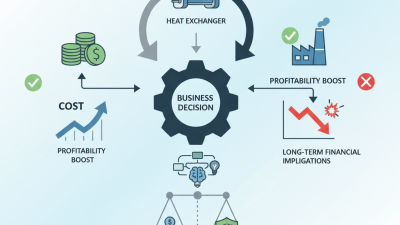
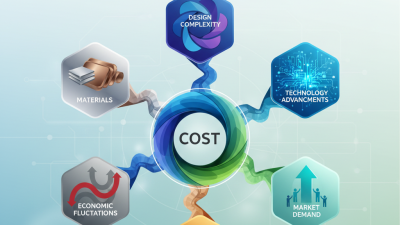
In today’s market, the cost of heat exchangers directly impacts budgets and decision-making. Factors such as materials, design, and energy efficiency play significant roles. Buyers must consider not just the purchase price, but also long-term operational expenses. It is essential to balance upfront costs with future savings.
Moreover, fluctuations in raw material prices create unpredictability. Buyers often face challenges in forecasting expenses accurately. Recognizing the intricate relationship between cost and value is vital. Engaging with trusted suppliers can mitigate risks. Reliable partnerships can enhance cost-effectiveness. However, understanding all variables remains a daunting task for many buyers. Each decision carries weight in this multifaceted process.
Importance of Heat Exchanger Cost in Global Supply Chains
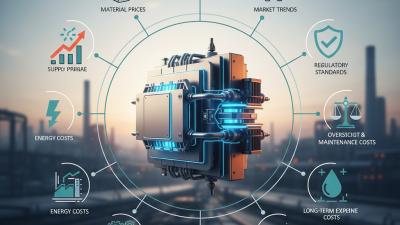
The cost of heat exchangers plays a crucial role in global supply chains. It impacts the overall operational budget of companies worldwide. Understanding these costs helps businesses make informed decisions. A slight change in prices can lead to significant shifts in project feasibility. Companies must stay alert to these fluctuations.
When procuring heat exchangers, global buyers need to assess their total cost of ownership. This includes initial purchase costs, installation expenses, and maintenance fees. Unexpected costs can stem from poor-quality equipment. While cheaper options may seem appealing, they often result in higher long-term expenses. Assessing reliability and performance is essential.
Moreover, the global nature of supply chains adds complexity. Logistics, currency fluctuations, and varying labor costs all affect pricing. Businesses need to consider these factors when budgeting for heat exchanger purchases. Regular review of suppliers and market conditions is vital. Striking a balance between cost and quality requires vigilance and strategy. Buyers must prioritize reliability to avoid disruptions in their operations.
Market Trends Influencing Heat Exchanger Prices
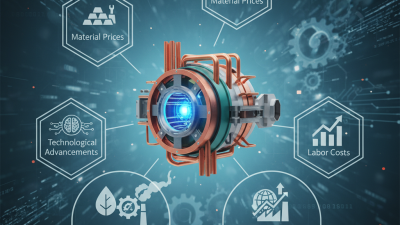
The cost of heat exchangers significantly impacts global buyers. Several market trends influence these prices. First, raw material costs are rising. Fluctuations in metals like copper and aluminum can lead to increased production expenses. Buyers must be aware of these changes. They can also affect pricing strategies in various regions.
Global demand plays a crucial role. Emerging markets are experiencing growth in industries that require heat exchangers. As demand increases, prices may rise as well. Buyers need to monitor these trends closely. Competition among suppliers can also vary. Some suppliers might cut prices to gain market share.
Additionally, innovation affects pricing. New technologies can lead to more efficient designs. While these innovations can increase initial costs, they may save buyers money in the long run. Understanding the balance between upfront investment and future savings is essential. Furthermore, as regulations change, compliance costs could impact pricing. Buyers face challenges and opportunities in this evolving market landscape.
Impact of Material Costs on Heat Exchanger Economics
Understanding material costs is critical for heat exchanger economics. With rising prices of metals and alloys, the total cost of a heat exchanger can increase significantly. Buyers need to grasp how these materials influence their budget, given that costs can vary widely based on market conditions and material properties. Buying decisions are often swayed by the anticipated longevity and efficiency of these materials in different applications.
Choosing the right materials can make a difference. For instance, stainless steel and titanium often provide durability but at a higher price. Conversely, carbon steel may be cheaper but could compromise efficiency in corrosive environments. Buyers must assess their specific needs against the costs of materials to determine the best option. Regularly reviewing market trends can help in making informed decisions.
Consider checking with multiple suppliers for material pricing. Don't hesitate to ask about alternative materials that may offer similar performance at a lower cost. This proactive approach can lead to better pricing and more strategic choices. Evaluating lifecycle costs rather than just upfront expenses can provide a clearer picture of overall value.
Role of Energy Efficiency in Heat Exchanger Investment Returns
When it comes to heat exchangers, energy efficiency plays a vital role in investment returns. Global buyers need to look beyond the upfront costs. A more efficient heat exchanger can lower energy consumption significantly. This reduction translates directly into cost savings over time. Buyers often focus on the initial price but overlook long-term benefits. Investing in energy-efficient models might seem pricier initially, but the savings can be substantial.
Many companies fail to conduct thorough analyses on energy efficiency. They miss out on potential savings. An efficient heat exchanger might have a higher price tag, but it pays for itself through reduced operational costs. An organization’s return on investment hinges on how much energy it saves in daily operations. Increased efficiency often leads to lower greenhouse gas emissions. This factor has become increasingly important in today's market.
However, understanding energy efficiency and its impact can be complex. Not all buyers have the expertise to analyze these factors. Some may rely on outdated data or trends. This can lead to poor investment decisions. Investing in proper consultations or expert analyses is crucial. Without a solid grasp of these elements, buyers risk losing capital in the long run. A clear understanding can transform mere costs into valuable investments for a sustainable future.
Comparative Analysis of Heat Exchanger Expenses Across Industries
Heat exchangers are critical components in various industries. Their costs can vary significantly, impacting production budgets and operational efficiency. A recent industry report shows that heat exchanger expenses can account for up to 30% of a plant's capital expenditure. This percentage emphasizes the need for global buyers to understand the cost implications across different sectors.
In the chemical industry, the average cost per unit for heat exchangers is typically higher due to the rigorous standards required for materials. In contrast, the food processing sector often employs less expensive options, though high hygiene standards can drive costs up. Understanding these nuances can help buyers make informed decisions. Buyers should consider lifecycle costs, not just upfront expenses, as maintenance and operational costs can significantly affect total expenditures.
Engaging with industry reports and data is essential to understand this equipment's price dynamics. Analyzing past expenditure trends can reveal patterns. It’s also wise to evaluate suppliers based on their expertise and reliability. Look for suppliers with a proven track record. This approach can better align expectations with reality, avoiding potential pitfalls and enhancing decision-making processes.
Why is Heat Exchanger Cost Important for Global Buyers? - Comparative Analysis of Heat Exchanger Expenses Across Industries
| Industry |
Average Cost ($) |
Cost Variation (%) |
Main Application |
| Oil & Gas |
20,000 |
10-15% |
Crude oil heating |
| Chemical Processing |
15,000 |
8-12% |
Heat recovery |
| Food & Beverage |
12,000 |
5-10% |
Pasteurization |
| HVAC |
8,000 |
7-11% |
Cooling systems |
| Pharmaceuticals |
25,000 |
12-18% |
Pure product heating |
| Power Generation |
30,000 |
15-20% |
Steam heating |