Top 10 Factors Influencing Heat Exchanger Cost in China?
The heat exchanger cost is a critical factor for industries in China. Various elements influence this cost significantly. Understanding these factors helps manufacturers budget effectively.
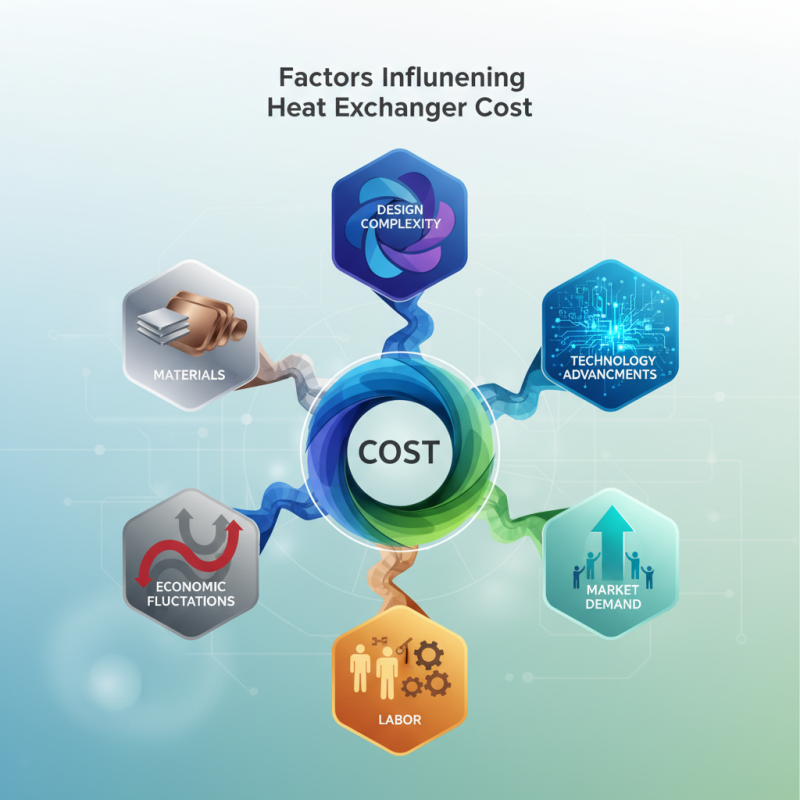
Materials play a major role. High-quality materials increase durability but raise prices. Design complexity is also essential. A more intricate design often leads to higher production costs. Furthermore, technology advancements can result in added expenses but improve efficiency in the long run.
Labor costs contribute to the overall expenditure as well. Skilled workers are necessary for producing high-quality heat exchangers. Economic fluctuations and market demand further affect pricing. Companies must adapt to these changes to remain competitive. Exploring these factors reveals opportunities, yet challenges persist in balancing cost and quality.
Factors Affecting Material Costs for Heat Exchangers in China
The cost of materials for heat exchangers in China is influenced by various key factors.
Raw material prices vary significantly.
This fluctuation can be attributed to market demand, availability, and import tariffs.
Steel, copper, and aluminum are common materials. Each of these metals experiences price volatility,
largely due to global supply chains.
Labor costs also play a critical role.
Skilled labor is necessary for precision manufacturing. However, labor costs can increase with
regional economic changes.
The labor market can be unpredictable, affecting the final pricing of heat exchangers.
Another factor is production technology.
Advanced manufacturing processes can increase initial costs but improve long-term efficiency and durability.
Environmental regulations are an additional critical aspect. Compliance with these rules may raise
material costs.
Businesses often face challenges in balancing costs with compliance.
The dynamic market in China requires constant monitoring and adaptability.
Energy prices also fluctuate, impacting overall expenses.
All these factors create a complex pricing landscape and necessitate ongoing reflection and strategy adjustments.
Impact of Labor Costs on Heat Exchanger Manufacturing
Labor costs play a significant role in the manufacturing of heat exchangers in China. Skilled labor is essential for quality production. As demand rises, so do labor costs. This trend can impact the total cost of heat exchangers. Companies must balance quality and cost to remain competitive.
Tips: Focus on training employees. A well-trained workforce can increase efficiency. But training requires time and investment, which may not always yield immediate results. It's crucial to assess the return on investment.
Labor costs are influenced by several factors. Urbanization leads to higher living expenses. Workers in cities expect more wages. Yet, rural areas may offer cheaper labor. Companies must decide where to source labor. This decision affects overall production costs.
Tips: Consider outsourcing options. It might save money, but can also lead to quality concerns. Companies should weigh the pros and cons of outsourcing labor against local production. Finding the right balance is essential for long-term success.
Top 10 Factors Influencing Heat Exchanger Cost in China
| Factor |
Description |
Impact Level (1-10) |
Cost Contribution (%) |
| Labor Costs |
Wages and benefits for manufacturing workers |
8 |
30% |
| Material Prices |
Cost of raw materials used in production |
9 |
25% |
| Manufacturing Technology |
Investment in advanced manufacturing processes |
7 |
15% |
| Regulatory Compliance |
Costs associated with meeting standards |
6 |
10% |
| Energy Costs |
Electricity and fuel costs for production |
8 |
10% |
| Supply Chain Efficiency |
Logistics and delivery performance |
5 |
5% |
| Market Demand |
Current demand within the industry sector |
10 |
5% |
| Labor Productivity |
Output per labor hour |
7 |
3% |
| Custom Design Requirements |
Costs related to tailored heat exchanger designs |
9 |
5% |
| R&D Costs |
Investment in research and development |
6 |
2% |
Technological Advancements and Their Influence on Pricing
Technological advancements play a significant role in determining heat exchanger costs in China. As the industry evolves, new materials and manufacturing processes emerge. These innovations can lead to both cost reductions and increases. For example, the adoption of advanced alloys can enhance efficiency but may also raise material costs.
In recent years, research by industry experts indicates that incorporating digital technologies can streamline production. Automation in factories reduces labor costs and improves precision. A report from a recent market analysis revealed that automation could potentially lower manufacturing costs by up to 20%. However, the initial investment in technology can be high, posing a financial risk for smaller businesses.
Tips: Explore new material options. They may offer better durability at a reasonable price. Consider the long-term benefits over upfront costs. Additionally, keep an eye on market fluctuations. Prices can shift due to technological changes or global demand. Always analyze the balance between innovation and expense before making procurement decisions.
Regulatory Compliance and Its Cost Implications
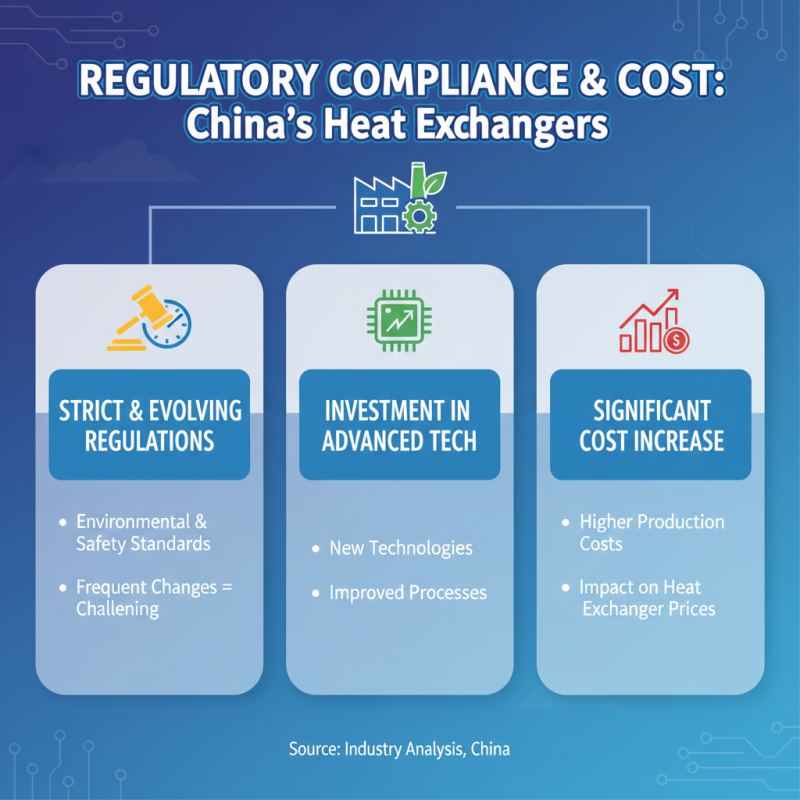
When considering the cost of heat exchangers in China, regulatory compliance plays a significant role. Companies must adhere to strict environmental and safety standards. These regulations evolve frequently, making compliance challenging for manufacturers. Meeting these standards often requires investment in advanced technologies and processes. Such investments can increase production costs significantly.
Additionally, failure to comply can lead to heavy fines and project delays. This uncertainty often complicates budgeting for new projects. Manufacturers might have to adjust their strategies to align with changing regulations. The potential for non-compliance adds another layer of risk. Some companies may overlook these aspects, focusing only on immediate costs. This approach could lead to larger financial issues in the future.
Moreover, regulatory requirements can also affect material choices. For example, specific materials may be necessary for compliance, driving up costs. Sometimes, cheaper alternatives are tempting but can lead to long-term complications. Striking a balance between cost, quality, and compliance remains a persistent challenge in the heat exchanger industry. Achieving compliance is not just an added expense; it's a crucial part of sustainable business practice.
Market Demand Fluctuations and Their Effect on Heat Exchanger Costs
Market demand for heat exchangers in China is significantly affected by industry fluctuations. As industries expand or contract, the need for efficient heat exchangers varies. This directly impacts pricing of these essential components. When there is increased production in sectors like energy or manufacturing, demand surges, leading to higher costs.
Conversely, during economic downturns or oversupply, prices tend to drop. Companies face challenges in forecasting demand accurately. This can result in either excess inventory or shortages. Manufacturers must remain adaptable to sudden changes in market conditions. A rigid approach may lead to lost opportunities or financial strain.
Furthermore, seasonal variations also play a role. Certain industries see peak demand at specific times. This can create pricing volatility that complicates budgeting efforts. Companies should review historical trends to make informed decisions. Continuous monitoring of demand patterns is crucial for aligning production strategies with market realities.