Top 10 Heat Exchangers Every Buyer Should Consider?
In the competitive world of industrial equipment, selecting the right Heat Exchanger is critical. According to Dr. Sarah Johnson, a leading expert in thermal engineering, "Investing in the right Heat Exchanger can significantly improve energy efficiency." This insight highlights the importance of making informed choices.
Heat Exchangers come in various types and designs. Each model caters to specific applications and operational requirements. Understanding these differences is essential for optimizing performance in any facility. The efficiency and durability of a Heat Exchanger can lead to substantial cost savings. However, selecting the wrong unit can result in inefficiencies.
With so many options available, it becomes challenging to determine the best choices. Many buyers overlook critical factors, leading to regret later. By considering expert advice and evaluating distinct features, buyers can make smarter decisions. This guide outlines the top 10 Heat Exchangers worth considering, emphasizing the importance of careful selection.
Understanding Heat Exchangers: Types and Applications
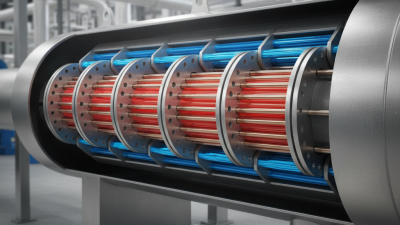
Heat exchangers are essential devices in various industries. They transfer heat from one medium to another, improving energy efficiency. There are several types, each suited for specific applications. Common types include shell-and-tube, plate, and finned-tube exchangers. Shell-and-tube is versatile, often used in oil refineries. Plate exchangers are compact and efficient, ideal for food processing.
Understanding the application of each type is crucial. For instance, finned-tube heat exchangers are popular in HVAC systems. They maximize surface area for heat transfer. However, not all applications will benefit equally from every type. Smaller installations might find plate heat exchangers too powerful and costly. Reflecting on these mismatches reveals the importance of proper selection.
In industries like chemical processing, the choice of heat exchanger impacts performance. Selecting the right materials is also vital. Stainless steel is corrosion-resistant but costly. Alternatively, carbon steel offers affordability but less durability. Buyers must weigh their needs and available budget. Balancing efficiency and cost can be challenging yet necessary for long-term success.
Top 10 Heat Exchangers Every Buyer Should Consider
| Type |
Application |
Material |
Efficiency (%) |
Price Range (USD) |
| Shell and Tube |
Oil Refineries |
Carbon Steel |
85 |
$500 - $3500 |
| Plate |
HVAC Systems |
Stainless Steel |
90 |
$300 - $2500 |
| Air-Cooled |
Power Plants |
Aluminum |
75 |
$1000 - $5000 |
| Double-Pipe |
Food Processing |
Copper |
80 |
$200 - $1800 |
| Fin Tube |
Chemical Processing |
Titanium |
88 |
$800 - $4200 |
| Spiral |
Waste Heat Recovery |
Stainless Steel |
90 |
$1200 - $4000 |
| Heat Pipe |
Refrigeration |
Aluminum |
95 |
$150 - $1500 |
| Brazed Plate |
Industrial HVAC |
Stainless Steel |
92 |
$600 - $2000 |
| Liquid-to-Liquid |
Pharmaceuticals |
Carbon Steel |
85 |
$400 - $3000 |
Key Factors to Consider When Selecting a Heat Exchanger
Choosing the right heat exchanger is crucial for efficiency and performance. Understanding key factors can significantly impact operational costs and system longevity.
Material selection is essential. Common materials include stainless steel and titanium. Each offers different corrosion resistance and thermal conductivity, which affects overall efficiency.
Capacity is another critical factor. Determine the required heat transfer rate based on your specific application. Studies indicate that improperly sized heat exchangers can lead to a 10-15% decrease in efficiency.
Additionally, consider the pressure drop across the exchanger. A significant pressure drop can signal inefficiency and lead to increased energy costs.
Maintenance requirements also matter. Some designs are more accessible for cleaning and repairs. A well-maintained unit can last longer and operate efficiently. Research shows that routine maintenance can prevent up to 30% of potential operational failures. Buyers must also evaluate the operating environment, including temperature and pressure conditions, to ensure compatibility.
Following these guidelines can help avoid costly mistakes and enhance the reliability of your heat transfer systems.
Top 10 Heat Exchangers: Features and Benefits of Each Type
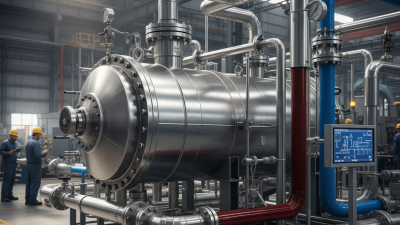
When selecting a heat exchanger, understanding the types available is essential. Each type offers unique features and benefits tailored to various applications. For instance, shell-and-tube heat exchangers are widely used for their efficiency in heat transfer. They consist of multiple tubes, allowing for high pressure and temperature operation. Their robust design makes them ideal for industries like oil and gas.
Plate heat exchangers, meanwhile, are praised for their compact size. They use thin plates to transfer heat, ensuring efficient heat exchange in a smaller footprint. These units are easy to maintain, but they may not handle high pressures as effectively as shell-and-tube designs. The choice between these models often hinges on space constraints and required heat transfer efficiency.
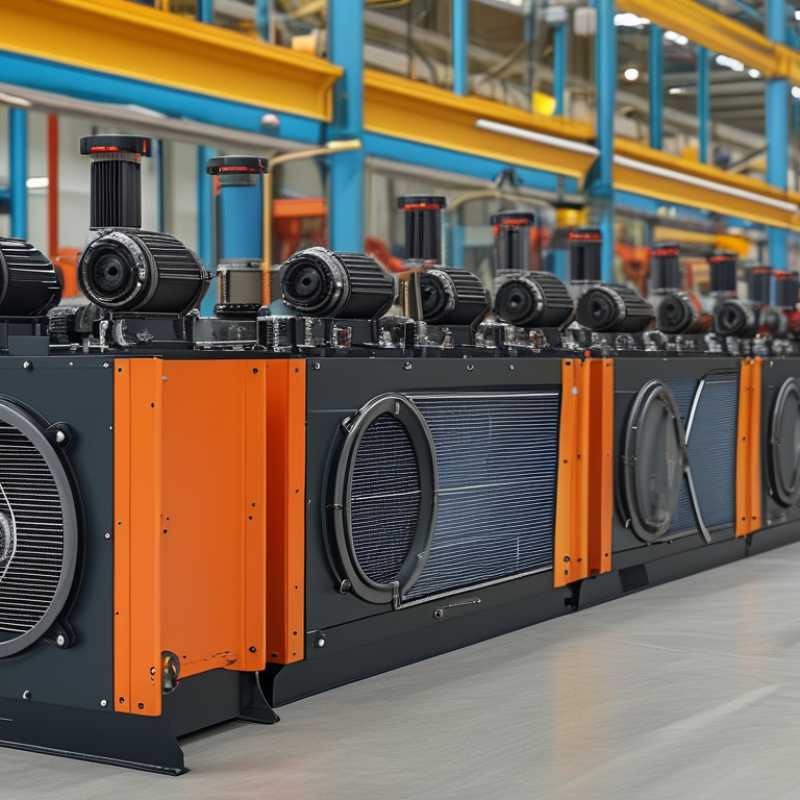
Air-cooled heat exchangers offer a different approach. They rely on ambient air to cool fluids, making them eco-friendly and reducing water usage. This type is prevalent in power plants but may face efficiency challenges in humid conditions. Ultimately, understanding these differences allows buyers to make informed decisions based on specific operational needs. Refinement of choices may be necessary as industries evolve and operational demands change.
Top 10 Heat Exchangers: Features and Benefits of Each Type
Maintenance and Efficiency Tips for Heat Exchangers
Heat exchangers are vital for various industries. Proper maintenance is critical for efficiency and longevity. Regular inspections can identify potential issues early. Research indicates that over 30% of heat exchangers suffer from fouling, significantly reducing their performance.
Cleaning protocols should be standardized. Chemical cleaning methods can enhance efficiency but may damage some materials. A study found that implementing a maintenance schedule improved heat transfer effectiveness by up to 25%. Regular checks not only improve performance but also extend the life of the equipment.
Increased operational temperatures can lead to thermal fatigue. Monitoring temperature variations ensures that heat exchangers operate within safe limits. Neglecting this can lead to catastrophic failures. Data from the Heat Exchange Institute highlights that efficiency drops as much as 15% for every 10°C deviation from optimal operating conditions. Prompt maintenance keeps systems running smoothly and prevents costly downtimes.
Cost Considerations: Budgeting for Your Heat Exchanger Purchase
When purchasing a heat exchanger, budget considerations are vital. The initial cost can seem overwhelming. However, it's essential to view the investment long-term. Buying a higher efficiency unit may save money in energy costs later. This often outweighs a lower upfront price.
Maintenance expenses should also be factored in. Some heat exchangers require more upkeep than others. Choosing a model with low maintenance needs can reduce overall costs. Not all designs offer the same reliability. Analyze your operational requirements before making a final decision.
Don’t forget to consider installation costs. Some units are easier to install than others. This can impact both time and labor expenses. Additionally, review warranties and support services. They provide insight into the potential costs of future repairs. Balancing these factors is not always clear-cut. It's crucial to weigh immediate costs against future savings.