Top 10 Hydraulic Cooling Systems Every Global Buyer Should Know
In the industrial arena, effective temperature management is crucial. A well-designed Hydraulic Cooling System plays a vital role in enhancing equipment performance and longevity. According to market analysis by ResearchAndMarkets, the global hydraulic cooling system market is projected to grow by 7.5% annually through 2026. This growth underscores the increasing demand for efficient hydraulic systems across various sectors, including construction, agriculture, and manufacturing.
With advancements in technology, modern hydraulic cooling systems have evolved significantly. They ensure optimal thermal efficiency while minimizing energy consumption. However, some designs may still fall short in specific applications, leading to inefficiencies. Field reports indicate that improper system selection can result in heat-related failures, costing companies both time and resources.
Buyers must carefully assess their needs. Awareness of the top hydraulic cooling systems available can prevent costly mistakes. Diverse solutions exist, each with unique attributes suited for particular operational demands. Embracing industry innovations can pave the way for improved performance and reliability, making informed decisions indispensable for every global buyer.
Overview of Hydraulic Cooling Systems and Their Importance
Hydraulic cooling systems play a vital role in maintaining the efficiency and longevity of hydraulic machinery. By dissipating excess heat, these systems prevent overheating, which can lead to equipment failure or decreased performance. According to a report by the Hydraulic Industry Association, improper cooling can reduce hydraulic system lifespans by up to 40%. This highlights the importance of selecting the right cooling system for various applications.
Modern hydraulic cooling systems offer a range of technologies, from air-cooled to water-cooled options. Each type has its unique benefits and is suitable for different environments. For instance, air-cooled systems are often easier to maintain, while water-cooled systems can be more effective in high-load situations. However, not every solution works universally, and market research indicates that 30% of buyers reported challenges when integrating these systems into existing operations.
The choice of a hydraulic cooling system can significantly impact operational efficiency. Industry data suggests that cooling solutions can improve system efficiency by 20-30% when properly implemented. Yet, companies often overlook the importance of regular maintenance. A lapse in this area can lead to performance issues and unexpected costs. As the industry evolves, understanding the nuances of cooling systems is crucial for optimizing machinery performance.
Top 10 Hydraulic Cooling Systems Every Global Buyer Should Know
| System Name |
Cooling Capacity (kW) |
Fluid Type |
Efficiency (%) |
Key Features |
| Air-Cooled Hydraulic Cooler |
15 |
Water-based |
90 |
Low maintenance, compact design |
| Water-Cooled Heat Exchanger |
30 |
Water-based |
85 |
High efficiency, stable performance |
| Radiator Cooling System |
20 |
Oil |
92 |
Corrosion-resistant, durable materials |
| Plate Heat Exchanger |
25 |
Water-based |
88 |
Space saving, high heat transfer efficiency |
| Shell and Tube Cooler |
40 |
Oil |
90 |
Robust construction, suited for high pressure |
| Compact Heat Exchanger |
10 |
Water-based |
95 |
Lightweight, easy to install |
| Cooling Tower System |
50 |
Water-based |
80 |
Ideal for large systems, effective cooling |
| Thermal Oil Heater |
35 |
Thermal oil |
87 |
Energy efficient, steady temperature control |
| Fan-Assisted Cooler |
45 |
Water-based |
93 |
Enhanced airflow, customizable design |
| Dual Circuit Cooling System |
55 |
Oil |
91 |
Redundant cooling paths, high reliability |
Key Components of Hydraulic Cooling Systems
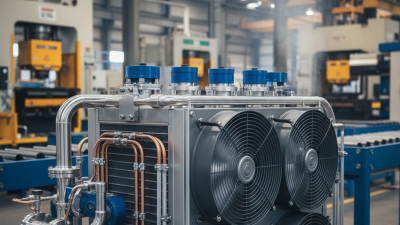
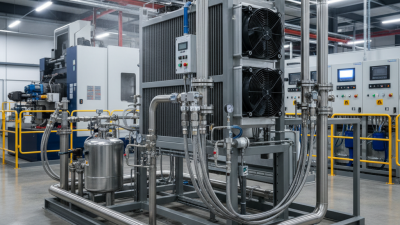
Hydraulic cooling systems are crucial in high-performance machinery. Several key components define their functionality and efficiency. The hydraulic oil reservoir stores fluid. It maintains the system's stability and allows for heat dissipation. A heat exchanger is another essential part. It transfers heat away from the hydraulic fluid. Good heat exchangers can greatly improve system performance.
Cooling fans play a vital role too. They help move air across the heat exchanger. This process enhances cooling efficiency. Coolers come in various types. Selecting the right type is important for optimal performance. Failure to choose correctly may lead to overheating and damage.
Filters ensure the hydraulic fluid stays clean. Clogged filters can reduce efficiency and lead to system failures. Regular maintenance of these components is crucial. Over time, parts can wear out, leading to unpredictable performance. Assessing the system's condition periodically can prevent severe issues. Understanding each component's role enhances system reliability. Buyers must stay informed about these factors for successful operations.
Top 10 Hydraulic Cooling Systems for Global Buyers
When exploring hydraulic cooling systems, global buyers encounter a variety of options. It's essential to understand the fundamental principles of each system. These systems are designed to manage heat and maintain operational efficiency in hydraulic machinery. They play a crucial role in extending equipment lifespan. A reliable hydraulic cooling system can significantly reduce the risk of overheating.
Many systems utilize air or water for cooling. Air-cooled systems are generally simpler and require less maintenance. However, they may not perform well in extreme conditions. Water-cooled systems, on the other hand, provide better cooling efficiency. They can cope with higher heat loads but often require more complex setups. Each system has its advantages and drawbacks. It is vital to consider factors like installation space, environmental conditions, and energy efficiency.
Global buyers should also reflect on their specific needs. Identifying the right system can be a challenge. Factors like size, cost, and maintenance must be evaluated carefully. Investing time in understanding these elements can lead to better decision-making. Not all systems will suit every application; customizing a solution may be necessary. It's important not to rush the selection process.
Comparative Analysis of Each System’s Advantages and Disadvantages
Hydraulic cooling systems play a crucial role in many industrial operations. Each system has unique advantages and disadvantages that can significantly impact performance. For example, air-cooled systems are simple and inexpensive. However, they may struggle in extreme heat. In contrast, water-cooled systems offer better efficiency but require more maintenance.
Another popular option is the oil-cooled system. These systems excel in high-load environments and can operate at higher temperatures. Yet, they can be costly to implement and require careful monitoring. A submerged cooling system can provide excellent temperature control but may face issues related to fluid compatibility and potential leaks.
Choosing the right system demands thorough evaluation. Factors like installation costs, operating conditions, and maintenance requirements all matter. Buyers should reflect on each system's strengths and weaknesses to ensure the best match for their needs.
Future Trends in Hydraulic Cooling Technologies
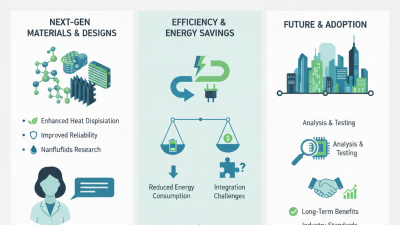
Hydraulic cooling technologies are evolving rapidly. Recent studies indicate that the global hydraulic cooling market is projected to grow by 6.5% annually until 2027. Innovation has become essential for meeting rising efficiency standards and environmental regulations.
A focus on energy efficiency is driving advancements. Many systems now incorporate smart technology for real-time performance monitoring. These innovations can reduce energy consumption by up to 30%, leading to significant cost savings. However, the implementation of these technologies presents challenges. The complexity of integration often leads to unforeseen issues.
Sustainability is another growing trend. The shift toward eco-friendly coolants is gaining momentum. Regulatory pressures are leading manufacturers to explore biodegradable options. Still, the transition can be slow. Testing these new materials for performance and safety is crucial and often overlooked. The future of hydraulic cooling systems will depend on a delicate balance of efficiency, cost, and sustainability.
Top 10 Hydraulic Cooling Systems - Future Trends in Hydraulic Cooling Technologies