2026 Top Oil Cooler For Torque Converter Guide and Benefits?
In the competitive world of automotive enhancements, understanding the importance of the "Oil Cooler For Torque Converter" is essential. Industry expert Mark Harrison once stated, "An efficient oil cooler is vital for maintaining optimal torque converter performance.” This highlights the role that oil coolers play in enhancing vehicle efficiency and longevity.
An oil cooler dedicated to torque converters ensures proper temperature regulation. High temperatures can lead to premature wear. Coolers help maintain a consistent oil flow, balancing performance and reliability. Many overlook this component until problems arise. However, recognizing its significance early can save time and money.
In 2026, innovations in oil cooler technology have emerged. Manufacturers are focusing on durability and performance. Yet, not all products on the market meet high standards. Conducting thorough research is key. Drivers must assess their needs carefully to choose the best oil cooler for their torque converter. This choice influences overall vehicle health.
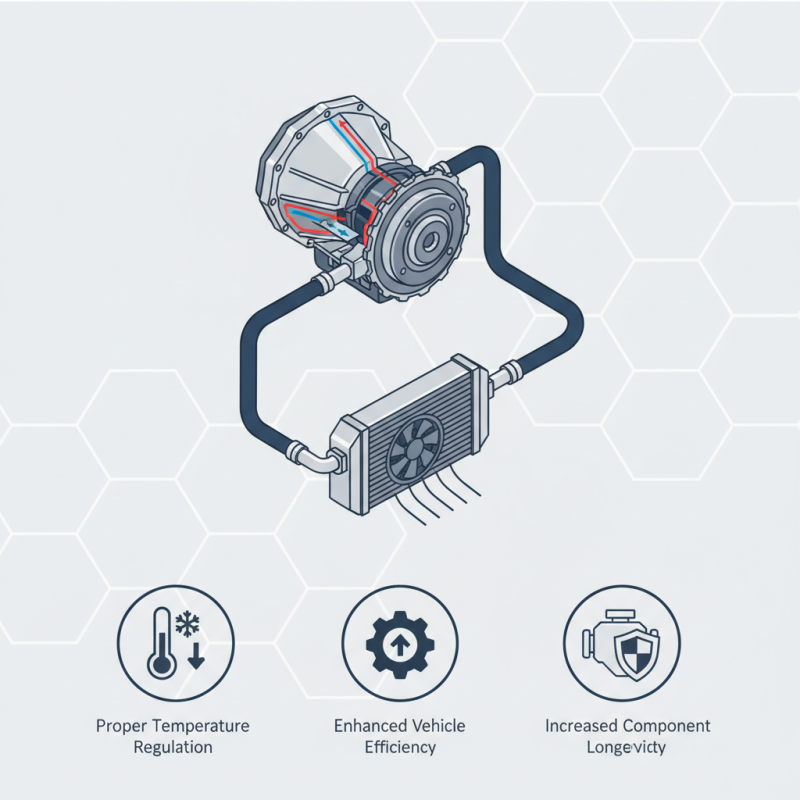
Overview of Torque Converters and Their Functionality
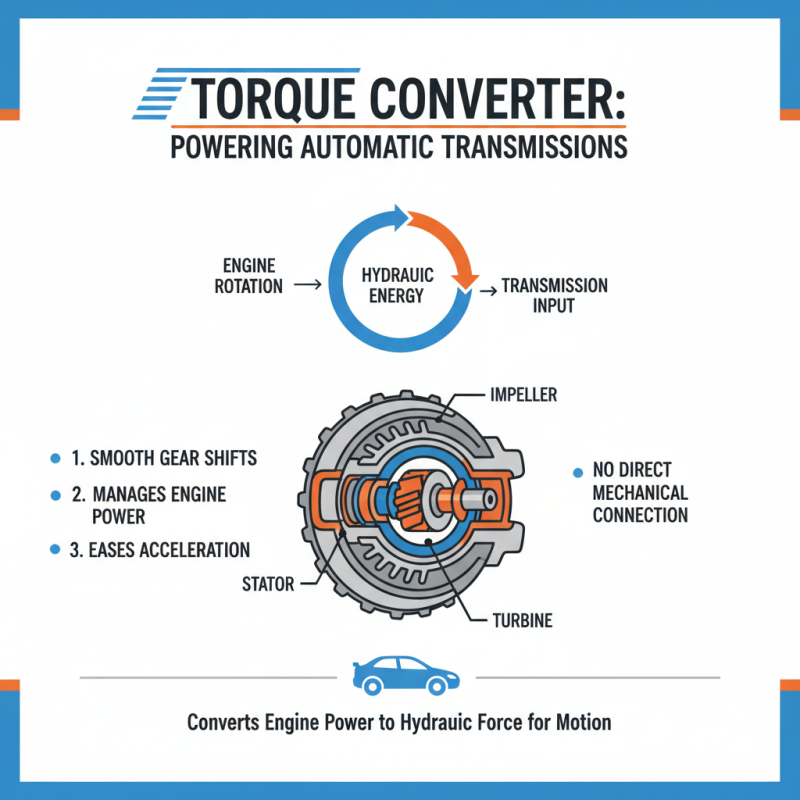
Torque converters play a crucial role in an automobile's transmission system. They facilitate smooth gear shifts and manage engine power delivery. This mechanism converts the engine's rotational energy into hydraulic energy. As a result, the vehicle can move without requiring direct mechanical connection. This unique functionality helps in easing acceleration.
Inside the torque converter, we find three main components: the impeller, turbine, and stator. Each of these parts interacts to transfer power efficiently. The impeller spins with engine speed, pushing fluid towards the turbine. The turbine engages, allowing the car to move. It's fascinating how this process makes driving smoother. However, issues can arise. Excessive heat can degrade these components' performance.
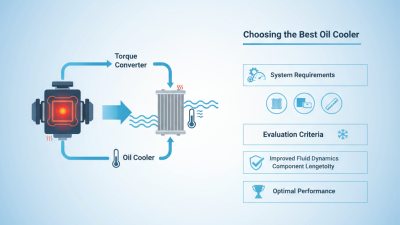
Maintaining optimal temperature is essential for a torque converter's longevity. Overheating can cause slippage, leading to reduced efficiency. The addition of an oil cooler can help manage these temperatures effectively. It ensures the hydraulic fluid remains within a safe operating range. Nonetheless, proper installation and periodic checks are vital. Neglecting these aspects may lead to future complexities.
Understanding the Role of Oil Coolers in Torque Converter Performance
Oil coolers play a crucial role in the performance of torque converters. These components help regulate temperatures within the system. High temperatures can lead to reduced efficiency and potential failure of the torque converter. Research indicates that maintaining optimal oil temperatures improves overall system performance by up to 15%. This data underscores the importance of efficient oil cooling.
When oil gets too hot, it can break down and lose its effectiveness. This can cause slippage in the torque converter. A well-functioning oil cooler can prevent this problem. Studies show that a reliable oil cooler extends the lifespan of the torque converter by up to 25%. This means a better return on investment for vehicle owners.
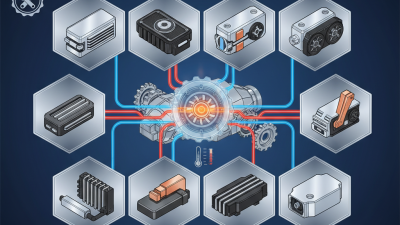
It is essential to choose the right oil cooler design. Factors such as size, material, and flow rate should be considered. Not all coolers perform equally. In some cases, an inadequate cooler can worsen overheating issues. The right selection can significantly impact performance and durability. Understanding these elements is vital for anyone looking to enhance their vehicle's torque converter system.
2026 Top Oil Cooler Performance Analysis
This chart illustrates the temperature reduction performance of different oil coolers used in torque converters. Cooler A shows a reduction of 20°C, while Cooler D achieves the highest reduction at 30°C, highlighting the efficiency of each cooler in maintaining optimal temperature for torque converter operation.
Top Features to Consider When Selecting an Oil Cooler
When selecting an oil cooler for your torque converter, several features stand out. Compatibility is key. Ensure it fits your vehicle’s model and engine. An ill-fitting cooler may cause leaks or inefficiencies. Fitment is crucial.
Consider the material used in the cooler. Aluminum provides excellent heat dissipation compared to plastic. It’s often lighter too. However, aluminum can be harder to weld if repairs are needed. Look for something sturdy yet lightweight.
Cooling capacity is another important factor. A higher capacity means better performance. It helps maintain optimal temperatures during heavy use. However, a larger cooler may take up more space. Weigh the pros and cons carefully.
Tips: Always check the manufacturer’s specifications for the right size. Research user reviews to gather insights on durability. Installation can be tricky, so consider seeking professional help if unsure. This choice impacts your vehicle’s longevity, making it a decision worth careful thought.
2026 Top Oil Cooler For Torque Converter Guide and Benefits
| Feature |
Description |
Benefits |
Considerations |
| Material |
Constructed from high-quality aluminum for durability. |
Ensures long-lasting performance and resistance to corrosion. |
Evaluate compatibility with vehicle materials. |
| Size |
Available in various sizes to fit different applications. |
Improves heat dissipation and overall efficiency. |
Check dimensions against available space in the vehicle. |
| Cooling Capacity |
Designed to handle high volumes of fluid for optimal cooling. |
Prevents overheating of the torque converter during heavy loads. |
Assess the vehicle’s cooling requirements based on usage. |
| Mounting Type |
Variety of mounting options for easy installation. |
Facilitates quick setup and replacement. |
Verify if the mounting type suits your vehicle's design. |
| Flow Design |
Engineered for optimal fluid flow, minimizing resistance. |
Enhances performance and ensures efficient cooling. |
Review flow characteristics in relation to engine specifications. |
Benefits of Upgrading to a High-Quality Oil Cooler
Upgrading to a high-quality oil cooler can significantly enhance your vehicle's performance. The primary function of an oil cooler is to regulate temperature. When the engine runs hotter than ideal, it can cause oil to break down. This breakdown leads to engine damage over time.
With a better oil cooler, engine oil stays at a more stable temperature. A cooler environment helps maintain its viscosity and lubricating properties. You may notice smoother operation and improved power delivery. In harsh conditions, like heavy towing or racing, the benefits become even more apparent.
However, it's essential to match the oil cooler to your specific needs. Choosing the wrong size or type can lead to inadequate cooling or even restrict oil flow. Regular maintenance is also crucial. A neglected oil cooler might not perform efficiently, negating any benefits. It’s worth investing time to evaluate options and make informed decisions.
Installation and Maintenance Tips for Torque Converter Oil Coolers
Installing a torque converter oil cooler is crucial for performance.
It keeps the fluid temperature in check. This helps your transmission run efficiently. Proper installation is key.
Make sure the cooler is mounted securely. Position it away from heat sources. It should also allow good airflow for cooling.
Regular maintenance is essential. Check the fluid levels frequently. Look for any signs of leaks around the cooler.
Change the fluid at intervals, as per your vehicle’s guidelines. Consider flushing the system every few years.
This helps remove debris that could affect performance.
Be ready for some challenges. Installation may require extra tools. You might need to remove other components for access.
Take your time to avoid mistakes. If uncertain, consulting a professional can save you headaches later.
Remember, even a small error can impact your setup significantly.