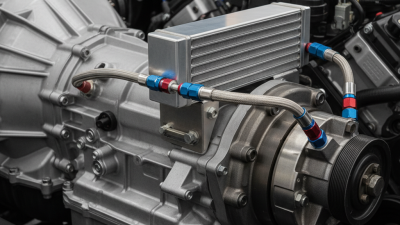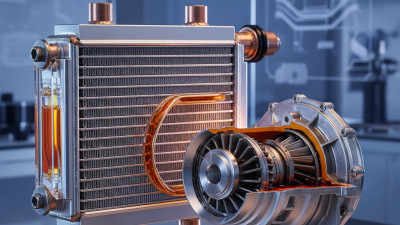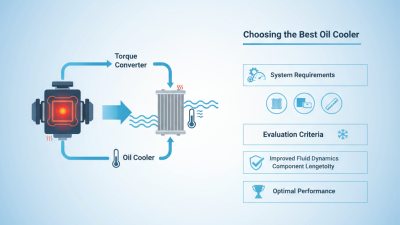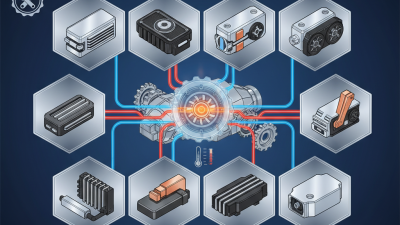
Torque converters quietly manage enormous heat during acceleration, towing, and stop-and-go driving. Inside the housing, fluid transfers engine power while absorbing slip-related energy. That energy becomes heat. If temperatures remain high, fluid oxidation, seal hardening, and clutch wear can accelerate. An Oil Cooler For Torque Converter helps move this heat toward a safer operating range.
This matters beyond performance claims. S&P Global Mobility reported that the average age of vehicles on U.S. roads reached about 12.6 years in 2024. Older vehicles often face restricted airflow, weakened cooling systems, and contaminated transmission fluid. These conditions can make thermal control more difficult. SAE International’s technical literature on automatic transmission thermal management also connects fluid temperature control with durability, viscosity stability, and component protection. The exact benefit depends on cooler design, fluid type, towing weight, and vehicle calibration.
A useful warning remains necessary. More cooling is not always better. Excessive cooling can delay proper fluid warm-up, especially in cold climates. Poorly routed lines may also create leaks or pressure problems. Industry service guidance from ATRA and OEM maintenance documentation emphasizes correct flow direction, clean installation, and temperature verification. The practical question is not whether every torque converter needs a cooler. It is whether the vehicle regularly produces more heat than its original system can reject. Measuring temperatures under real driving conditions gives a stronger answer than relying on generic claims. That small step can prevent an expensive assumption.
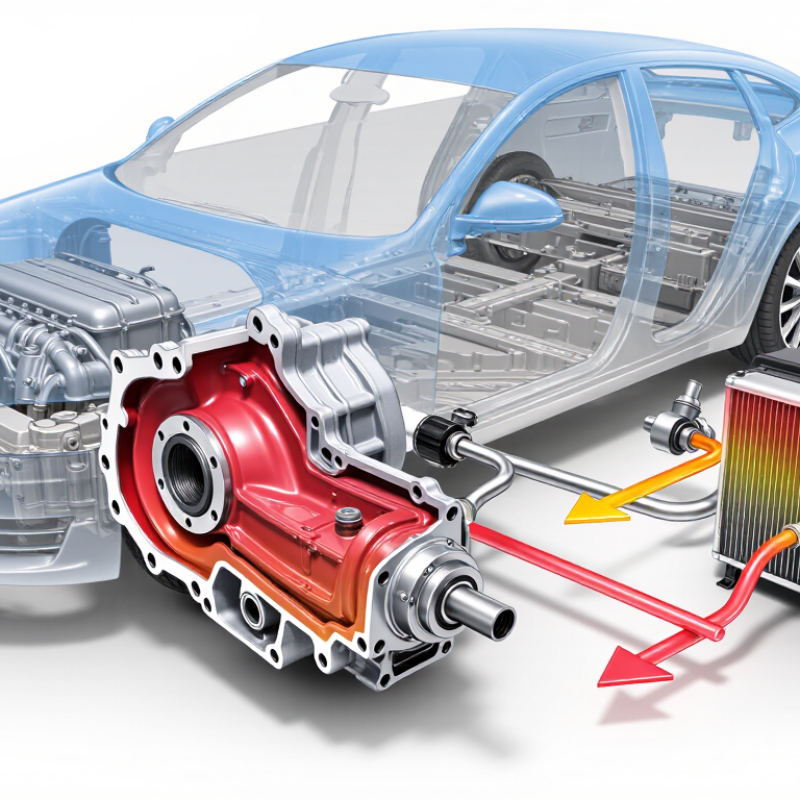
A torque converter transfers engine power through transmission fluid, not a solid mechanical connection. Its impeller pushes fluid toward the turbine, creating rotation at the transmission input. During low-speed movement, this fluid coupling allows smooth launches and controlled slipping. That slip creates heat. Too much heat can reduce fluid viscosity, damage seals, and accelerate clutch wear.
Heat is the quiet enemy.
Transmission fluid also lubricates gears, supports hydraulic pressure, and carries heat away from internal components. When fluid becomes dark, smells burnt, or contains fine debris, inspection should not wait. A clean fluid path matters.
In practical servicing, checking fluid level and cooler lines often reveals problems before shifting becomes harsh. Still, fluid color alone cannot prove the converter is failing. Testing temperature and pressure gives stronger evidence.
An oil cooler helps control converter temperature during towing, heavy traffic, or repeated acceleration. It transfers heat from the fluid into surrounding air or another cooling circuit. Proper sizing matters.
An oversized cooler may slow warm-up in cold conditions, while a restricted line can starve the transmission of flow. Installation errors happen, even in careful work. I have seen technicians focus on cooler capacity and overlook airflow, fittings, or contamination inside replacement lines.
The fluid should follow the manufacturer’s required specification, and the system should be flushed when debris is present. A cooler protects the fluid, but it cannot repair worn clutches or a damaged pump.
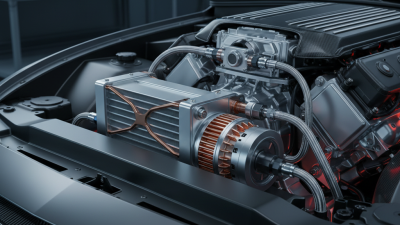
A torque converter transfers engine power through transmission fluid. During acceleration, the impeller pushes fluid toward the turbine. This fluid movement creates torque, but it also creates friction and heat.
Heat rises sharply when the converter slips. Slipping occurs during parking, crawling, hill starts, and heavy towing. The engine may run quickly while the vehicle moves slowly. Under these conditions, fluid shear can turn useful energy into heat.
Stop-and-go traffic is especially demanding. A hot day makes the problem worse. If fluid temperature stays high, its protective properties can weaken. Seals may harden, shifting may feel rough, and internal components can wear faster. An oil cooler helps remove this heat before it spreads through the transmission. It supports steadier fluid temperatures and gives the converter a safer working range.
Check fluid condition regularly. Dark fluid or a burnt smell deserves attention. Keep the cooler lines clean and secure. Do not assume a larger cooler always solves the problem. Poor airflow, restricted passages, or incorrect installation can reduce its benefit. I once underestimated low-speed heat because highway driving felt normal. That was a useful reminder: normal movement does not always mean normal temperature. A temperature gauge can reveal stress that a smooth drive hides.
Torque converters generate heat whenever they multiply engine torque, especially during towing, hill climbs, and slow traffic. An oil cooler helps remove this heat before the transmission fluid becomes excessively thin or oxidized. In practical service work, stable fluid temperature often means smoother shifts and less clutch chatter.
The benefits are measurable. Cooler fluid protects seals, bearings, and friction materials from heat-related wear. It can also reduce varnish buildup inside narrow passages and support more consistent hydraulic pressure. This matters when a vehicle works under repeated loads. Small gains matter.
A properly sized cooler can extend fluid life and reduce maintenance interruptions. However, larger is not always better. Fluid that stays too cold may shift poorly and increase internal drag. A thermostat or bypass circuit can help maintain a useful operating range. Installation quality matters too; restricted airflow, loose fittings, or a blocked line can defeat the design. A temperature gauge gives better evidence than guesswork. I have seen drivers blame the converter when the real problem was low fluid, poor airflow, or a worn transmission. The cooler helps, but it cannot repair damaged components. It needs clean fluid, correct routing, and periodic inspection.
Why Use an Oil Cooler for Torque Converters?
Torque converters generate heat when fluid transfers power through slip. Excessive heat can thin the fluid, harden seals, and accelerate clutch wear. A properly selected oil cooler helps control this temperature during towing, climbing, stop-and-go driving, and heavy equipment operation. Heat tells the story.
Tube-and-fin air-to-oil coolers use airflow across narrow tubes. They are simple, affordable, and suitable for light trucks, agricultural machines, and moderate workloads. Their performance depends heavily on vehicle speed and airflow. Stacked-plate coolers provide greater heat transfer in a smaller package. Their compact design fits performance vehicles, towing systems, and confined engine bays. However, they may create higher flow resistance if the circuit is poorly matched.
Liquid-to-liquid coolers transfer transmission heat through engine coolant. They warm fluid quickly during cold starts and maintain stable temperatures in changing weather. This design suits passenger vehicles, commercial vehicles, and equipment operating in cold regions. Remote coolers with electric fans can serve low-speed machinery or installations with limited airflow. Fit matters too.
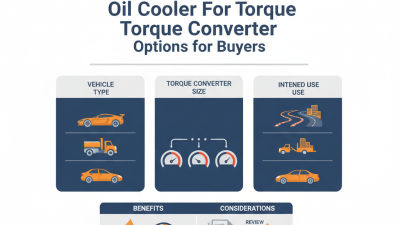
Field experience shows that a larger cooler is not automatically safer. Oversizing may delay fluid warm-up, while a restrictive unit can reduce circulation. Technicians should check flow rate, pressure drop, mounting strength, hose routing, and actual operating temperature. Selection is not always neat. Ambient heat, load cycles, and maintenance habits can change the result.
A torque converter creates substantial heat during launch, towing, and repeated stop-and-go driving. That heat must leave the transmission fluid quickly. An external oil cooler can lower thermal stress and protect clutch materials. Industry service literature commonly estimates that fluid life may fall by half for every 18°F increase above 200°F. This remains a field guideline, not a universal promise. SAE thermal-management studies also examine fluid temperatures near 120°C, where oxidation and viscosity loss become serious concerns.
Installation needs careful planning. Mount the cooler where it receives steady airflow, but keep it away from road debris and exhaust heat. Use hose rated for transmission-fluid temperature and pressure. Avoid tight bends. A restricted line can create more trouble than high temperature. The cooler should usually work with the original heat exchanger, especially in cold climates. Removing factory temperature control can delay warm-up and increase shifting problems.
Maintenance is simple, but easy to neglect. Inspect fittings for sweating, check hose softness, and clean packed dirt from the cooler fins. Measure fluid temperature during towing, not only during an unloaded road test. ASTM D445 viscosity testing shows why contaminated or overheated fluid deserves attention, since viscosity changes can affect hydraulic control. Field inspections often reveal poor airflow rather than undersized coolers. I would still question every installation that adds cooling without confirming flow, pressure, and warm-up behavior.