Top 10 Benefits of Hydraulic Cooling Systems for Global Buyers?
In today's industrial landscape, the hydraulic cooling system plays a crucial role in enhancing operational efficiency. According to a recent report by MarketsandMarkets, the hydraulic systems market is projected to reach $55.4 billion by 2025. This growth highlights the increasing reliance on hydraulic technology across sectors. As more companies invest in these systems, understanding their benefits becomes essential.
Hydraulic cooling systems offer various advantages, such as improved temperature control and extended equipment lifespan. By maintaining optimal fluid temperatures, these systems reduce wear and tear on important components. The American Society of Mechanical Engineers (ASME) states that effective cooling can lead to energy savings of up to 30%. However, many buyers overlook the long-term savings potential in favor of initial costs.
Investing in a hydraulic cooling system is not just a choice; it's a necessity for many industries. Yet, some businesses may underestimate their specific cooling needs. Regular evaluations and adjustments can improve system performance. Buyers must reflect on and understand their requirements to maximize benefits. The right hydraulic cooling system can be a game-changer in operational efficiency and sustainability.
Advantages of Hydraulic Cooling Systems in Industrial Applications
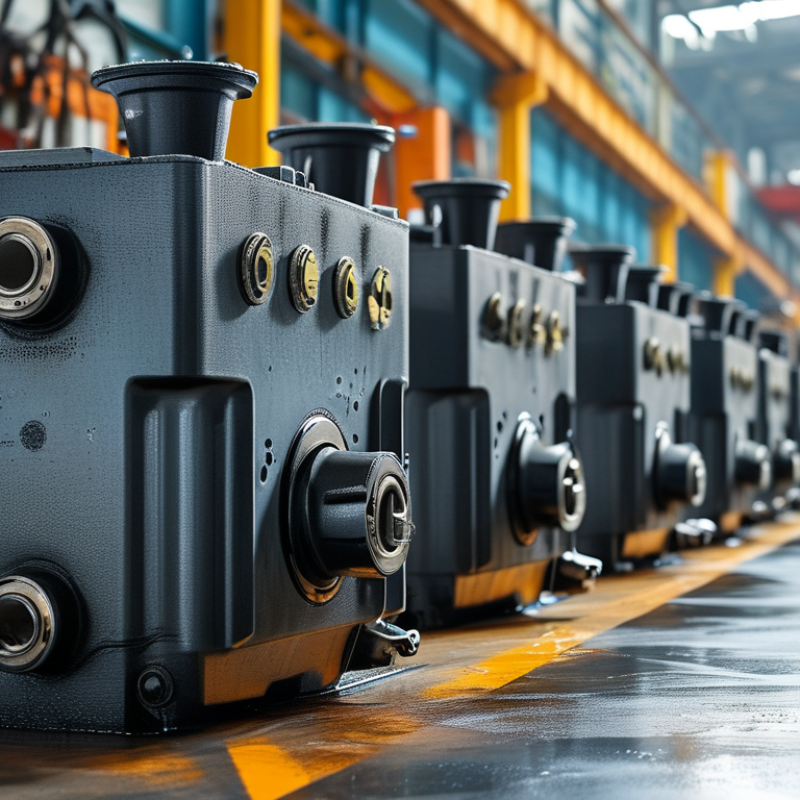
Hydraulic cooling systems offer significant advantages in industrial settings. Their primary role is to manage heat generated by machinery. Efficient cooling extends equipment life. This reduces downtime, leading to increased productivity. Hydraulic fluids operate at lower temperatures, enhancing the system's overall efficiency.
One vital aspect is energy conservation. Hydraulic cooling reduces the energy consumption of operating systems. By maintaining optimal temperatures, energy waste decreases. However, choosing the right cooling design is crucial. Poorly designed systems can lead to overheating issues that negate these benefits. Regular maintenance is essential to monitor fluid levels and temperatures, ensuring reliability.
These systems also support environmental sustainability. By minimizing heat emissions, they contribute to a greener industry. However, users must be aware of potential fluid leaks. Such leaks can pose risks to the environment and safety. Therefore, proactive measures and constant vigilance are keys to realizing their full potential.
Enhanced Efficiency: How Hydraulic Cooling Systems Maximize Performance
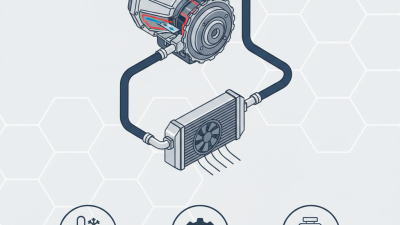
Hydraulic cooling systems play a vital role in enhancing operational efficiency across various industries. These systems help manage the heat generated by hydraulic equipment, ensuring optimal performance and longevity. In a study by the Hydraulic Institute, about 70% of machinery failures are linked to overheating. Effective cooling can significantly reduce this risk, leading to higher uptime and reduced operational costs.
Recent data indicate that implementing advanced hydraulic cooling systems can improve energy efficiency by up to 30%. These systems utilize heat exchangers and cooling fluids to regulate temperatures effectively. For example, optimizing cooling flow can lower energy consumption. Additionally, enhanced temperature control fosters reliable performance. Yet, many facilities still rely on outdated methods that fail to address the complexities of modern hydraulic systems.
Investing in hydraulic cooling technology is not without challenges. Initial costs may raise concerns for buyers. However, the long-term benefits, such as reduced maintenance and improved performance, often outweigh these concerns. Seeking expert advice can guide buyers in selecting the most suitable system for their needs. This evaluation is critical, as not all cooling solutions are created equal, and poorly assessed choices can lead to inefficiencies.
Cost-Effectiveness of Hydraulic Cooling Solutions for Global Enterprises
The cost-effectiveness of hydraulic cooling solutions is increasingly evident in global enterprises. Research shows that these systems can reduce operational costs by up to 30%. This significant reduction stems from improved energy efficiency and lower maintenance expenses. A well-designed hydraulic cooling system can lead to extended equipment lifespan, which translates to lower replacement costs.
Additionally, industries utilizing hydraulic cooling report a decrease in unplanned downtime. In fact, companies have experienced up to a 15% increase in productivity due to the reliability of their cooling systems. However, it is important to acknowledge that initial installation costs can be a concern. While most enterprises see a return on investment in less than three years, some may hesitate due to upfront expenses.
The environmental impact is equally noteworthy. Hydraulic cooling systems often consume less water and energy compared to traditional methods. Reports suggest that widespread adoption could cut energy usage in industrial settings by as much as 20%. Yet, misconceptions about the complexity of installation persist. Addressing these concerns is crucial for enabling more companies to transition to this efficient technology.
Environmental Benefits: Reducing Carbon Footprint with Hydraulic Cooling
Hydraulic cooling systems offer notable environmental benefits. By utilizing advanced technology, these systems efficiently manage heat in industrial applications. This translates to lower energy consumption and reduced greenhouse gas emissions. A well-designed hydraulic cooling system can minimize the carbon footprint of manufacturing processes, benefiting the planet.
Implementing such systems is not without challenges. Some businesses may struggle with initial costs and integration into existing setups. However, the long-term savings and environmental advantages often outweigh these concerns. Businesses should reflect on their impact and consider hydraulic cooling as a step towards sustainability. Enhanced efficiency leads not only to reduced operating costs but also to a responsible approach to resource management.
Investing in hydraulic cooling systems demonstrates a commitment to environmental stewardship. By focusing on minimizing emissions and improving energy efficiency, businesses position themselves as responsible players in their industries. This focus creates a ripple effect, encouraging others to adopt similar practices. Adopting hydraulic cooling can pave the way for a greener future.
Flexibility and Customization in Hydraulic Cooling System Design
Hydraulic cooling systems offer an incredible degree of flexibility and customization. Designers can tailor these systems to meet specific operational requirements. This adaptability allows users to optimize cooling performance. These systems can be adjusted in size, shape, and materials. This means they can fit into various industrial settings without sacrificing efficiency.
Customization also extends to control mechanisms. Users can incorporate advanced technology for precise temperature control. This ensures optimal performance under varying workloads. Moreover, the design can accommodate different fluids, enhancing compatibility with existing systems. In some cases, this flexibility is crucial for maintaining operational reliability. However, striking the right balance between customization and cost can be challenging.
The manufacturing process of hydraulic cooling systems may also need reflection. While tailored solutions are beneficial, they can introduce complexity. More parts can lead to increased failure points. Ensuring high-quality production standards is crucial to mitigate this risk. Additionally, not all customization efforts yield significant performance improvements. Each design choice should be carefully considered to avoid unnecessary complications. This balancing act is essential for achieving the benefits these systems can provide.