2026 Best Cooling Systems for Global Buyers to Consider?
In the quest for comfort, selecting the right cooling systems is essential. With rapid advancements in technology, buyers now have numerous options to explore. A good cooling system can dramatically improve indoor air quality. It enhances comfort in homes and workplaces alike.
As we look ahead to 2026, assessing the best cooling systems involves understanding different types. Each system has its pros and cons. For example, traditional air conditioning units offer reliable cooling but may consume significant energy. In contrast, evaporative coolers use less energy but are less effective in humid climates.
Buyers must consider their specific needs and environment. Choosing the wrong cooling system can lead to discomfort and higher costs. It's vital to research thoroughly and consult professionals. Prioritizing energy efficiency and maintenance can yield significant long-term benefits. Awareness of these factors will guide buyers toward informed decisions.
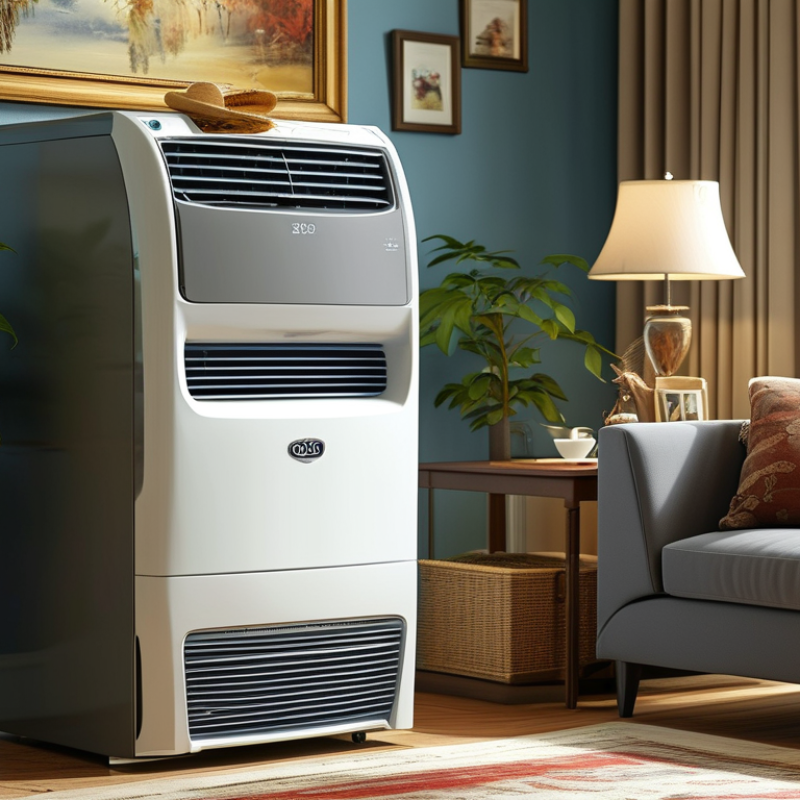
Overview of Cooling Systems: Types and Technologies
Cooling systems play a crucial role in various industries, from manufacturing to data centers. Understanding their types and technologies can help businesses make informed decisions. According to the International Energy Agency, cooling accounts for about 10% of global electricity consumption. This figure is rising, making efficient cooling solutions increasingly important.
There are several types of cooling systems, including air-cooled and water-cooled units. Air-cooled systems are simpler and less expensive to install, but they are often less efficient. Water-cooled systems, on the other hand, usually offer better efficiency, particularly in larger applications. However, they come with more complex maintenance needs. The market for cooling technology is evolving, with innovations like variable refrigerant flow (VRF) systems gaining traction. These systems adapt their operation based on real-time conditions, improving energy use.
Thermal energy storage is another technology worth noting. It allows systems to produce cooling during off-peak hours, helping to balance energy demand. Still, not all businesses may find this suitable due to upfront investments or space constraints. Each cooling method presents its own challenges and benefits, which require careful evaluation to align with specific operational needs. Data from the U.S. Department of Energy highlights that optimizing cooling systems can reduce energy costs by up to 30%. This clearly underscores the importance of choosing the right technology.
Key Features to Look for in Cooling Systems
When selecting a cooling system, several key features should not be overlooked. Energy efficiency is paramount. According to the U.S. Department of Energy, systems that meet or exceed ENERGY STAR standards can save homeowners up to 30% on cooling costs. This translates into significant savings, especially in regions with long, hot summers.
Next, consider the system's capacity. It's measured in BTUs (British Thermal Units). A correct size is critical. Oversized units cool too quickly, causing humidity issues. Conversely, undersized units struggle to cool adequately. A study by the HVAC Research Institute indicates that improperly sized systems can lead to a 20% decrease in efficiency, resulting in increased energy bills and discomfort.
Noise level is another vital factor. Many buyers overlook this aspect. Systems generating over 60 decibels can be disruptive. Choosing quieter models can improve comfort, especially in residential settings. It's important to balance performance with noise, highlighting the need for thorough research before purchase. Always review different options and consult with professionals to ensure the right choice.
Top Brands to Consider in 2026's Cooling Market
As global temperatures rise, efficient cooling systems become more crucial. In 2026, buyers can explore various innovative brands in the cooling market. These brands offer advanced technology and unique designs aimed at enhancing comfort and energy efficiency. Many systems now feature smart controls, allowing users to manage temperature remotely. This integration of tech elevates user experience significantly.
However, not all brands provide the same reliability. It's essential to consider customer reviews and expert opinions. Some systems may promise cost savings but could lead to higher energy bills if not properly maintained. Expected lifespans and warranties vary, making research necessary. Additionally, installation specialists play a vital role. Proper installation ensures optimal performance, yet not all service providers deliver the same level of expertise. Exploring options and comparing features is essential for smart purchases.
Buyers should look for long-term performance and ease of maintenance when choosing cooling systems. The rise in eco-friendly models may influence purchasing decisions. Reflecting on personal needs and living conditions can guide choices effectively. With the multitude of brands available, it's wise to prioritize personal comfort and energy efficiency in decision-making.
2026 Best Cooling Systems for Global Buyers to Consider
| Cooling System Type |
Energy Efficiency Rating |
Cooling Capacity (BTU) |
Noise Level (dB) |
Estimated Price (USD) |
| Ductless Mini-Split |
A++ |
12000 |
30 |
1500 |
| Central Air Conditioner |
A+ |
24000 |
50 |
4000 |
| Portable Air Conditioner |
B |
8000 |
60 |
300 |
| Window Air Conditioner |
B+ |
10000 |
55 |
400 |
| Evaporative Cooler |
N/A |
5000 |
40 |
250 |
Comparative Analysis of Energy Efficiency in Cooling Systems
When considering energy-efficient cooling systems, various factors come into play. Users need to assess energy consumption and operational costs. Traditional air conditioning units often consume significant power, leading to higher utility bills.
In contrast, modern systems utilize advanced technologies, reducing energy consumption without sacrificing comfort.
Efficiency ratings vary widely among cooling systems. Some units boast high SEER (Seasonal Energy Efficiency Ratio) ratings, indicating better energy use. However, not all units perform as advertised. Users should research and consider real-world performance data.
Installation methods also influence efficiency. Properly sealing and insulating cooling systems can enhance their overall performance, leading to more significant energy savings.
It's essential to compare different types of cooling solutions. For example, evaporative coolers work best in dry climates but may not perform well elsewhere. On the other hand, heat pumps can be advantageous in areas with moderate climates. Ultimately, energy efficiency is a priority, but buyers must weigh the initial costs against long-term savings. The path to an efficient cooling solution requires careful evaluation and consideration of specific environmental factors.
How to Choose the Right Cooling System for Your Needs
Choosing the right cooling system can feel overwhelming. Different environments demand different approaches. First, consider your space size. Larger areas may need more robust systems, while smaller spaces benefit from compact designs. Efficiency ratings are crucial; they indicate how effectively a unit cools while using energy.
Also, think about the climate in your region. Areas with high humidity require systems with dehumidifying capabilities. This feature helps prevent mold growth. Noise levels are another factor. Some units can be quite loud, disrupting your daily life. Researching reviews can provide insights into real user experiences, highlighting both pros and cons.
Finally, budget plays a significant role. Remember, the most expensive options aren't always the best. Weigh initial costs against long-term savings on energy bills. Seek out reliable resources for guidance. Balancing your needs with available options can lead to a more informed decision.