China Best Hydraulic Cooling System Features and Benefits Explained?
The Hydraulic Cooling System has become essential in modern industrial applications. It efficiently manages heat in machinery, ensuring optimal performance and longevity. Advanced technology plays a crucial role in enhancing its efficiency. Many benefits are associated with this system, making it vital for various sectors.
In China, innovative designs focus on performance and energy efficiency. High-quality materials are now used, ensuring durability. Additionally, features like compact size and low maintenance requirements are becoming standard. However, there may be challenges in nationwide adoption. Some manufacturers struggle with integrating new technologies into existing systems.
Exploring these features can help businesses improve operations significantly. As industries evolve, understanding the benefits of a Hydraulic Cooling System is essential. The upcoming trade fairs showcase such advancements. Attendees can gain insights into the latest technologies and their applications.
China's Leading Hydraulic Cooling System: An Overview
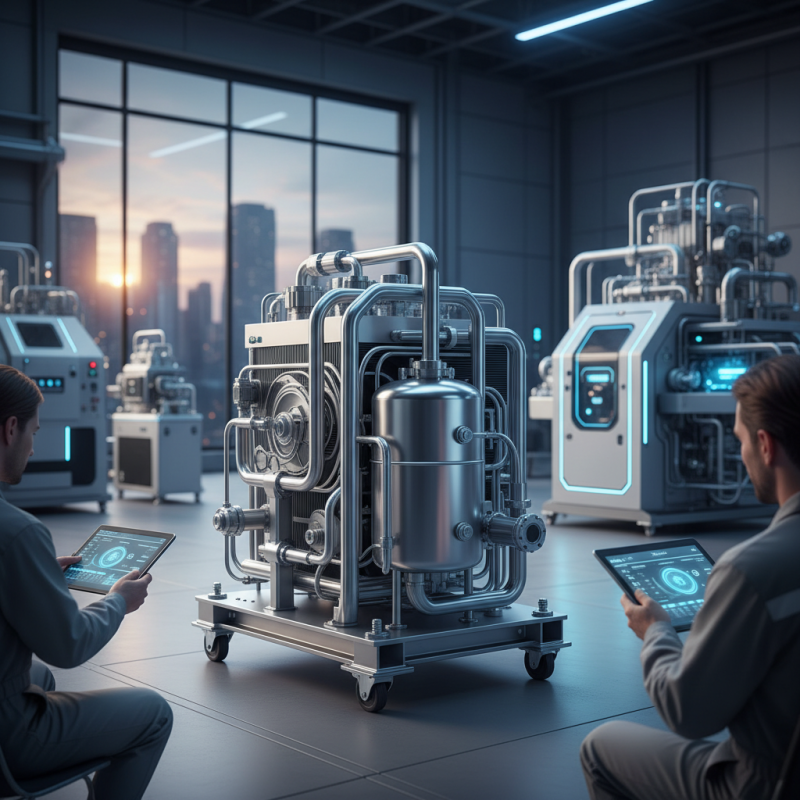
China's hydraulic cooling systems have become essential in various industries. These systems manage heat effectively, ensuring machinery operates at optimal temperatures. They are designed for reliability, offering excellent performance even in harsh environments.
One feature is their robust construction. Made from quality materials, these systems endure extreme conditions. They often include advanced cooling technologies, which enhance efficiency. For instance, using a plate heat exchanger improves thermal transfer significantly. Yet, the complexity of some designs can lead to maintenance challenges. Regular inspections are crucial to avoid unexpected breakdowns.
The benefits extend beyond longevity. They contribute to lower energy consumption, saving costs in the long run. Good cooling systems can also extend the lifespan of equipment. However, one must consider installation requirements, as these can vary widely. Ensuring the right fit is vital for optimal performance. In summary, while they bring significant advantages, careful planning is essential for success.
China Best Hydraulic Cooling System Features and Benefits Explained
| Feature |
Description |
Benefits |
| High Efficiency |
Utilizes advanced technology for optimal heat dissipation. |
Reduces operational costs by improving energy savings. |
| Compact Design |
Space-saving model that fits into tight configurations. |
Increases installation flexibility and efficiency. |
| Durability |
Designed with high-quality materials to withstand harsh environments. |
Extends product life and reduces maintenance frequency. |
| Customizable Solutions |
Tailored designs based on specific industry requirements. |
Enhances performance specific to user applications. |
| Easy Maintenance |
User-friendly design that allows for quick servicing. |
Minimizes downtime, maximizing productivity. |
Key Features of Hydraulic Cooling Systems in China
Hydraulic cooling systems in China have become essential for various industries. These systems maintain optimal temperature levels for hydraulic fluid. This is crucial for machine performance and longevity. According to recent industry reports, the demand for efficient cooling solutions is on the rise, driven by the increasing need for energy efficiency.
Key features of hydraulic cooling systems include high thermal conductivity and compact design. Advanced materials enhance heat transfer efficiency. Additionally, many systems offer customizable sizes, adapting to different machine requirements. However, there are some challenges. Not all systems provide the same level of reliability. Some models struggle in extreme temperatures, risking equipment failure.
Research indicates that proper maintenance can improve system efficiency significantly. Regular inspections and fluid checks help prevent issues. Despite this, many industries overlook such essential practices. The balance between performance and reliability often creates a tension in design choices. Ultimately, effective hydraulic cooling systems are vital yet require careful consideration to maximize their benefits.
Advantages of Advanced Hydraulic Cooling Technology
Advanced hydraulic cooling technology offers numerous advantages that enhance operation efficiency and system longevity. A recent industry report indicates that improved heat dissipation can increase machine performance by up to 25%. Effective hydraulic cooling systems maintain optimal fluid temperatures. This prevention of overheating extends the lifespan of hydraulic components significantly.
One key benefit is reduced energy consumption. It is estimated that efficient cooling systems can lower energy costs by 15-20%. This is critical in industries where operational efficiency directly impacts profitability. Moreover, advanced designs minimize fluid wastage, ensuring resources are used judiciously. Companies often overlook fluid quality; however, maintaining proper temperature also preserves fluid integrity over time.
Despite these benefits, implementing hydraulic cooling systems can present challenges. Initial costs and complexity may deter some manufacturers. There is a learning curve involved in choosing the right system. It requires careful consideration of specific operational needs. Balancing price with performance can be tricky. Striking this balance is vital for long-term success in the field.
Comparative Analysis: China's Hydraulic Cooling Systems vs. Global Options
China's hydraulic cooling systems are gaining traction in various industrial applications. A comparative analysis reveals that these systems often outperform many global options in terms of efficiency and cost-effectiveness. For instance, a recent market report showed that Chinese systems offer a cooling efficiency improvement of up to 25% over their international counterparts. This is attributed to advanced materials and localized manufacturing processes.
However, challenges persist. While China excels in production volumes, some systems lack customization options, which can limit their appeal to specific industries. A survey indicated that about 40% of users feel that global systems offer better tailored solutions. Additionally, maintenance can be a concern. Some users reported difficulties in obtaining technical support for Chinese systems, leading to potential downtime.
Despite these drawbacks, China's hydraulic cooling technologies continue to evolve. Their growing emphasis on R&D aims to bridge the gap between local offerings and global standards. Improved customer feedback loops could lead to innovations that better address user needs. A focused approach can enhance competitive advantages while addressing industry-specific challenges.
Comparison of Hydraulic Cooling System Efficiency
Applications of Hydraulic Cooling Systems in Various Industries
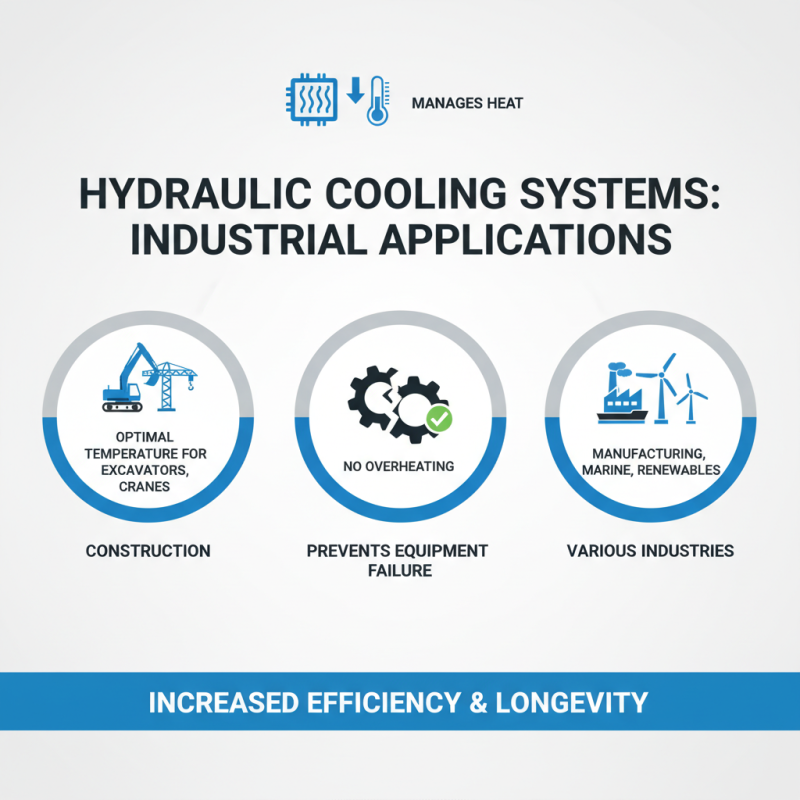
Hydraulic cooling systems play a crucial role in various industries. They manage heat generated by hydraulic machines. In construction, these systems maintain optimal temperature in machinery like excavators and cranes. Effective cooling prevents overheating, which can lead to equipment failure.
In manufacturing, hydraulic systems are essential for machining operations. These systems cool hydraulic fluids, ensuring smooth operation of presses and lathes. Without proper cooling, machines may slow down or stop due to excessive heat. The trade-off is that maintenance can be challenging. Regular checks are necessary to ensure the cooling systems function properly.
The agricultural sector benefits from hydraulic cooling as well. Tractors and harvesters rely on these systems to keep hydraulic components cool during long hours of work. High temperatures can impact productivity and efficiency. However, not all agricultural settings may prioritize proper cooling methods, which can result in unexpected breakdowns. This highlights the need for better awareness of the importance of hydraulic cooling systems in industry.