Why is Heat Exchanger Cost Important for Your Business Decision?
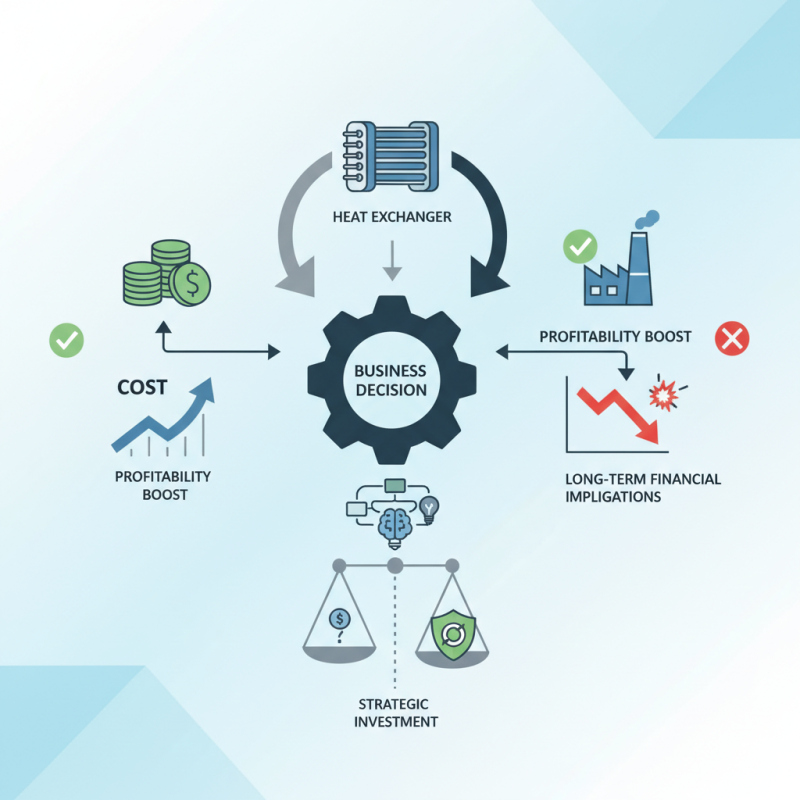
In today's competitive landscape, understanding Heat Exchanger Cost is crucial for business success. As industry expert Dr. Sarah Johnson states, "Cost-effective heat exchangers can significantly boost profitability." This insight highlights the importance of strategic investment in thermal management systems.
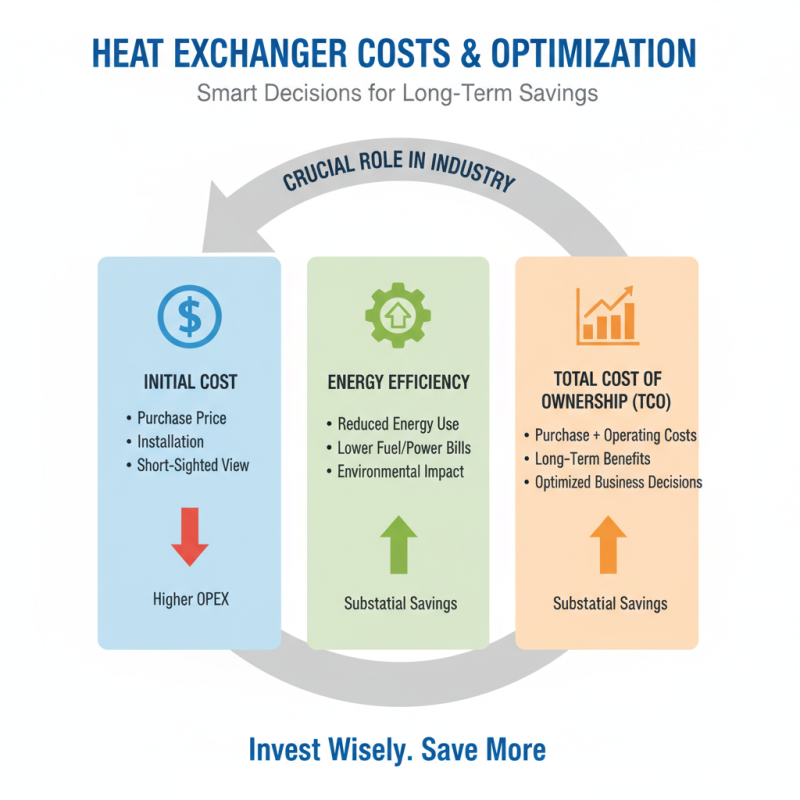
Every business decision needs careful evaluation of costs. The heat exchanger is a vital component in many industries, impacting efficiency and operational expenses. A small increase in Heat Exchanger Cost can lead to significant long-term financial implications. Choosing the right design and materials is essential, but many businesses overlook this during planning.
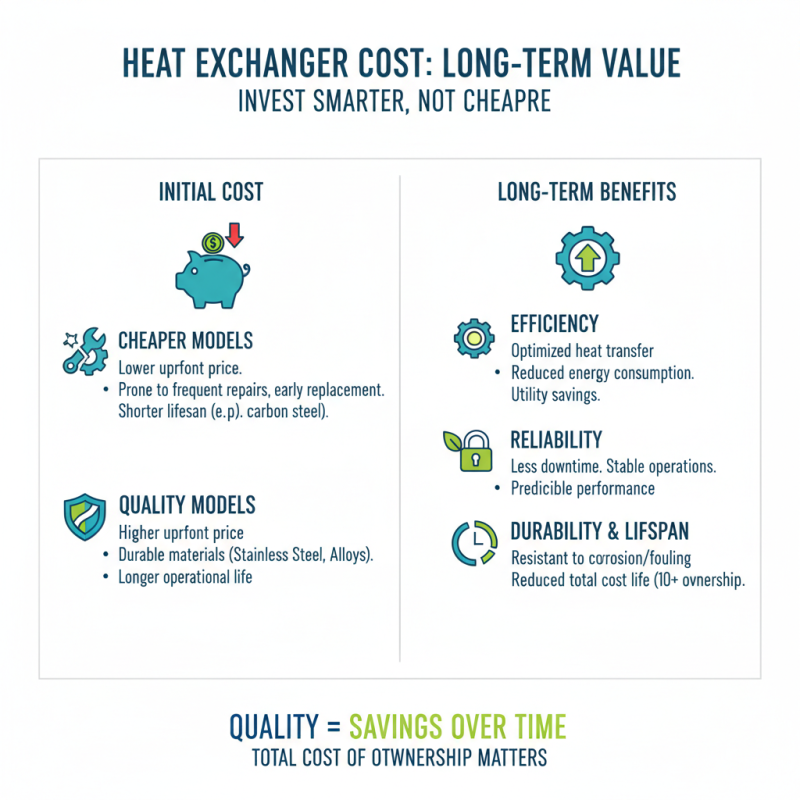
While cost is often the primary focus, it is also important to assess quality and performance. Some organizations may prioritize low-cost options, only to face higher maintenance expenses later. Reflecting on the long-term impact of Heat Exchanger Cost can prevent costly mistakes. Balancing budget constraints with quality is key to making sound business decisions.
Understanding the Impact of Heat Exchanger Costs on Business Operations
When evaluating a heat exchanger, consider its cost carefully. This decision affects overall business operations significantly. A high upfront expense could lead to unforeseen costs down the line, impacting your budget. Additionally, understanding maintenance costs and energy efficiency is crucial. These elements influence long-term savings and operational effectiveness.
Assess your options thoroughly. Gather quotes and analyze specifications. It's essential to compare different models. Look for energy-efficient designs that may have higher up-front costs but save money over time. Prioritize durability and material quality to avoid frequent replacements.
Tip: Always factor in installation costs. Sometimes, low-priced heat exchangers come with hidden expenses. An adequate installation plan can improve performance and longevity. Evaluate the whole lifecycle cost, not just initial purchase price. This will provide a clearer picture of potential financial impacts. Don't shy away from asking for advice from industry experts. They can offer insights that are sometimes overlooked.
Impact of Heat Exchanger Costs on Business Operations
This bar chart illustrates the average costs of different types of heat exchangers which can significantly influence business decisions regarding operational efficiencies and budget allocations.
Evaluating Return on Investment for Heat Exchangers in Your Industry
When considering heat exchangers for industrial applications, understanding the return on investment (ROI) is crucial. Companies often overlook the initial costs involved. However, the long-term savings can be significant. A well-designed heat exchanger can reduce energy consumption and lower operating costs. This is particularly important in industries with tight profit margins. Companies must evaluate how much they can save over time.
Choosing the right heat exchanger should be based on performance, durability, and efficiency. Investing in high-quality materials can lead to reduced maintenance costs. If a heat exchanger fails prematurely, the equipment downtime can be expensive. This unplanned expense often leads to losses that could have been avoided. Each industry has unique requirements. For example, food processing may need specific hygiene standards.
Calculating ROI is not only about numbers. It’s about analyzing how the heat exchanger fits into the broader business strategy. Companies need to consider the environmental impact as well. More efficient heat exchange can significantly reduce greenhouse emissions. However, manufacturers must also be aware of the potential trade-offs. Sometimes, lower upfront costs might lead to higher operational costs later.
Why is Heat Exchanger Cost Important for Your Business Decision?
| Industry |
Typical Cost per Unit ($) |
Average Lifespan (Years) |
Estimated Annual Maintenance Cost ($) |
Energy Efficiency Rating |
Projected ROI (%) |
| Chemical Processing |
15,000 |
15 |
1,200 |
85% |
20% |
| Food & Beverage |
20,000 |
10 |
800 |
90% |
25% |
| HVAC Systems |
12,000 |
12 |
600 |
95% |
15% |
| Pharmaceutical |
25,000 |
20 |
1,500 |
88% |
30% |
| Oil & Gas |
30,000 |
25 |
2,000 |
80% |
35% |
Long-Term Financial Benefits of Investing in Quality Heat Exchangers
Investing in quality heat exchangers offers significant long-term financial benefits for businesses. According to industry reports, companies can save up to 30% on energy costs by using high-efficiency heat exchangers. These devices maximize heat transfer, reducing the need for additional energy input. Efficient designs also lower wear and maintenance costs, extending the lifespan of the equipment.
Moreover, the initial cost of quality heat exchangers may seem high, but it's often a smart investment. For example, businesses that opt for durable materials often see a return on investment within two to three years. A study published by the Energy Department indicates that inferior heat exchangers can lead to over 16% waste in energy consumption annually. This emphasizes the hidden long-term costs of cheap alternatives.
Despite these advantages, companies sometimes hesitate. They fear upfront costs and disruption during installation. These concerns can cloud judgment and lead to missed opportunities for savings. A careful evaluation of expenses versus gains is crucial for informed decisions. Overlooking the impact of high-quality heat exchangers can result in lost savings and operational efficiency. Quality is not just a choice; it’s an investment in the future.