2026 How to Optimize Your Hydraulic Cooling System for Better Performance?
In modern industrial applications, the efficiency of your Hydraulic Cooling System directly impacts overall performance. An optimized system can reduce energy costs and enhance productivity. Cooling systems are critical for maintaining hydraulic fluid temperature, which affects equipment lifespan and functionality.
However, many operations overlook their hydraulic systems. Neglecting regular maintenance can lead to decreased efficiency and higher rates of failure. Understanding specific cooling needs based on operational demands is essential. For instance, environmental factors like ambient temperature and humidity also play a significant role.
In many cases, systems operate below their potential. This can be due to improperly sized components or outdated designs. A comprehensive review of your Hydraulic Cooling System can unveil opportunities for improvement. Addressing these areas can lead to better performance and reliability. Adjusting cooling methods may reveal surprising benefits for your operations.
Understanding the Basics of Hydraulic Cooling Systems
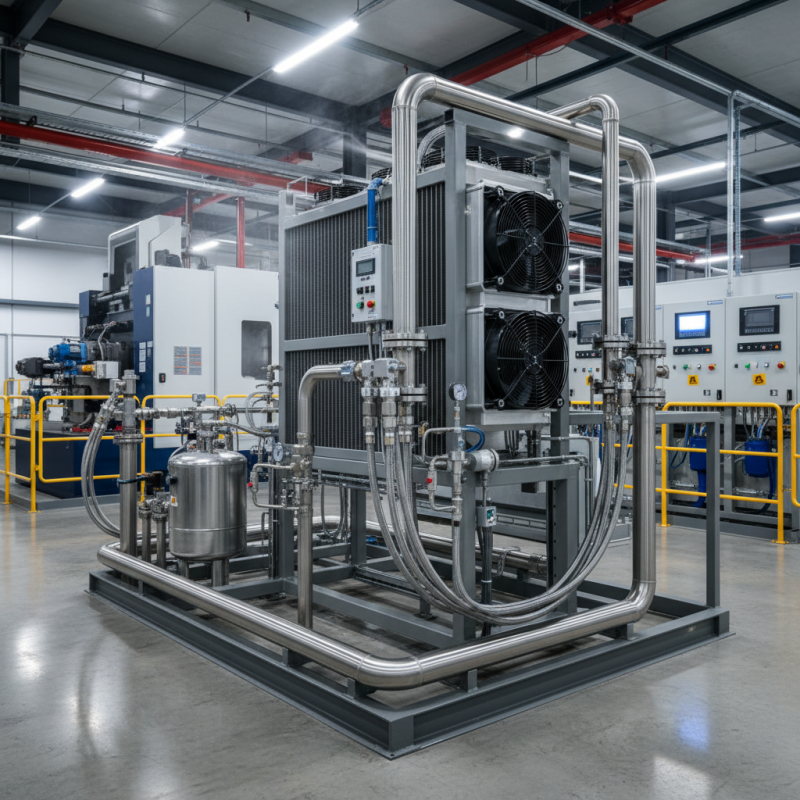
Hydraulic cooling systems play a crucial role in maintaining optimal performance in hydraulic machinery. They are designed to manage excess heat generated during operation. According to industry data, up to 70% of hydraulic system failures are linked to overheating. This emphasizes the importance of effective cooling solutions.
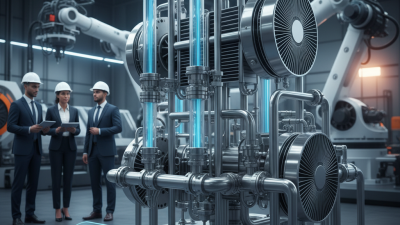
Traditional cooling methods often rely on ambient air or fluid-to-fluid techniques. However, these approaches can be inefficient. They may not dissipate heat effectively. A more refined method involves using advanced heat exchangers. Studies indicate that well-designed heat exchangers can improve thermal performance by up to 30%.
Regular maintenance is another aspect that deserves attention. Ignoring it can lead to accumulation of contaminants. This not only reduces cooling efficiency but also increases wear on components. Identifying potential issues, such as leaks or blockages, is essential. Monitoring system temperature and pressure can lead to valuable insights. Addressing these issues in a timely manner can significantly enhance system longevity.
Key Components and Their Functions in Hydraulic Cooling
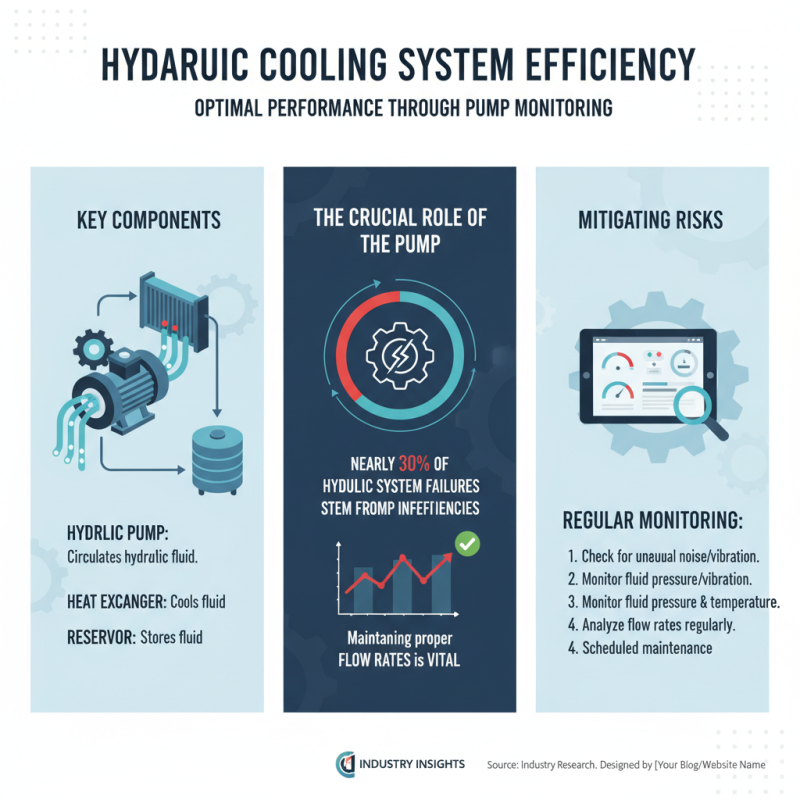
In a hydraulic cooling system, several components play crucial roles in ensuring optimal performance. The hydraulic pump is essential for circulating hydraulic fluid, maintaining flow rates vital for system operation. According to industry research, nearly 30% of hydraulic system failures stem from pump inefficiencies. Regular monitoring of pump conditions can mitigate these risks.
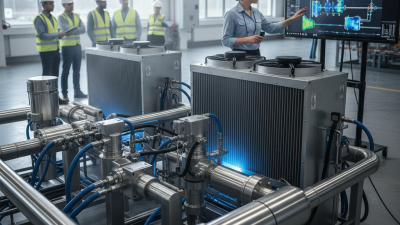
Heat exchangers are another key component. They remove excess heat from hydraulic fluids, preventing overheating. A study showed that maintaining fluid temperatures within 10°F of the optimal range improves system efficiency by up to 25%. However, corrosion or fouling can compromise their effectiveness. Regular maintenance checks are imperative.
Reservoirs are often overlooked but are vital for fluid storage and air pocket elimination. A poorly sized reservoir can lead to turbulence, affecting cooling efficiency. Data suggests that fluid level fluctuations can result in a 15% loss of hydraulic performance. Ensuring proper reservoir design is essential for an optimized hydraulic cooling strategy. Each component holds its weight, necessitating regular evaluation and adjustments for peak efficiency.
Strategies for Enhancing Cooling Efficiency in Systems
Effective hydraulic cooling systems are vital for optimal performance. Enhancing cooling efficiency can lead to significant improvements in functionality. One approach is to regularly clean heat exchangers and check for blockages. Debris can reduce airflow and cooling efficiency. It’s essential to inspect these components frequently. Pay attention to the buildup of dirt and contaminants.
Another strategy involves monitoring fluid levels and quality. An inadequate fluid supply can lead to overheating. Contaminated fluids can also impair the cooling process. Regular checks can help maintain the desired viscosity and reduce thermal stress. Implementing a routine schedule for these inspections can be beneficial.
Additionally, consider system layout and environmental factors. Placing cooling units in well-ventilated areas is essential. Poor placement may lead to heat accumulation. Reflect on how placement affects overall performance. Each small adjustment can lead to enhanced efficiency. Subtle changes, like adding insulation or relocating units, might yield better results.
Regular Maintenance Practices for Optimal Performance
Hydraulic cooling systems are vital for equipment performance. Regular maintenance is crucial for the longevity and efficiency of these systems. Start by inspecting fluid levels. Low fluid can lead to overheating. Check for leaks around hoses and connections. Even small leaks may cause significant efficiency losses.
Cleaning filters is another important step. Clogged filters restrict flow and increase pressure. Replace or clean them regularly to maintain optimal performance. Monitor temperature gauges to catch potential issues early. If temperatures rise unexpectedly, it could indicate a problem with the cooling system.
Don’t overlook the importance of conducting routine inspections. Visual checks for corrosion or wear can prevent bigger issues later. Adjustments may be needed over time. For instance, hose tension can change. Regularly reviewing and refreshing your maintenance practices will lead to better performance. Ensure that your hydraulic cooling system operates at its best.
Monitoring and Troubleshooting Common Cooling Issues
Monitoring and troubleshooting cooling issues in hydraulic systems is crucial for optimal performance. A recent industry report indicates that around 30% of hydraulic failures are linked to inadequate cooling. Factors like ambient temperature and system load can impact the cooling efficiency. Identifying these elements early can prevent costly downtime.
Regular inspections are vital. Check for blockages in the cooling lines. Dirt and debris can significantly reduce the flow of coolant. Visual cues such as discoloration or excessive wear might also signal problems. Interestingly, systems operating at temperatures above recommended levels can lose efficiency by as much as 15%. This is a critical insight that shouldn't be overlooked.
Unexpected leaks or pressure drops require immediate action. They can lead to overheating and system failures. Implementing a routine maintenance schedule can help address minor issues before they escalate. Ignoring these signs often results in bigger problems down the line. Awareness and proactive management are key for hydraulic system longevity.
2026 How to Optimize Your Hydraulic Cooling System for Better Performance? - Monitoring and Troubleshooting Common Cooling Issues
| Cooling Issue |
Symptoms |
Possible Causes |
Recommended Action |
| Overheating |
Unusual noise, reduced efficiency |
Insufficient coolant, pump failure |
Check coolant level, inspect pump functionality |
| Coolant Leaks |
Visible puddles, decreased fluid levels |
Damaged hoses, loose connections |
Inspect hoses and connections for damage |
| Poor Circulation |
High temperature readings, erratic operation |
Clogged filters, impaired pump |
Clean or replace filters, check pump operation |
| Corrosion |
Discoloration, flaky deposits |
Poor quality coolant, contamination |
Change coolant, ensure proper filtration |
| Inadequate Heat Transfer |
Inconsistent temperature control |
Dirty radiators, air in the system |
Clean radiators, bleed air from the system |