Top Industrial Radiators Manufacturers and Suppliers
Industrial Radiators support reliable temperature control in factories, power stations, transport equipment, and heavy machinery. Their role is simple but demanding: remove heat continuously, even when dust, vibration, pressure, and fluctuating loads challenge performance.
Market data shows why supplier selection deserves closer attention. MarketsandMarkets estimated the global heat exchanger market at approximately USD 19.4 billion in 2023, with projected growth to USD 27.5 billion by 2028. Industrial radiators represent only part of this wider category. Therefore, broader market figures should not be treated as exact radiator sales. That distinction matters.
Frank P. Incropera, a leading heat-transfer scholar and co-author of Fundamentals of Heat and Mass Transfer, stated, “The temperature difference is the driving force for heat transfer.” His principle remains practical. A radiator with blocked fins, poor airflow, or unsuitable coolant cannot perform well, regardless of its advertised capacity.
This guide examines top Industrial Radiators manufacturers and suppliers through measurable criteria. These include thermal output, core construction, material quality, pressure testing, corrosion resistance, customization, warranty support, and documented field experience. Reports from Grand View Research and Fortune Business Insights also identify expanding demand for industrial heat-management equipment, especially in energy, manufacturing, and commercial vehicles.
Numbers can mislead.
A credible supplier should explain testing conditions, not only publish impressive specifications. Buyers should also compare fin density, tube design, operating temperature, maintenance access, and replacement lead times. No ranking is perfect. Application conditions vary sharply. A radiator that performs well beside a clean generator may struggle in a dusty steel plant. This outline focuses on suppliers that combine engineering evidence with dependable service.
Industrial Radiators: Purpose, Design, and Main Applications
Industrial Radiators: Purpose, Design, and Main Applications
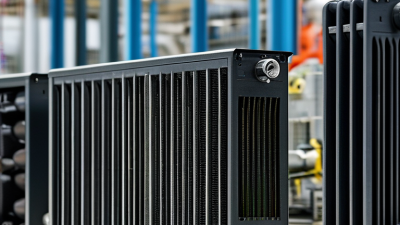
Industrial radiators remove heat from engines, generators, compressors, and hydraulic systems. They transfer coolant heat into surrounding air. A typical unit contains tubes, fins, headers, a fan, and a protective shroud. Coolant moves through the tubes while airflow crosses the fin surface. This process keeps operating temperatures within safe limits. In dusty plants, blocked fins can reduce airflow quickly. Small details matter.
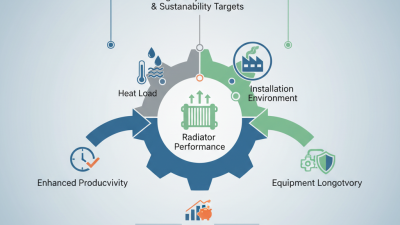
Design begins with heat load, coolant chemistry, ambient temperature, altitude, noise limits, and available space. Aluminum offers low weight and good heat transfer. Steel may provide greater structural strength in harsh environments. Tube spacing and fin density also affect cleaning and pressure loss. More fins do not always improve performance. They can trap dust. A specification may look complete yet miss service access or seasonal temperature changes. Engineers should request drawings, pressure-test records, material details, and maintenance guidance from suppliers.
Industrial radiators serve construction equipment, mining machines, standby generators, agricultural systems, marine engines, and factory cooling units. Remote installations often need simple access for cleaning and fan inspection. Power rooms may require low-noise airflow and reliable emergency operation. In corrosive areas, coating selection deserves careful review. Even experienced teams can underestimate vibration. Flexible mounts and reinforced connections can prevent premature leaks. A practical inspection may reveal loose fasteners, bent fins, or coolant stains before failure occurs.
Industrial Radiators: Purpose, Design, and Main Applications
Industrial radiators remove excess heat from engines, hydraulic systems, compressors, and generators. The chart shows representative coolant or oil operating-temperature ranges commonly used when selecting radiator materials, airflow capacity, core size, and fan performance. Actual values vary by equipment design and duty cycle.
Types of Industrial Radiators and Their Operating Characteristics
Industrial radiators transfer heat from engines, hydraulic systems, compressors, and process equipment. Their design affects temperature control, energy use, and maintenance intervals. Air-cooled radiators use fans to move air across finned tubes. They work well where water is limited, but dust can block the fins. Performance also drops in hot environments.
Water-cooled radiators provide stronger heat transfer through a liquid circuit. They suit heavy machinery and continuous industrial operation. However, poor water quality may cause scaling, corrosion, or blocked passages. Oil coolers remove heat from hydraulic and lubrication systems. They usually operate under pressure, so seals and connections require careful inspection. Small leaks matter.
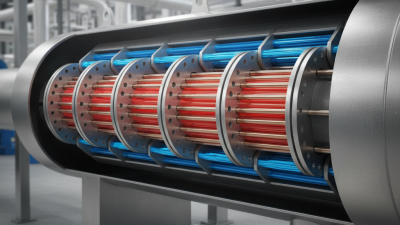
Plate-fin and shell-and-tube radiators handle different flow rates and temperature ranges. Plate-fin units are compact and lightweight. Shell-and-tube designs are more tolerant of demanding industrial conditions. In field inspections, I check airflow, fin damage, vibration, fluid discoloration, and pressure changes. A radiator can look clean and still underperform. This is where routine measurement helps.
Manufacturers and suppliers should provide verified thermal data, material specifications, pressure ratings, and maintenance guidance. Buyers should compare the radiator’s duty cycle with actual operating conditions. A unit selected only by size may fail during peak loads. I have seen this mistake in otherwise well-designed systems. Humidity, dust, altitude, and seasonal temperature changes deserve attention. Good selection is practical, but never perfectly predictable.
Key Factors for Evaluating Radiator Manufacturers and Suppliers
Top Industrial Radiators Manufacturers and Suppliers
Choosing an industrial radiator manufacturer requires more than comparing prices. In field inspections, small design details often determine long-term cooling performance. Check the radiator’s core material, tube construction, fin density, and rated operating temperature. These specifications should match your engine, generator, compressor, or hydraulic system.
A reliable supplier provides clear drawings, pressure-test records, material certificates, and traceable production data. Ask how each unit is tested before shipment. A serious manufacturer should explain leak testing, vibration resistance, corrosion protection, and cleaning requirements. Delivery capability also matters. Confirm production capacity, spare-part availability, packaging quality, and realistic lead times. A polished catalog can still hide weak engineering support. I have learned that fast replies do not always mean dependable service.
Tips:
Request one sample radiator before placing a large order. Compare its dimensions, weld quality, fin alignment, and surface coating under direct light. Ask for references from similar operating environments, not only general customer reviews. Check the warranty wording carefully, especially exclusions related to coolant quality, pressure, and installation. Avoid suppliers that provide vague performance figures or refuse technical questions. Good documentation reduces mistakes during installation. It also makes future maintenance easier. The cheapest quotation may become expensive after repeated leaks, delayed parts, or poor fitment. Evaluation should remain practical, evidence-based, and slightly skeptical.
Leading Industrial Radiator Manufacturers by Product Specialization
Industrial radiator manufacturers differ sharply by product specialization.
Heavy-duty engine radiators support generators, construction equipment, and mining vehicles. Their designs prioritize vibration resistance, high airflow, and easy cleaning. Hydraulic oil coolers manage heat in compact power systems. They often use stacked plates or brazed aluminum cores for efficient transfer.
Charge-air coolers focus on lowering compressed air temperatures before combustion.
Their performance depends on pressure drop, fin design, and hose connections. Process radiators handle demanding factory environments. Stainless steel construction may suit corrosive fluids, while copper alloys can improve thermal conductivity. The correct supplier should explain these choices clearly.
Real operating experience matters.
I have seen a radiator selected by catalog dimensions fail because airflow was restricted. The numbers looked right. The installation was wrong. Suppliers with engineering teams can review ambient temperature, fluid type, fan capacity, and mounting space before production. They should also provide pressure testing, material records, and service guidance. Weld quality deserves close attention. So does fin spacing. Narrow fins collect dust quickly in cement or agricultural facilities.
Customization is useful, but not always economical.
A standard core may perform better than an untested custom design. This is where technical judgment matters. Reliable manufacturers document test methods and communicate limitations. Their claims should match field conditions, not only laboratory results. A careful buyer also checks replacement access, cleaning requirements, and expected operating hours before choosing a specialized industrial radiator.
How to Select, Purchase, and Maintain Industrial Radiators
Selecting, Purchasing, and Maintaining Industrial Radiators
Selecting an industrial radiator starts with accurate operating data, not catalog images. Record the engine or machine’s heat load, fluid type, flow rate, ambient temperature, and available installation space. Consider dust, vibration, corrosion, and altitude. A radiator suitable for a clean workshop may fail quickly in a dusty processing area. Check core material, tube construction, fin spacing, pressure rating, and connection sizes. Wider fin spacing often helps reduce blockage, but it can affect heat transfer. In practice, the first estimate is not always right. Leave a reasonable capacity margin, then confirm calculations with a qualified supplier.
Tips: Request performance curves, material specifications, inspection records, and pressure-test results before purchasing. Ask whether replacement parts will remain available. Confirm delivery dates and packaging requirements. Do not trust promises alone.
During installation, keep airflow paths clear and support the radiator against vibration. Use compatible coolant and follow the recommended concentration. Inspect hoses, clamps, seals, and mounting points regularly. Clean fins with controlled air or low-pressure water, moving from the cleaner side outward. High-pressure cleaning can bend fins and reduce performance. Monitor coolant temperature, pressure, and visible leaks during operation. A small temperature increase may indicate blocked fins, poor airflow, or internal scaling. Maintenance logs should include dates, readings, cleaning actions, and replaced parts. They make recurring problems easier to identify, though logs are often incomplete when production becomes busy.